
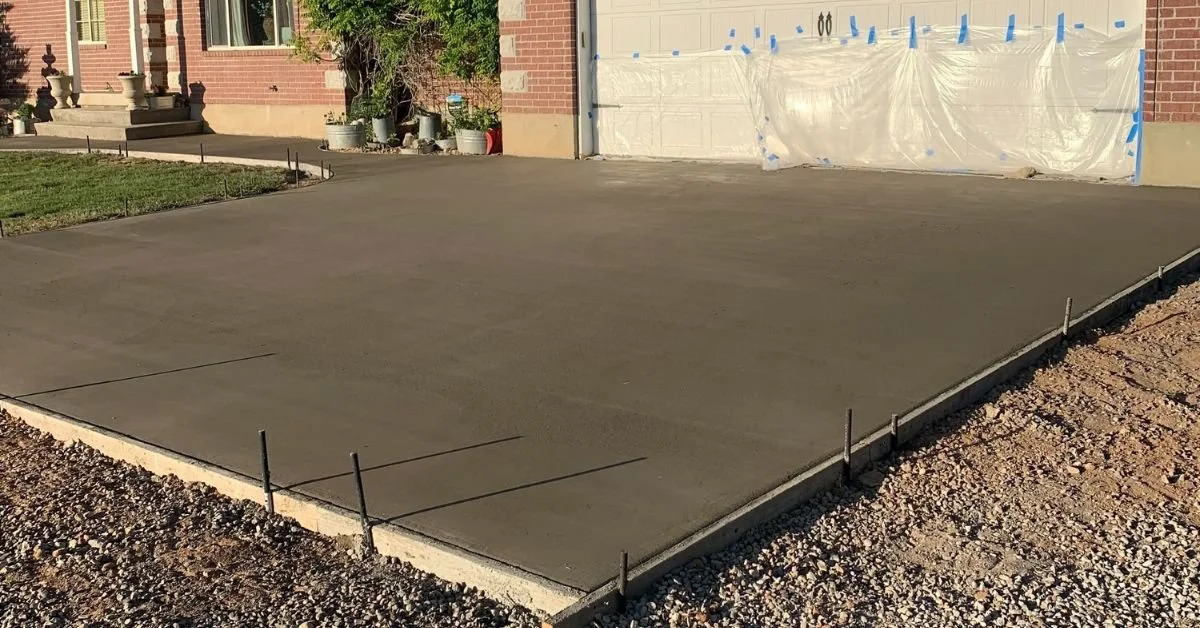
How To Maintain Concrete Flatwork Through the Seasons
Freezing temperatures and chemical exposure damage exterior surfaces. Implement these maintenance protocols to protect your driveway and patio year-round.
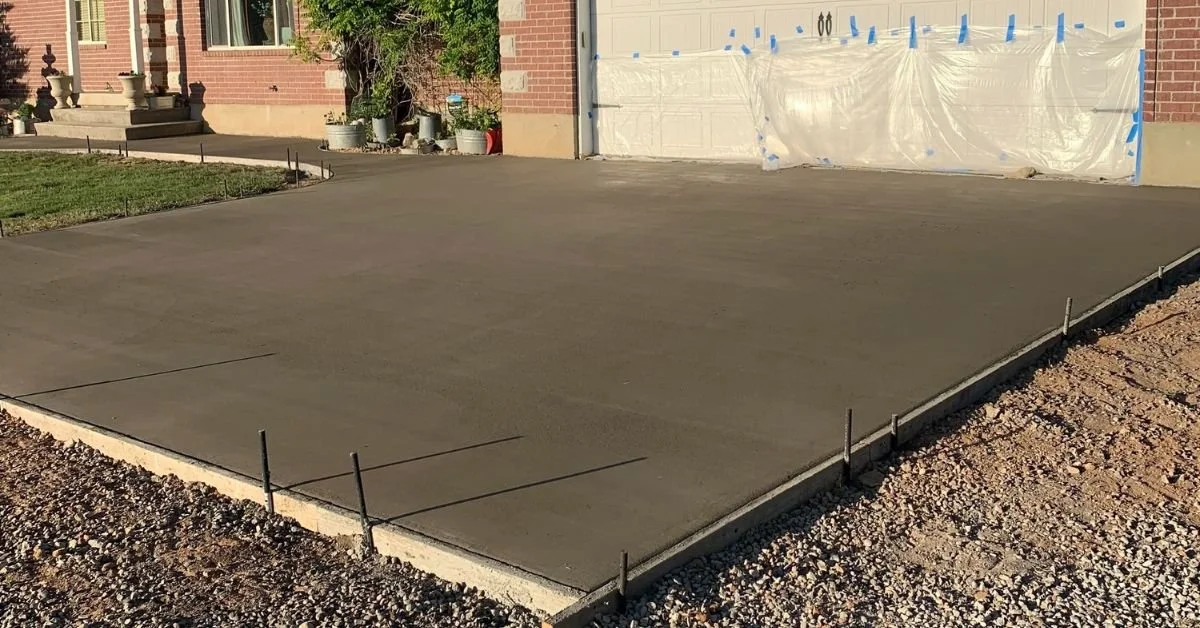
Concrete is a durable material for driveways, patios, and walkways, but it requires consistent maintenance to withstand environmental stressors. Temperature fluctuations, moisture intrusion, and chemical exposure all threaten structural integrity over time.
Property owners who understand how to maintain concrete flatwork through the seasons protect their investment and extend the lifespan of their exterior surfaces. Neglecting these maintenance protocols leads to cracking, spalling, and surface discoloration, necessitating costly repairs or complete replacement.
The Science of Concrete Vulnerability
Concrete is porous with tiny capillaries that absorb water and chemicals. When frozen, moisture expands by about 9%, creating internal pressure that can cause micro-cracks if it exceeds the tensile strength. Repeated freeze-thaw cycles expand these cracks, leading to surface scaling and structural weakness.
Chemicals also threaten concrete by reacting with hydrated cement, altering its composition and weakening the matrix. Recognizing these vulnerabilities is vital for proactive seasonal maintenance.
Winter Damage Mitigation Strategies
Winter presents the harshest conditions for exterior flatwork. The combination of freezing temperatures and ice removal practices causes most concrete deterioration.
Avoiding Harmful Deicing Chemicals
Many property owners apply chemical deicers to melt ice and improve traction. However, specific chemicals aggressively attack concrete. Research indicates that calcium chloride and magnesium chloride cause significant damage. These chemicals react with calcium hydroxide in the concrete to form calcium oxychloride, an expansive crystalline compound. As these crystals grow within the pores, they shatter the concrete from the inside out.
Ammonium nitrate and ammonium sulfate, frequently found in fertilizers, also attack the cement paste and cause rapid disintegration. Even sodium chloride (rock salt) increases the number of freeze-thaw cycles by temporarily melting ice, which then refreezes as temperatures drop further.
Prioritize mechanical removal of snow and ice. Shoveling or plowing immediately after a storm prevents ice from bonding to the pavement. For traction, spread sand or kitty litter. These materials provide grip without initiating harmful chemical reactions. If a chemical deicer is necessary, verify that the product contains no chlorides, ammonium, or sulfates.
Preventing Critical Saturation
Concrete is most susceptible to damage when it reaches critical saturation—a state in which the pores hold nearly their maximum water capacity. Deicing salts attract moisture, keeping the concrete wetter than it would be otherwise. This increased saturation amplifies freeze-thaw damage. Keeping the surface free of snow accumulation reduces the moisture load. Improving drainage around the slab prevents water from pooling and saturating the concrete from the sides or below.
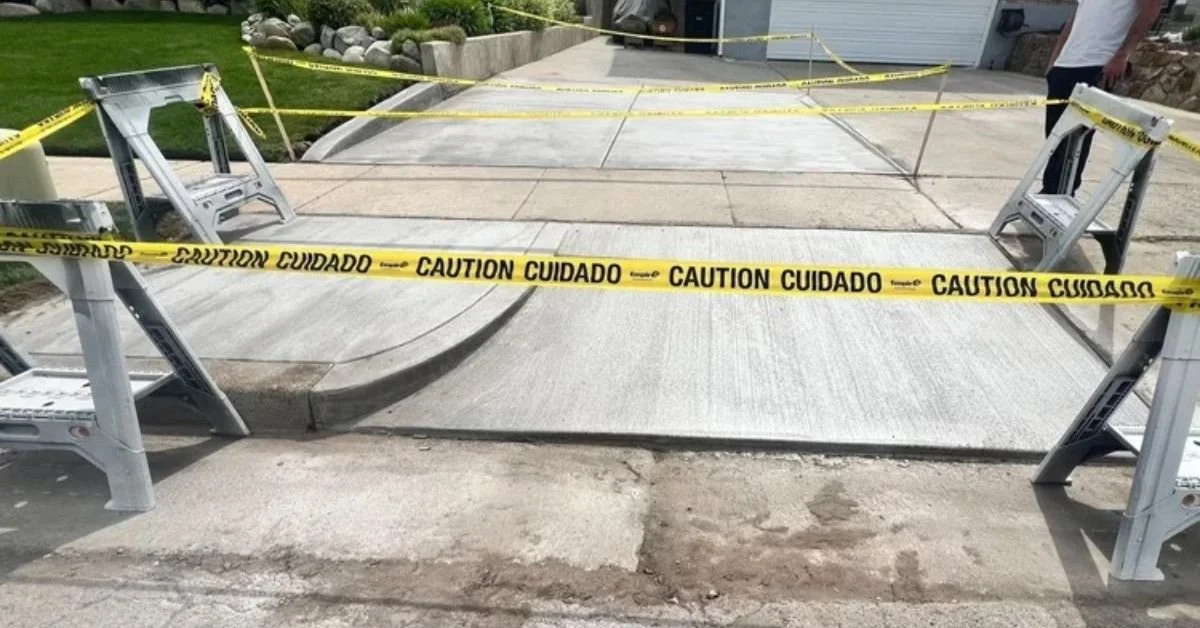
Spring Cleaning and Assessment
As temperatures rise, the focus shifts to removing winter residues and evaluating the surface conditions.
Removing Chemical Residues
Even if you avoid deicers, vehicles track road salts onto driveways, which stay in the pores and attract moisture. Rinse concrete surfaces thoroughly with a garden hose or pressure washer on low, directing water to remove debris and sediments. Focus on low spots where salt concentrations are highest.
Inspecting for Surface Defects
Conduct a close visual inspection of the flatwork. Look for new cracks, signs of spalling (flaking surface), or areas that appear dusted or pitted. Catching these issues early allows for minor repairs before they escalate into major structural failures.
Identifying the source of the damage is equally important. If spalling appears where car tires rest, road salts likely caused the issue. If cracks appear near the edge, soil settlement or drainage problems might be responsible.
Addressing Fertilizer Risks
Spring marks the beginning of lawn care season. Fertilizers containing ammonium nitrate or ammonium sulfate pose a threat to concrete similar to deicers. When spreading fertilizer, prevent granules from landing on the driveway or sidewalk.
If stray granules land on the concrete, sweep them up immediately. Do not wash them into the concrete with water, as this dissolves the chemicals and carries them into the pores.
Summer Preservation and Stain Management
Summer brings heat and increased usage of outdoor spaces. Maintenance during these months focuses on protecting the surface from staining and managing moisture fluctuations.
Managing Oil and Grease Stains
Driveways experience heavier traffic during the summer. Leaking fluids from vehicles penetrate porous concrete quickly. Oil and grease stains not only mar the appearance but also interfere with the application of sealers later in the year.
Treat spills immediately. Absorb fresh oil with kitty litter or sawdust. For set-in stains, apply a commercial degreaser or a poultice formulated to remove oil from the concrete pores. Scrub the area vigorously and rinse thoroughly.
Controlling Vegetation Growth
Weeds and grass growing in expansion joints or cracks exert outward pressure as their root systems expand. This pressure widens existing cracks and creates new ones. Remove vegetation systematically. Apply an herbicide to kill the roots or manually remove the plants. Once cleared, filling these joints with a flexible sealant prevents water ingress and blocks future plant growth.
Fall Preparation Procedures
Fall maintenance determines how well the concrete withstands the coming winter. This season requires the most intensive preparation efforts.
Clearing Organic Debris
Falling leaves and pine needles accumulate on flatwork. When wet, this organic matter traps moisture against the concrete surface for prolonged periods. The decaying leaves also release weak acids that stain the surface and etch the cement paste. Sweep driveways and patios frequently. Keep gutters and downspouts clear to prevent overflow that can dump concentrated water onto concrete walkways.
Evaluating Joint Sealants
Expansion joints allow concrete slabs to move with temperature changes. The flexible sealant in these joints deteriorates over time due to UV exposure and weathering. Inspect the sealant for tears, separation from the concrete, or brittleness. Remove damaged sealant and replace it with a high-quality, flexible polyurethane caulk. This barrier stops water from flowing beneath the slab, where it can freeze and heave the concrete or erode the sub-base.
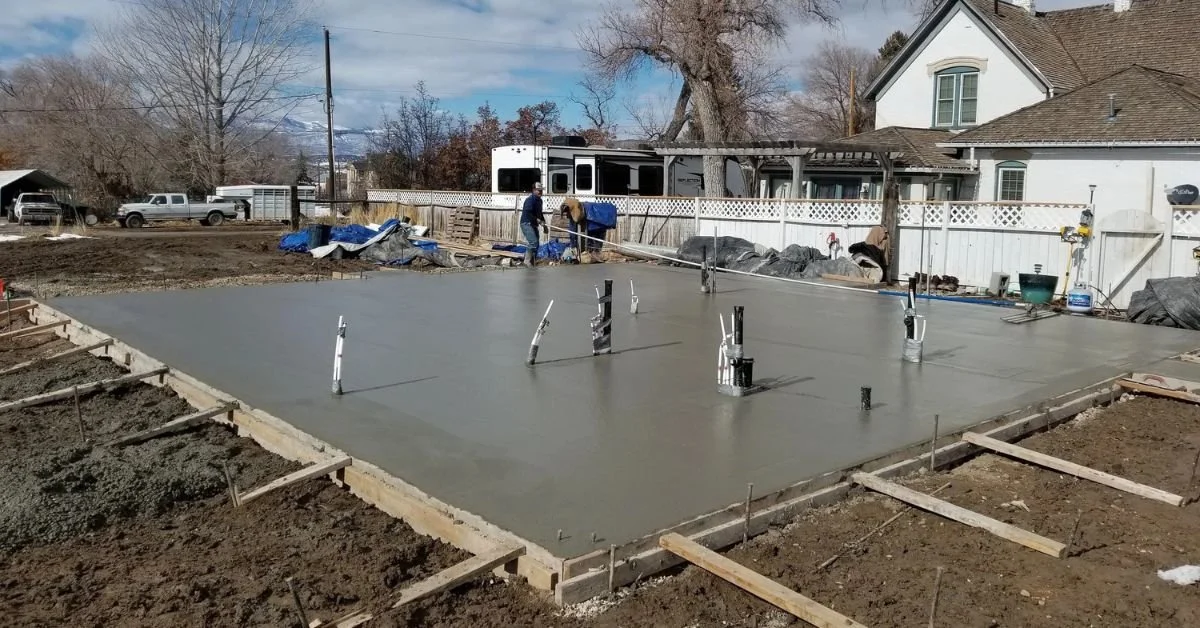
The Role of Penetrating Sealers
Sealing protects against moisture and chemicals. Unlike film sealers, penetrating sealers bond with concrete by entering capillaries. Silane and siloxane sealers are ideal for exterior flatwork, making concrete water-repellent and breathable, which prevents moisture buildup. Reapply every two to three years.
Application Timing
Apply sealers when concrete is clean and dry. Keep temperatures between 50°F and 90°F for proper curing, with fall ideal for sealing. The sealer reduces water absorption during winter freeze-thaw cycles. Follow manufacturer's instructions for application and drying.
Drainage and Water Management
Water management fundamentally dictates concrete longevity. Even the strongest concrete fails if water undermines the sub-base.
Grading and Slope Verification
Concrete flatwork should slope away from structures and toward drainage areas. Over time, soil settlement can alter this slope, causing water to pool. If pooling occurs, consider mudjacking or grinding to restore positive drainage.
Downspout and Landscape Management
Verify that downspouts direct water at least five feet away from concrete slabs. Water pouring directly from a roof or downspout erodes the soil supporting the concrete edge. Adjust landscaping to prevent irrigation runoff from flowing across the concrete. Constant wetting and drying cycles accelerate surface wear and increase the mineral deposits that cause unsightly efflorescence.
Securing Long-Term Durability
Consistent maintenance preserves the functionality and aesthetic appeal of exterior concrete. By understanding the chemical and physical threats posed by weather and contaminants, property owners can implement effective preservation strategies. Avoiding harmful salts, sealing surfaces regularly, and managing water flow form the pillars of a robust maintenance plan. Those who learn how to maintain concrete flatwork through the seasons avoid the frustration of premature deterioration.
For homeowners facing extensive damage or seeking professional sealing services, consulting with residential construction contractors provides access to specialized expertise. Corona Construction LLC delivers comprehensive assessments and repair services to restore the integrity of your concrete surfaces. Contact our team today to schedule an evaluation and safeguard your property against the elements.
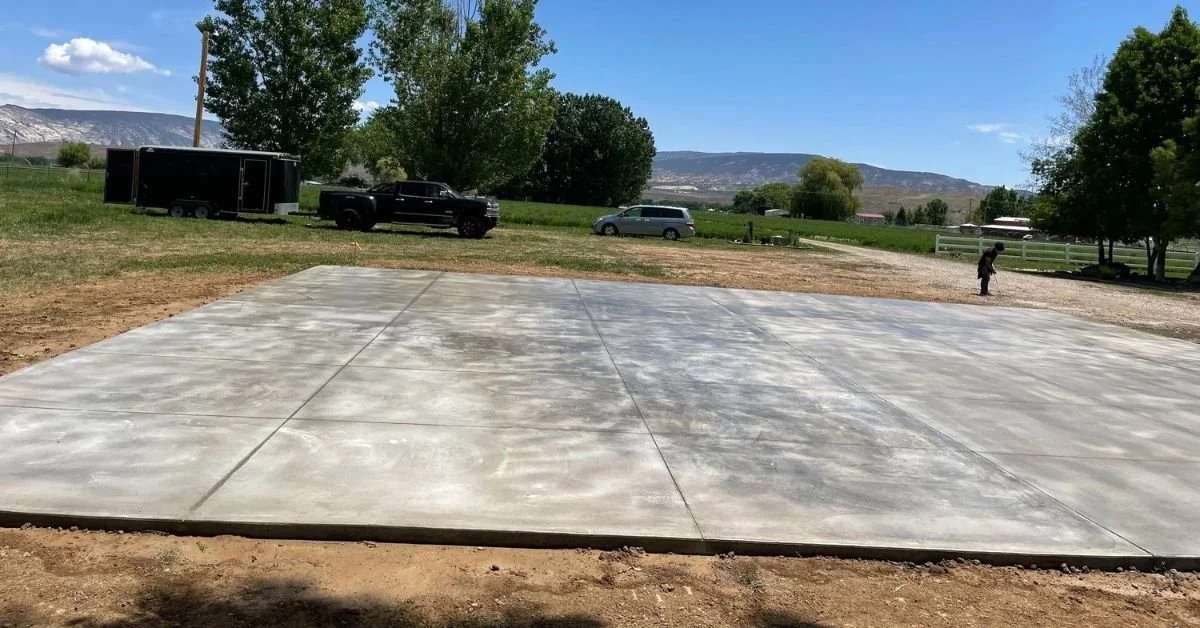
Why Proper Excavation Is Critical for Foundation Stability
Proper excavation prevents settlement and structural damage. Understand how soil mechanics, frost depth, and compaction affect foundation stability.
Every structure relies on the ground beneath it. If the earth shifts, settles unevenly, or fails to drain properly, the building above suffers. Cracks appear in drywall, doors stick in their frames, and concrete slabs fracture. These issues often trace back to the initial site work. Understanding why proper excavation is critical for foundation stability depends on soil mechanics and precise preparation.
Excavation involves more than digging a hole. It requires analyzing soil composition, managing water tables, and compacting layers to support heavy loads. When crews rush this stage or ignore best practices, the foundation's integrity is compromised before the concrete even pours.
Understanding Soil Mechanics and Load Bearing
The soil must support the entire structure. Different soil types react differently to pressure and moisture. Clay expands when wet and shrinks when dry, while sand drains well but can shift if not contained.
Identifying Soil Types
Before breaking ground, builders assess the site conditions. This assessment determines the excavation depth and the reinforcement required for the foundation.
Granular Soils: Gravel and sand provide excellent drainage and stability. They resist compression better than other types.
Cohesive Soils: Clay and silt bind together. They retain water, which creates stability challenges during freeze-thaw cycles.
Organic Soils: Peat and loam are composed of decaying plant matter. These soils compress easily and generally require removal and replacement with engineered fill.
Excavators remove topsoil and organic matter to reach undisturbed, inorganic earth. Building codes, such as the International Residential Code (IRC) Section R403.1, mandate that footings rest on undisturbed natural soils or engineered fill. This requirement prevents the foundation from settling into pockets of soft, decomposing material.
Compaction Requirements
Loose soil contains air gaps. Over time, a building's weight forces the air out, causing the ground to sink. Controlled compaction eliminates these voids. Crews use vibrating plate compactors or heavy rollers to densify the soil layers.
If excavation disturbs soil below the footing level, workers must restore the soil density. Improper compaction leads to differential settlement, where one part of the house sinks faster than another. This uneven movement causes concrete footings to snap and leads to structural failure.
Managing Water and Drainage Issues
Water destroys foundations. Effective excavation includes grading and trenching strategies to direct water away from the structure. If water pools around the footing, it softens the supporting soil. In freezing climates, this water freezes and expands, lifting the building in a process known as frost heave.
Frost Depth Considerations
Excavation depth should consider the local frost line, the deepest ground point where groundwater freezes. IRC Section R403.1.4 mandates exterior footings extend at least 12 inches below undisturbed ground and beneath the frost line. Ignoring frost depth causes soil expansion that cracks concrete. To avoid this, excavators dig trenches in thermally stable soil to protect the structure from ground movement.
Grading for Positive Drainage
The excavation plan is designed to shed water, with the ground sloping away from the foundation at a minimum grade. This prevents rain and snowmelt from infiltrating the backfill area adjacent to the basement or crawlspace walls. Proper grading works with subsurface drainage systems.
Excavators install perimeter drains, often referred to as French drains, at the footing level to collect groundwater and convey it to a sump pump or daylight outlet. Without precise trenching, water pressure builds against the foundation, causing leaks and instability.
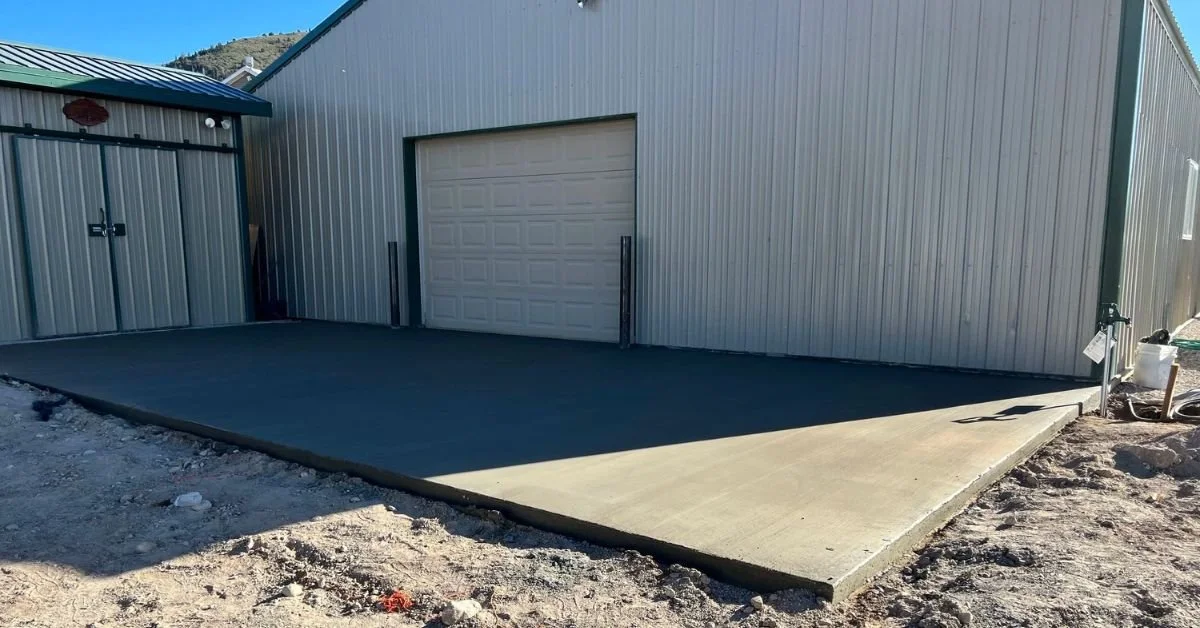
Preventing Over-Excavation and Soil Disturbance
Precision matters in the trenches. Digging too deep or too wide creates unnecessary problems. Over-excavation requires the builder to bring in expensive engineered fill or pour extra concrete to reach the required elevation.
The Risks of Disturbed Soil
When a bucket tooth breaks the soil surface, the soil's natural compaction is compromised. Digging six inches too deep and refilling with loose dirt will cause the fill to compact over time, causing the footing to drop.
Skilled operators leave the last few inches of excavation for careful removal, preventing soil loosening at the bearing level. If errors occur, the only safe fixes involve compacting engineered fill in thin layers or extending the concrete footing to reach the undisturbed soil.
Trench Safety and Stability
A stable excavation protects the workers and the future foundation. Trenches can collapse without warning. OSHA Standard 1926 Subpart P mandates protective systems for excavations five feet or deeper.
While these measures primarily ensure worker safety, they also prevent the trench walls from crumbling into the footing area. Loose debris falling into the forms contaminates the concrete and weakens the bond between the concrete and the forms.
Backfilling and Final Grading
The excavation process continues after the concrete cures. Backfilling involves placing soil around the foundation walls to bring the site to the final grade. Doing this incorrectly damages the new walls.
Timing and Material Selection
Concrete needs time to reach full strength. Backfilling too soon puts lateral pressure on the walls before they can resist it, causing cracks or bowing. The material used for backfill matters as much as the timing.
Using heavy clay or rocks against the wall damages waterproofing membranes. Granular, free-draining material works best. It allows water to flow down to the perimeter drain rather than pressing against the concrete.
Lifts and Compaction
Workers place backfill in layers, or lifts. They compact each lift before adding the next. If they dump all the dirt in at once, the bottom layers remain loose. This loose soil settles over the first few years, creating a depression along the foundation. This depression traps surface water against the house, restarting the cycle of water damage.
Careful compaction protects the waterproofing system. Operators keep heavy machinery a safe distance from the curing walls to prevent structural damage from vibration and weight.
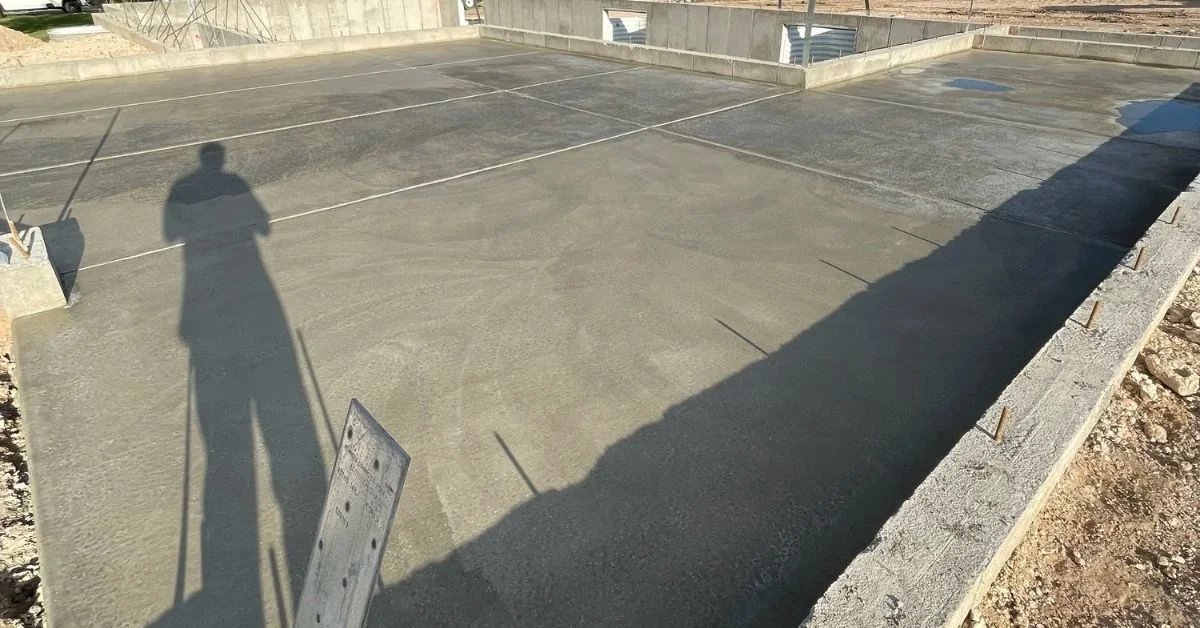
Integrating Utilities and Site Access
Excavation coordinates the placement of underground utilities. Sewer lines, water mains, and electrical conduits enter the home through the foundation or under the footings.
Trenching for Utilities
Utility trenches must not undermine the foundation. If a plumber digs a trench parallel to the footing and deeper than the footing's bearing level, the soil supporting the house might slide into the utility trench.
Excavators follow the 45-degree rule of thumb: utility trenches should not encroach within a line extending down at a 45-degree angle from the bottom edge of the footing. Proper planning prevents these conflicts and maintains the soil support zone.
Access for Heavy Equipment
The site needs to support concrete mixers and pump trucks. Excavators create stable access roads and staging areas. If the ground is too soft, heavy trucks get stuck or rut the soil deeply, creating mud pits that complicate the entire build. Stabilizing the site access early keeps the project on schedule and prevents damage to the surrounding landscape.
Building on Solid Ground
A building stands only as long as its foundation holds. The longevity of that foundation depends entirely on the preparation of the earth beneath it. The importance of proper excavation for foundation stability is evident in every crack-free wall and level floor.
For homeowners and builders alike, investing in precise site preparation prevents catastrophic failures. When the ground is prepared correctly, the concrete performs as designed. For those seeking reliable results, hiring experienced concrete foundation contractors ensures the excavation complies with all structural and safety standards. Secure the future of your project by prioritizing the work that happens before the first yard of concrete arrives.
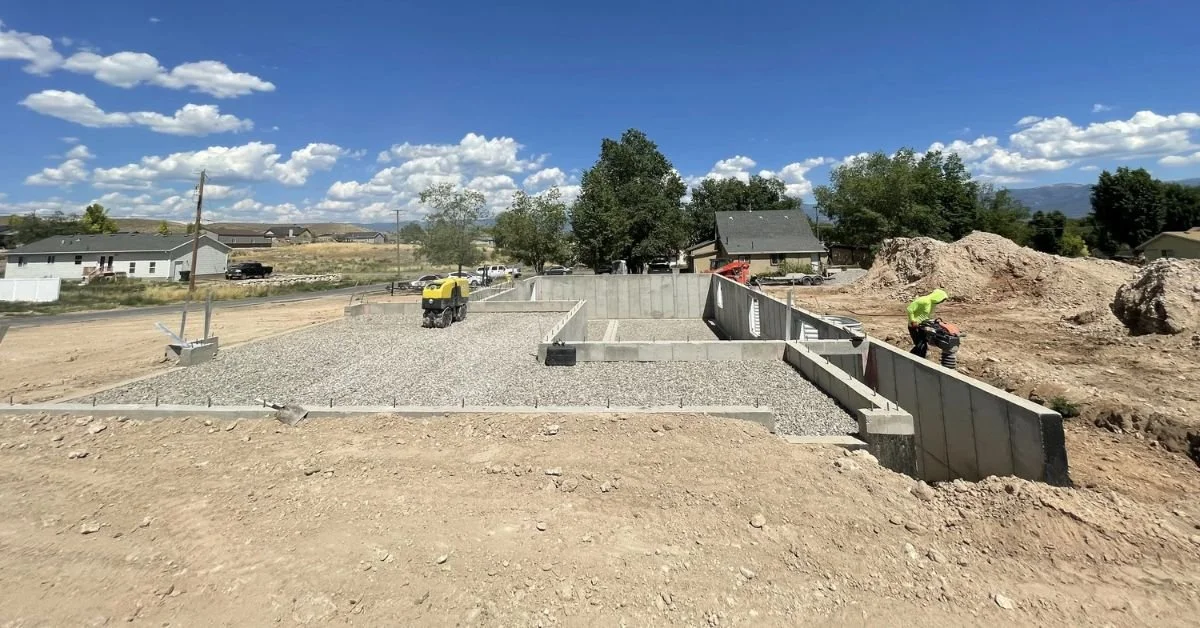
Why Proper Site Grading Matters Before Pouring Concrete
Prevent cracks and drainage issues. Discover why grading is the most critical step before pouring concrete for long-lasting results.
A concrete structure is only as strong as the ground it rests on. While the quality of the cement mix and the skill of the finishers influence the final appearance, the true longevity of any concrete project depends on thorough site preparation. Before the first truck arrives to pour, meticulous grading is essential to ensure stability, proper drainage, and structural integrity.
Site grading involves reshaping the landscape to meet specific engineering needs. This process creates a level base or intentional slopes by moving soil from high to low areas. Skipping this critical step can lead to future problems, ranging from minor cracks to significant structural failure. For property owners and project managers, prioritizing proper site grading before pouring concrete is key to protecting long-term investments.
Ensures Proper Drainage Away From Structures
Water is one of the leading causes of concrete damage. Without proper grading, water can collect around the concrete or flow underneath it. Standing water near the edges of a slab weakens the soil's load-bearing capacity and allows moisture to seep into the concrete. Over time, this can compromise the slab’s strength, causing issues such as spalling and deterioration.
Effective grading directs water away from the slab, preventing these issues. Most industry standards recommend a slope of at least six inches over the first ten feet away from a foundation. This positive drainage prevents hydrostatic pressure from building against the concrete and protects its integrity for years to come.
Prevents Soil Erosion Under the Slab
Erosion poses a hidden threat to concrete structures. If the ground slopes towards the concrete rather than away, heavy rains can wash away the supporting soil. This creates voids between the ground and the slab, leaving the concrete unsupported in certain areas. Since concrete has high compressive strength but low tensile strength, it cannot hold its own weight over empty spaces, leading to cracks or collapse.
Proper site grading before pouring concrete stabilizes both the topsoil and subsoil, ensuring rainwater flows in a controlled direction without disrupting the sediment that supports the structure. This step is critical to maintaining the durability and safety of any concrete installation.
Provides a Uniform Base for Consistent Thickness
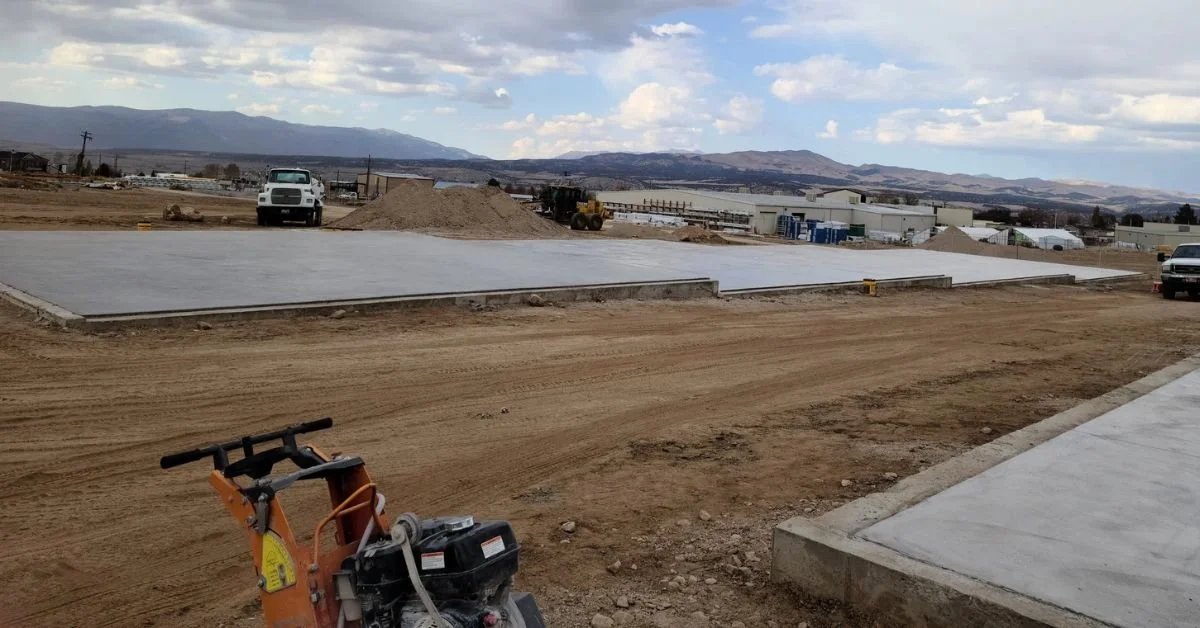
Even ground is essential for a successful concrete pour. Uneven subgrades lead to slabs with inconsistent thickness, which causes differential curing. When one part of a slab cures faster than another, internal stress builds up, often resulting in surface cracks.
Grading eliminates unevenness, allowing for uniform thickness throughout the project. This ensures that the slab cures evenly and distributes weight properly. A level surface also helps contractors calculate the exact amount of concrete needed, minimizing waste and ensuring structural specifications are met.
Reduces the Risk of Uneven Settling and Sinking
Over time, soil naturally settles, but proper grading and compaction minimize this movement. If concrete is poured over ungraded, loose soil, the slab’s weight will compress the dirt unevenly, leading to sinking in certain areas. This can cause buckling, breakage, and trip hazards, making the surface unsafe.
Grading involves compacting the soil to eliminate air pockets and create a dense, stable base that resists movement. By addressing these issues upfront, contractors can reduce the likelihood of uneven settling and extend the lifespan of the concrete.
Minimizes Structural Cracks
Cracks are one of the most common complaints in concrete projects, and they are almost always due to poor ground preparation. Concrete is rigid and doesn’t flex when the ground beneath it shifts. If the soil expands, contracts, or moves, the stress transfers to the concrete, resulting in cracks.
Grading prevents these issues by creating a stable subgrade. Removing organic materials such as roots and replacing soft spots with structural fill ensures the concrete rests on a solid foundation. This significantly reduces tension on the slab, keeping it smooth and intact for decades.
Facilitates Proper Curing Conditions
How concrete cures directly impacts its strength and durability. If poured onto dry, uneven soil, the ground will absorb moisture from the concrete too quickly, causing shrinkage cracks and a weak surface. On the other hand, overly wet soil slows the curing process, delaying the project and weakening the slab.
Grading allows contractors to assess and adjust soil moisture levels before pouring. This ensures the slab cures properly, reaching its full design strength without premature cracking or surface imperfections.
Complies With Building Codes
Municipal building codes often include strict requirements for site preparation to ensure safety and durability. Inspectors look for specific slopes and compaction ratings before approving a pour. Ignoring these standards can lead to failed inspections, project delays, and additional costs for re-grading the site.
Adhering to proper grading practices not only prevents these issues but also ensures compliance with local regulations. This keeps the project on schedule and avoids unnecessary interruptions.
Protects Surrounding Landscaping and Hardscaping
Concrete projects don’t exist in isolation—they interact with the surrounding environment. Poor grading can redirect runoff into flower beds, drowning plants, or onto nearby walkways, causing flooding. Worse, it can direct water onto neighboring properties, leading to disputes or liability concerns.
Professional grading integrates the new slab into the existing landscape. By carefully mapping the property’s topography, contractors ensure that water flows safely and harmoniously, protecting both the new installation and the surrounding environment.
Extends the Lifespan of the Concrete
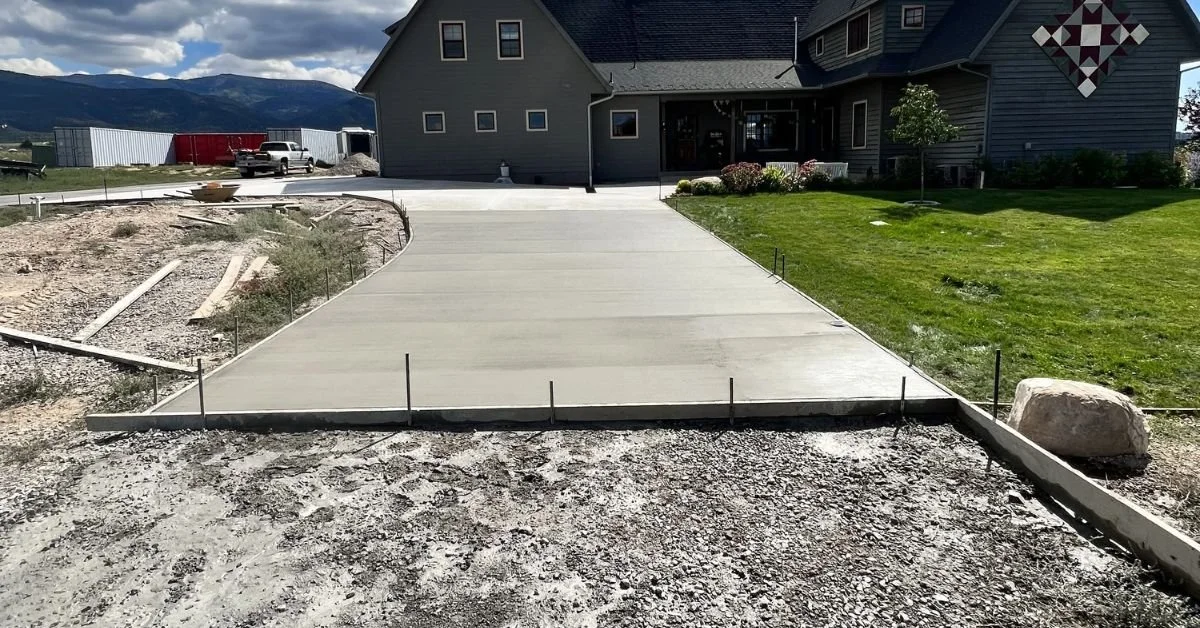
Concrete is a major investment designed to last for decades. However, a slab poured on poorly prepared ground may start to fail within just a few years. Problems such as cracking, heaving, and sinking often require costly repairs—or even complete replacement.
Proper grading acts as an insurance policy for your project. By addressing soil conditions upfront, you eliminate the factors that contribute to premature wear. A well-graded base ensures the slab withstands heavy loads, freeze-thaw cycles, and water damage, maintaining its functionality and appearance for generations.
Saves Money on Repairs and Remediation
Attempting to save money by skipping grading is a false economy. Fixing issues caused by poor preparation, such as sinking slabs or cracking, is far more expensive than doing the job right the first time. Even temporary fixes such as mudjacking or epoxy injections are costly and often unsightly.
Proper grading prevents these problems, protecting your investment and saving you money in the long run. It eliminates the need for expensive repairs and ensures the concrete remains a durable and valuable asset.
Optimizes Aesthetic Appeal
While functionality is the priority, aesthetics also matter. Concrete that follows the natural contours of the land looks intentional and professional. Proper grading ensures clean edges, smooth transitions, and consistent slopes, creating a polished, visually appealing result.
Visual Harmony: Slabs sit at the correct height relative to doors and gates.
Sharp Edges: Precise grading allows for neat, straight formwork.
Consistent Slopes: Driveways and patios have subtle, intentional pitches rather than uneven waves.
Grading provides the foundation for a flawless finished product that looks as good as it performs.
Build on Solid Ground
The success of any concrete project begins long before the first truck arrives. Proper site grading is an essential engineering process that ensures stability, drainage, and durability. By prioritizing this step, you protect your project from water damage, cracking, and settling, while also ensuring compliance with building codes and maintaining a seamless integration with the surrounding environment.
If you want your concrete installation to stand the test of time, contact our team of professional concrete construction contractors today. Let us help you lay the groundwork for a successful project.
Trenching Services Explained: When and Why You Need Them
Planning an underground project? Discover when trenching services are essential for utilities, drainage, and safety. Learn why professional help matters.
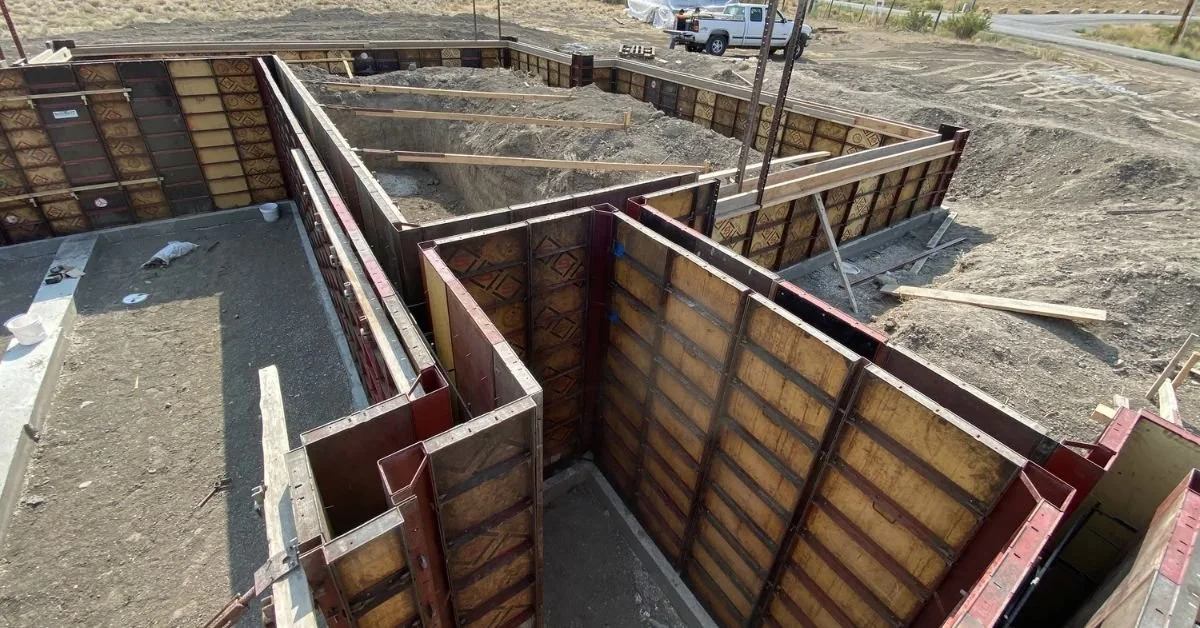
Underground construction work is complex. Before a new building rises or utilities connect, specialized excavation prepares the ground below. Trenching is one of the most critical aspects of this preparation. It involves creating a narrow, deep excavation used primarily for placing infrastructure below grade. While it may look like simple digging to the untrained eye, trenching requires precision, safety protocols, and specialized equipment to execute correctly.
Understanding the specifics of trenching helps property owners and project managers plan effectively. It ensures that the necessary groundwork supports the long-term functionality of utilities and structural foundations. This article examines when and why you need trenching services and the importance of hiring professionals to handle the job.
Understanding the Basics of Trenching
A trench is defined as a narrow excavation made below the surface of the ground. In general, the depth is greater than the width, but the width of a trench (measured at the bottom) is not greater than 15 feet. Trenching differs from general excavation, which typically involves moving earth to create building foundations or large reservoirs.
The primary purpose of trenching is to provide a protected pathway for underground utilities. This method keeps essential services safe from surface damage and environmental exposure. It also maintains the aesthetic appeal of a property by keeping unsightly pipes and cables out of view.
Installing Utility Lines for Water and Sewer
One of the most common applications for trenching involves water and sewer systems. Municipalities and private property owners rely on trenching to install the pipes that carry fresh water to buildings and transport wastewater away. These lines must be buried at specific depths to prevent freezing in colder climates and to protect them from the weight of surface traffic.
Proper trenching ensures these pipes have adequate support and appropriate bedding material. This prevents the pipes from shifting, cracking, or collapsing over time. Without professional trenching, water lines remain vulnerable to environmental stress, leading to costly leaks and service interruptions.
Laying Electrical and Telecommunication Cables
Modern infrastructure depends heavily on electricity and high-speed communication. Trenching provides a secure environment for electrical conduits and fiber-optic cables. Burying these lines protects them from wind, ice, and falling trees, which are common causes of power outages with overhead lines.
Underground installation also improves safety by reducing the risk of accidental contact with live wires. For telecommunications, trenching offers a stable environment that minimizes signal interference and physical damage. This reliability is crucial for businesses and residences that require consistent power and data connectivity.
Creating Drainage Systems to Manage Water Flow
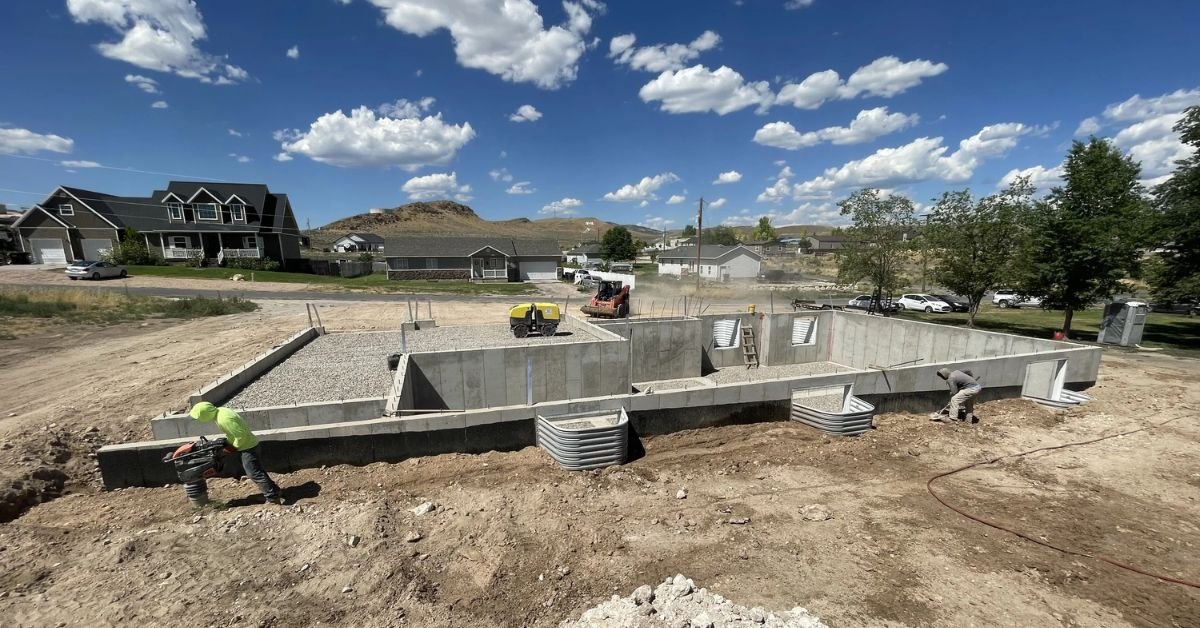
Effective water management prevents structural damage and soil erosion. Trenching plays a vital role in installing drainage systems such as French drains, storm sewers, and culverts. These systems collect and redirect surface water and groundwater away from foundations and low-lying areas.
A well-designed drainage trench includes a perforated pipe surrounded by gravel or rock. This setup allows water to enter the pipe while filtering out sediment. By controlling water flow, property owners protect their investments from flooding and moisture-related issues such as mold and rot.
Establishing Foundations for Retaining Walls
Retaining walls require a stable footing to hold back soil and resist pressure. Trenching creates the necessary excavation to pour concrete footings or install base materials for these structures. The depth and width of the trench depend on the height of the wall and the type of soil.
precise trenching ensures the footing sits below the frost line, preventing frost heave from shifting the wall. It also allows for the installation of drainage pipes behind the wall, further reducing hydrostatic pressure. This preparation is essential for the longevity and structural integrity of any retaining wall project.
Installing Irrigation Systems for Landscaping
Large-scale landscaping projects often require automated irrigation systems to maintain plant health. Trenching allows for the installation of the main supply lines and lateral pipes that feed sprinkler heads and drip emitters.
Burying these pipes prevents tripping hazards and protects the equipment from lawn mowers and foot traffic. Professional trenchers create clean, narrow cuts that minimize disturbance to existing turf and soil structure. This efficiency speeds up the installation process and allows the landscape to recover quickly.
Repairing or Replacing Existing Underground Utilities
Infrastructure ages and eventually requires maintenance or replacement. Trenching provides access to damaged or outdated pipes and cables without excavating the entire site. This targeted approach reduces costs and minimizes disruption to the surrounding area. Contractors use specialized locating equipment to identify the exact position of the utility before digging. Once exposed, the repair team can fix leaks, replace sections of pipe, or upgrade electrical capacity.
Facilitating Geothermal Heating and Cooling Systems
Geothermal systems use the stable temperature of the earth to heat and cool buildings. Horizontal loop systems require extensive trenching to bury the piping network that exchanges heat with the ground.
These trenches must be deep enough to reach soil with consistent temperatures and spaced correctly to maximize efficiency. The layout and execution of this trenching directly impact the performance of the geothermal system. Proper installation results in significant energy savings and a reduced carbon footprint for the building.
Improving Site Safety and Aesthetics
Overhead lines create visual clutter and pose safety risks during storms or accidents. relocating these utilities underground through trenching enhances the visual appeal of a property. It opens up sightlines and allows for more flexible landscaping and architectural design.
From a safety perspective, underground utilities are less susceptible to vandalism and accidental damage. This security is particularly important for commercial properties and public spaces where reliability and safety are paramount.
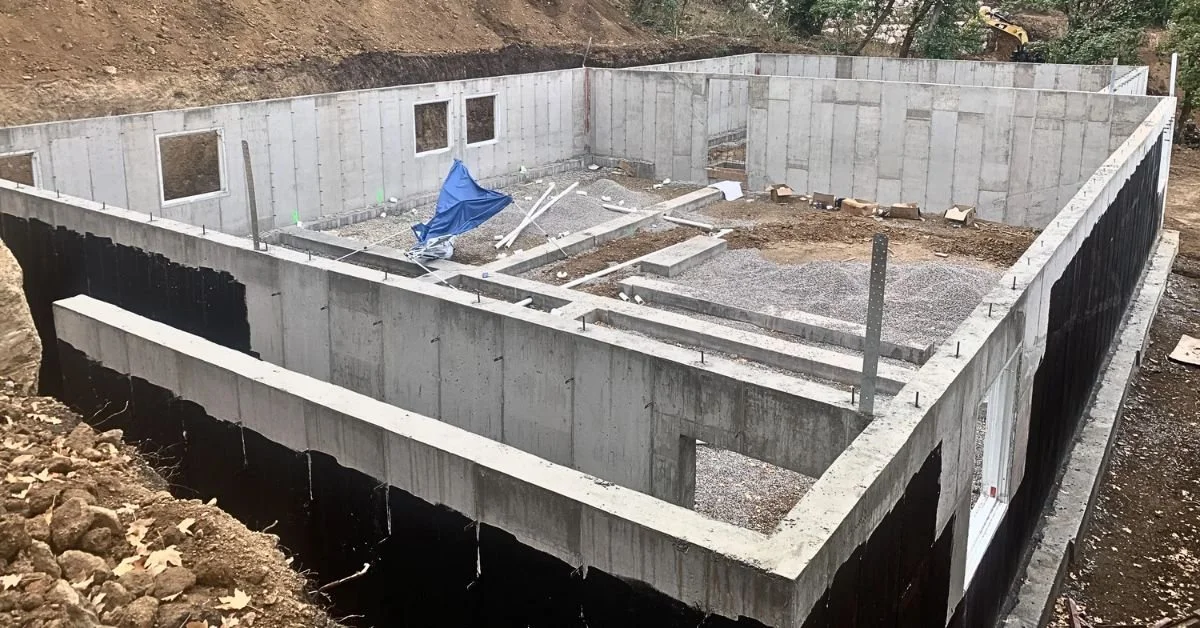
Compliance With Local Codes and Regulations
Construction projects must adhere to strict local, state, and federal regulations. Trenching operations are subject to specific safety standards, particularly those set by OSHA (Occupational Safety and Health Administration). These rules dictate protective systems for trenches deeper than five feet to prevent cave-ins.
Professional trenching services ensure compliance with these regulations. They understand soil classifications, sloping requirements, and shoring techniques. This adherence protects workers and avoids legal liabilities and fines for the property owner. It also ensures that the installation meets all utility code requirements for depth and separation.
Analyzing Soil Conditions for Stability
Soil composition varies significantly from one site to another. Sandy soil behaves differently than clay or rocky ground. Trenching professionals analyze soil conditions to determine the best excavation method and the necessary safety precautions.
Unstable soil requires additional support measures to maintain trench walls. Encountering rock may necessitate specialized equipment such as trenchers with rock teeth or hydraulic breakers. Understanding the soil profile prevents delays and ensures the trench remains stable throughout the installation process.
Why Professional Execution Matters
Trenching is inherently dangerous work. Cave-ins pose a serious threat to workers and can happen in an instant. Professional contractors possess the training and equipment to mitigate these risks. They use trench boxes, hydraulic shoring, and proper sloping to create a safe work environment.
Beyond safety, professionals deliver precision. Utilities rely on gravity flow or specific grades to function correctly. A trench that is too shallow or uneven can lead to system failures. Professionals use laser levels and GPS technology to ensure the excavation meets the exact specifications of the design.
Knowing when and why you need trenching services helps you make informed decisions for your construction or renovation project. Whether installing new utilities, upgrading drainage, or preparing for a foundation, the quality of the trenching determines the success of the installation.
Next Steps for Your Project
Correctly executed trenching provides the backbone for essential infrastructure. It requires a combination of technical knowledge, safety compliance, and precise equipment operation. Attempting this work without professional assistance risks safety, legality, and system performance.
If you are planning a project that involves underground utilities or site preparation, consult with experts who understand the complexities of excavation. Partner with the experienced new construction contractors at Corona Construction to ensure your project starts on solid ground and meets all necessary standards for safety and durability.
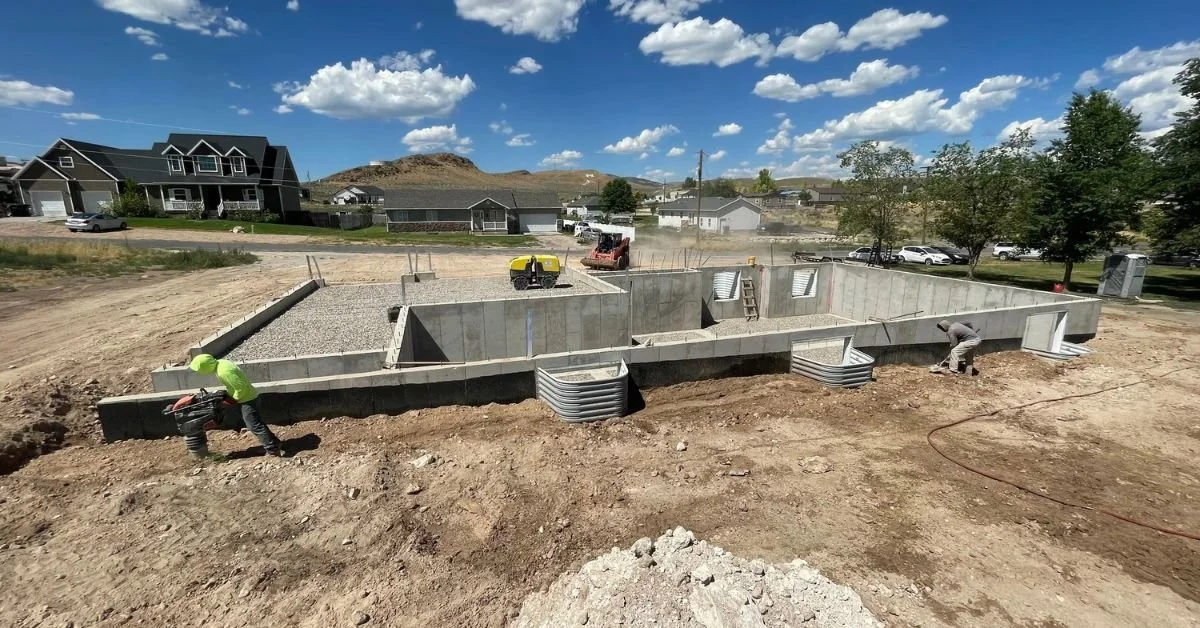
Understanding the Role of Footings in Concrete Construction
Learn what concrete footings are and why they are essential for a stable foundation. Explore types, design factors, and common construction practices.
A solid foundation is the most critical component of any durable structure. At the base of this foundation lies the footing, an essential element that ensures stability and longevity. A properly designed and installed footing distributes the building's load to the soil beneath, preventing settlement and structural failure. Fully understanding the role of footings in concrete construction is the first step toward a successful and lasting project.
Footings act as the intermediary between the structure and the ground. Without them, the concentrated weight from columns and walls would press directly into the soil, leading to uneven settling, cracks in the foundation, and potentially catastrophic structural damage. This makes the footing a non-negotiable part of modern construction, providing the necessary support to keep buildings safe and upright for decades.
What Are Concrete Footings?
Concrete footings are structural elements that transmit the load of a building from the foundation directly to the underlying soil. Typically constructed from reinforced concrete, they are wider than the foundation walls they support. This increased surface area is crucial, as it spreads the building's weight over a larger section of ground, reducing the pressure exerted on the soil. This distribution prevents the soil from compressing under the load, which would cause the structure to sink or settle.
How Do Footings Support a Structure?
Footings provide support by creating a stable base that evenly distributes the building's dead and live loads. Dead loads include the weight of the structure itself, such as walls, floors, and roofs. Live loads are temporary forces, such as furniture, occupants, and environmental factors like snow. The footing takes these combined loads from the foundation walls and columns and spreads them across a wide area of soil, ensuring the ground's bearing capacity is not exceeded.
Why Are Footings Essential?
Footings are essential for preventing differential settlement. This occurs when different parts of a structure settle into the ground at varying rates, causing significant stress on the building's frame. Such movement leads to cracked walls, sticking doors, and compromised structural integrity. By creating a solid, monolithic base, footings ensure the entire structure settles uniformly, if at all, protecting it from long-term damage.
What Types of Footings Exist?
Contractors use several types of footings, with the selection depending on the building's size, soil conditions, and structural design.
Spread Footings: The most common type, these footings spread the load from a column or wall over a large area. They include isolated footings for single columns and continuous strip footings for walls.
Mat or Raft Foundations: These consist of a single, thick concrete slab that covers the entire footprint of the building. They are used when soil conditions are poor or when building loads are exceptionally heavy.
Pile Footings: When the soil near the surface is too weak to support the structure, contractors drive long, slender columns known as piles deep into the ground until they reach a stable layer of soil or rock. The footings then rest on these piles.
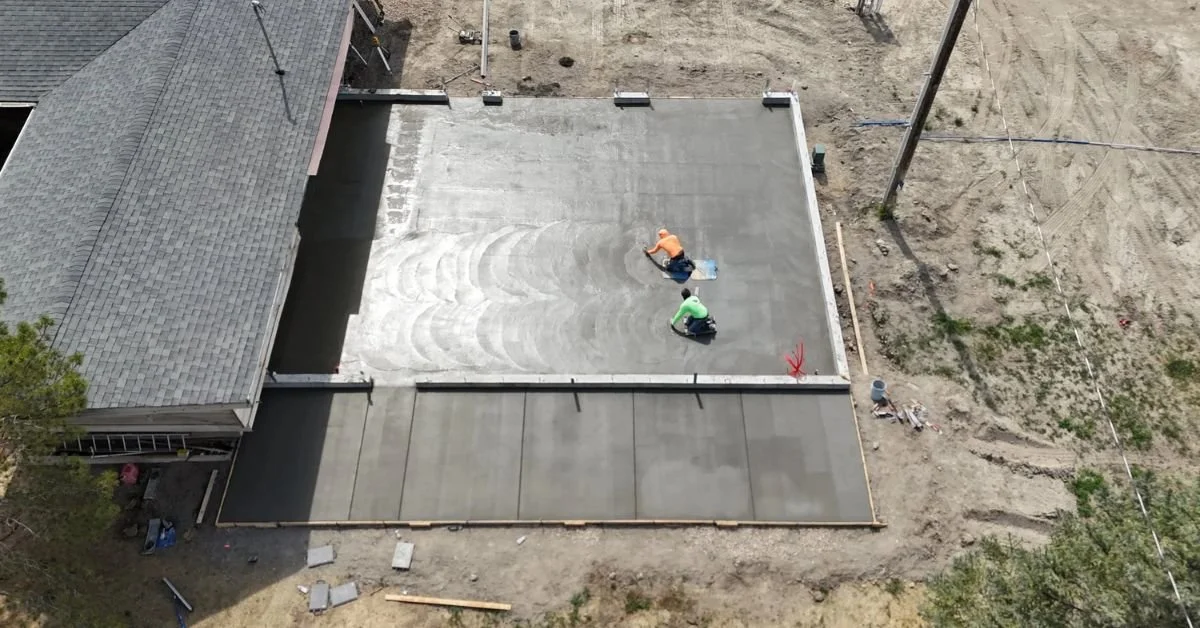
How Is a Footing's Size Determined?
Engineers determine the appropriate size of a footing by analyzing two primary factors: the load of the building and the bearing capacity of the soil. The total weight of the structure dictates the amount of force the footing must transfer. A soil engineer then tests the ground to determine its safe bearing capacity—the maximum pressure it can withstand without significant compression. The footing must be large enough to distribute the building's load so that the pressure on the soil remains below this capacity.
What Is the Role of Reinforcement?
Steel reinforcement, or rebar, is critical for giving concrete footings the tensile strength they need to resist forces that could cause them to bend or crack. While concrete has excellent compressive strength, it is weak under tension. When a footing settles or is subjected to uneven loads, it can experience bending forces. Rebar embedded within the concrete counteracts these forces, ensuring the footing remains intact and continues to provide stable support.
How Deep Should Footings Be?
Footing depth is dictated by the local climate and building codes. In regions with cold winters, footings must be placed below the frost line—the depth to which the ground freezes. If a footing is placed above the frost line, moisture in the soil can freeze, expand, and push the footing upward in a process called "frost heave." When the ground thaws, the footing settles back down. This repeated movement can cause severe structural damage. Placing the footing below the frost line ensures it rests on stable, unfrozen soil year-round.
What Are Common Footing Problems?
Improperly constructed footings can lead to a host of problems. If a footing is too small for the load it supports or the soil it rests on, it can lead to excessive and uneven settlement. Using concrete with insufficient strength or inadequate steel reinforcement can cause the footing to crack or fail. Another common issue is poor soil preparation, which can create voids beneath the footing and result in a lack of uniform support.
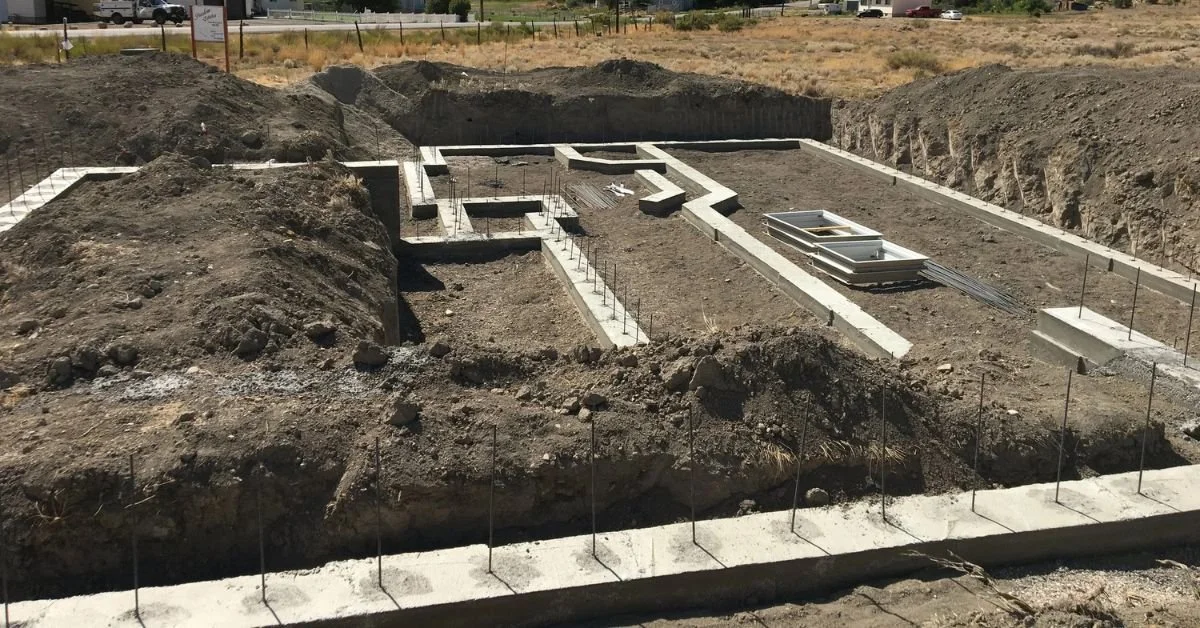
How Does Soil Type Affect Footings?
Soil type is a determining factor in footing design. Different soils have vastly different bearing capacities. Bedrock, for instance, can support immense loads, while soft clay or loose sand cannot. A soil investigation is necessary to classify the soil and determine its properties. Based on these findings, an engineer will design a footing system that is appropriate for the specific ground conditions at the construction site.
What Is the Construction Process?
Constructing a concrete footing involves several precise steps. First, workers excavate the soil to the required depth and width. They then install wooden or metal forms that will shape the concrete. Next, they place the steel reinforcement within the forms according to the engineering plans. Finally, they pour the concrete into the forms, ensuring it is properly consolidated to remove air pockets. After the concrete cures and gains sufficient strength, the foundation walls can be built on top of it.
Secure Your Foundation
Understanding the role of footings in concrete construction will help you see just how important they are for a safe and durable structure. Because of their critical role, this work should only be entrusted to seasoned professionals. If you are planning a project, partner with Corona Construction. Contact our concrete footing contractors today to discuss your needs and ensure your structure starts with the strongest possible foundation.
Construction Contractor Questions Every Homeowner Should Ask
Hiring a contractor? Ask these essential questions about licensing, references, and timelines to ensure your home construction project is a success.
Embarking on a home construction or renovation project is a significant financial and personal investment. The success of your project largely depends on the contractor you hire. Selecting the right professional requires careful vetting to ensure they are qualified, reliable, and a good fit for your specific needs. Knowing the right questions to ask is the first step toward a successful partnership and a finished project that meets your expectations.
Asking detailed, specific questions allows you to evaluate a contractor's experience, work ethic, and business practices. This process helps you avoid potential issues with budget overruns, missed deadlines, and subpar workmanship. This list of construction contractor questions every homeowner should ask will equip you with the knowledge to make an informed and confident decision.
Are You Licensed and Insured?
This is the most critical question to ask. A contractor's license confirms they have met the legal requirements set by your state or local authorities to perform construction work. It demonstrates a level of professionalism and knowledge of building codes and regulations.
Equally important is insurance. A reputable contractor must carry two primary types of insurance:
General Liability Insurance: This protects your property from damage caused by the contractor or their team during the project.
Workers' Compensation Insurance: This covers injuries sustained by the contractor's employees while working on your property. Without it, you could be held liable for medical costs and lost wages.
Request to see copies of their license and insurance certificates. Do not proceed with any contractor who cannot provide this documentation.
Can You Provide a List of References?
Speaking with past clients provides invaluable insight into a contractor's performance and professionalism. Ask for a list of at least three recent references for projects similar in scope and size to yours. When you contact these references, inquire about their overall satisfaction, the contractor's communication, their ability to stick to the budget and timeline, and the quality of the final work. A confident contractor will be proud to share their portfolio and connect you with satisfied clients.
How Long Have You Been in Business?
Experience matters in the construction industry. A contractor who has been in business for several years has likely navigated a wide range of projects and challenges. This longevity suggests financial stability and a proven track record of completing jobs successfully. While a newer company is not automatically a poor choice, an established business often brings a deeper level of expertise and a more refined process to the table.
What Is Your Experience With Projects Like Mine?
General construction covers a vast array of project types. A contractor might excel at bathroom remodels but have limited experience with large-scale home additions. Make sure your potential contractor has a portfolio of completed projects similar to yours. Ask to see photos or even visit a completed site. This confirms they have the specific skills and understanding required to execute your vision correctly.
Who Will Be Working on the Project?
You need to know who will be physically present at your home. Will the contractor you are hiring be on-site daily, or will they delegate supervision to a project manager or foreman? Also, inquire if they use their own employees or if they rely on subcontractors for specialized tasks such as plumbing or electrical work. If they use subcontractors, confirm that those specialists are also licensed and insured.
What Is the Proposed Timeline for My Project?
A professional contractor should provide a detailed project schedule. This timeline should outline the start date, key milestones, and a projected completion date. While unforeseen delays can occur in any construction project, a clear schedule demonstrates the contractor's organizational skills and commitment to finishing on time. Discuss how they handle potential delays and how any changes to the schedule will be communicated.
How Will You Handle Communication?
Clear and consistent communication is the bedrock of a successful contractor-client relationship. Establish expectations from the beginning. Ask who your primary point of contact will be and their preferred method of communication. Agree on a schedule for regular progress updates. This ensures you remain informed and can address any questions or concerns promptly.
What Is Your Payment Schedule?
A transparent payment schedule protects both you and the contractor. A typical structure involves a down payment, followed by progress payments at specific project milestones, with a final payment upon completion and your satisfaction. Be wary of contractors who demand a large upfront payment or ask for the full amount before the work is finished. The payment schedule should be clearly outlined in the written contract.
How Are Change Orders Handled?
Changes are common in construction projects. You might decide to upgrade materials or encounter an unexpected structural issue. A formal process for "change orders" is essential. A change order is a written document that details the new work, its cost, and its impact on the project timeline. Both you and the contractor must sign it before the new work begins. This prevents misunderstandings and disputes about costs later on.
What Kind of Warranty Do You Offer?
A reputable contractor will stand behind their work. Ask about the warranty they provide for their labor and the materials used. A warranty offers you recourse if defects or issues arise after the project is completed. The terms of the warranty, including what is covered and for how long, should be explicitly stated in your contract. This is a final piece of assurance in the quality of their craftsmanship.
Build With Confidence
Your home is your most valuable asset, and any construction project is a major undertaking. By arming yourself with these essential construction contractor questions every homeowner should ask, you can thoroughly vet potential project partners and select a professional you can trust. Taking the time to perform this due diligence is the most effective way to ensure your project is completed to your satisfaction, on time, and within budget.
If you are looking for experienced and reliable general construction contractors who can answer these questions with confidence, contact Corona Construction. Our team is ready to bring your vision to life with professionalism and expertise.