How To Maintain Concrete Flatwork Through the Seasons
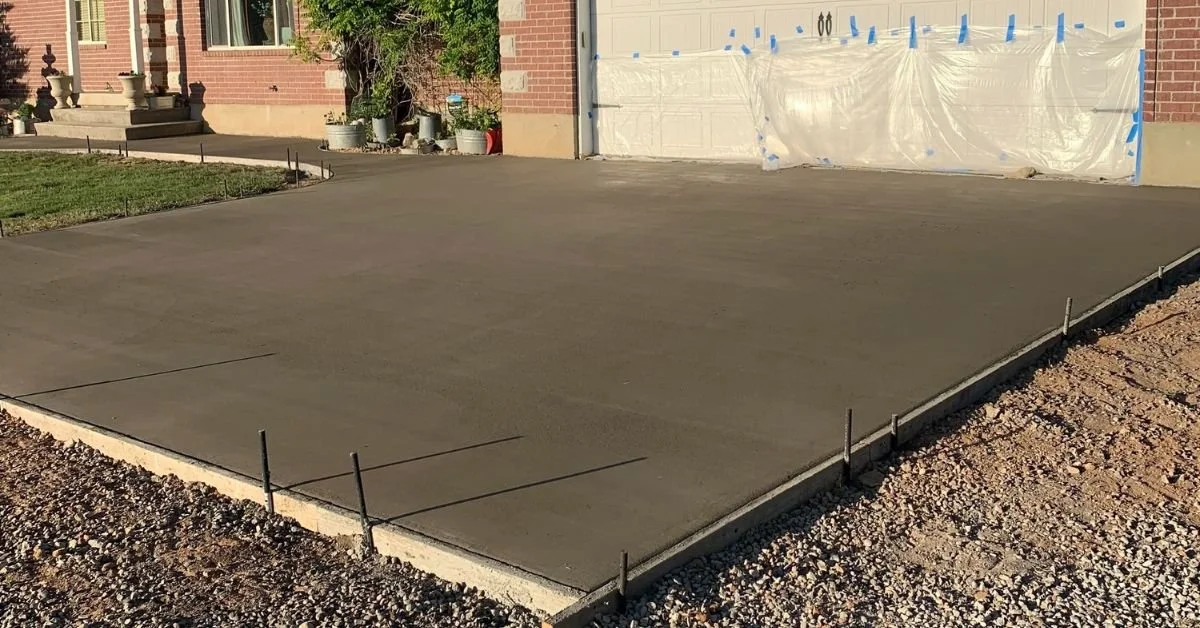
Concrete is a durable material for driveways, patios, and walkways, but it requires consistent maintenance to withstand environmental stressors. Temperature fluctuations, moisture intrusion, and chemical exposure all threaten structural integrity over time.
Property owners who understand how to maintain concrete flatwork through the seasons protect their investment and extend the lifespan of their exterior surfaces. Neglecting these maintenance protocols leads to cracking, spalling, and surface discoloration, necessitating costly repairs or complete replacement.
The Science of Concrete Vulnerability
Concrete is porous with tiny capillaries that absorb water and chemicals. When frozen, moisture expands by about 9%, creating internal pressure that can cause micro-cracks if it exceeds the tensile strength. Repeated freeze-thaw cycles expand these cracks, leading to surface scaling and structural weakness.
Chemicals also threaten concrete by reacting with hydrated cement, altering its composition and weakening the matrix. Recognizing these vulnerabilities is vital for proactive seasonal maintenance.
Winter Damage Mitigation Strategies
Winter presents the harshest conditions for exterior flatwork. The combination of freezing temperatures and ice removal practices causes most concrete deterioration.
Avoiding Harmful Deicing Chemicals
Many property owners apply chemical deicers to melt ice and improve traction. However, specific chemicals aggressively attack concrete. Research indicates that calcium chloride and magnesium chloride cause significant damage. These chemicals react with calcium hydroxide in the concrete to form calcium oxychloride, an expansive crystalline compound. As these crystals grow within the pores, they shatter the concrete from the inside out.
Ammonium nitrate and ammonium sulfate, frequently found in fertilizers, also attack the cement paste and cause rapid disintegration. Even sodium chloride (rock salt) increases the number of freeze-thaw cycles by temporarily melting ice, which then refreezes as temperatures drop further.
Prioritize mechanical removal of snow and ice. Shoveling or plowing immediately after a storm prevents ice from bonding to the pavement. For traction, spread sand or kitty litter. These materials provide grip without initiating harmful chemical reactions. If a chemical deicer is necessary, verify that the product contains no chlorides, ammonium, or sulfates.
Preventing Critical Saturation
Concrete is most susceptible to damage when it reaches critical saturation—a state in which the pores hold nearly their maximum water capacity. Deicing salts attract moisture, keeping the concrete wetter than it would be otherwise. This increased saturation amplifies freeze-thaw damage. Keeping the surface free of snow accumulation reduces the moisture load. Improving drainage around the slab prevents water from pooling and saturating the concrete from the sides or below.
Spring Cleaning and Assessment
As temperatures rise, the focus shifts to removing winter residues and evaluating the surface conditions.
Removing Chemical Residues
Even if you avoid deicers, vehicles track road salts onto driveways, which stay in the pores and attract moisture. Rinse concrete surfaces thoroughly with a garden hose or pressure washer on low, directing water to remove debris and sediments. Focus on low spots where salt concentrations are highest.
Inspecting for Surface Defects
Conduct a close visual inspection of the flatwork. Look for new cracks, signs of spalling (flaking surface), or areas that appear dusted or pitted. Catching these issues early allows for minor repairs before they escalate into major structural failures.
Identifying the source of the damage is equally important. If spalling appears where car tires rest, road salts likely caused the issue. If cracks appear near the edge, soil settlement or drainage problems might be responsible.
Addressing Fertilizer Risks
Spring marks the beginning of lawn care season. Fertilizers containing ammonium nitrate or ammonium sulfate pose a threat to concrete similar to deicers. When spreading fertilizer, prevent granules from landing on the driveway or sidewalk.
If stray granules land on the concrete, sweep them up immediately. Do not wash them into the concrete with water, as this dissolves the chemicals and carries them into the pores.
Summer Preservation and Stain Management
Summer brings heat and increased usage of outdoor spaces. Maintenance during these months focuses on protecting the surface from staining and managing moisture fluctuations.
Managing Oil and Grease Stains
Driveways experience heavier traffic during the summer. Leaking fluids from vehicles penetrate porous concrete quickly. Oil and grease stains not only mar the appearance but also interfere with the application of sealers later in the year.
Treat spills immediately. Absorb fresh oil with kitty litter or sawdust. For set-in stains, apply a commercial degreaser or a poultice formulated to remove oil from the concrete pores. Scrub the area vigorously and rinse thoroughly.
Controlling Vegetation Growth
Weeds and grass growing in expansion joints or cracks exert outward pressure as their root systems expand. This pressure widens existing cracks and creates new ones. Remove vegetation systematically. Apply an herbicide to kill the roots or manually remove the plants. Once cleared, filling these joints with a flexible sealant prevents water ingress and blocks future plant growth.
Fall Preparation Procedures
Fall maintenance determines how well the concrete withstands the coming winter. This season requires the most intensive preparation efforts.
Clearing Organic Debris
Falling leaves and pine needles accumulate on flatwork. When wet, this organic matter traps moisture against the concrete surface for prolonged periods. The decaying leaves also release weak acids that stain the surface and etch the cement paste. Sweep driveways and patios frequently. Keep gutters and downspouts clear to prevent overflow that can dump concentrated water onto concrete walkways.
Evaluating Joint Sealants
Expansion joints allow concrete slabs to move with temperature changes. The flexible sealant in these joints deteriorates over time due to UV exposure and weathering. Inspect the sealant for tears, separation from the concrete, or brittleness. Remove damaged sealant and replace it with a high-quality, flexible polyurethane caulk. This barrier stops water from flowing beneath the slab, where it can freeze and heave the concrete or erode the sub-base.
The Role of Penetrating Sealers
Sealing protects against moisture and chemicals. Unlike film sealers, penetrating sealers bond with concrete by entering capillaries. Silane and siloxane sealers are ideal for exterior flatwork, making concrete water-repellent and breathable, which prevents moisture buildup. Reapply every two to three years.
Application Timing
Apply sealers when concrete is clean and dry. Keep temperatures between 50°F and 90°F for proper curing, with fall ideal for sealing. The sealer reduces water absorption during winter freeze-thaw cycles. Follow manufacturer's instructions for application and drying.
Drainage and Water Management
Water management fundamentally dictates concrete longevity. Even the strongest concrete fails if water undermines the sub-base.
Grading and Slope Verification
Concrete flatwork should slope away from structures and toward drainage areas. Over time, soil settlement can alter this slope, causing water to pool. If pooling occurs, consider mudjacking or grinding to restore positive drainage.
Downspout and Landscape Management
Verify that downspouts direct water at least five feet away from concrete slabs. Water pouring directly from a roof or downspout erodes the soil supporting the concrete edge. Adjust landscaping to prevent irrigation runoff from flowing across the concrete. Constant wetting and drying cycles accelerate surface wear and increase the mineral deposits that cause unsightly efflorescence.
Securing Long-Term Durability
Consistent maintenance preserves the functionality and aesthetic appeal of exterior concrete. By understanding the chemical and physical threats posed by weather and contaminants, property owners can implement effective preservation strategies. Avoiding harmful salts, sealing surfaces regularly, and managing water flow form the pillars of a robust maintenance plan. Those who learn how to maintain concrete flatwork through the seasons avoid the frustration of premature deterioration.
For homeowners facing extensive damage or seeking professional sealing services, consulting with residential construction contractors provides access to specialized expertise. Corona Construction LLC delivers comprehensive assessments and repair services to restore the integrity of your concrete surfaces. Contact our team today to schedule an evaluation and safeguard your property against the elements.