Why Proper Excavation Is Critical for Foundation Stability
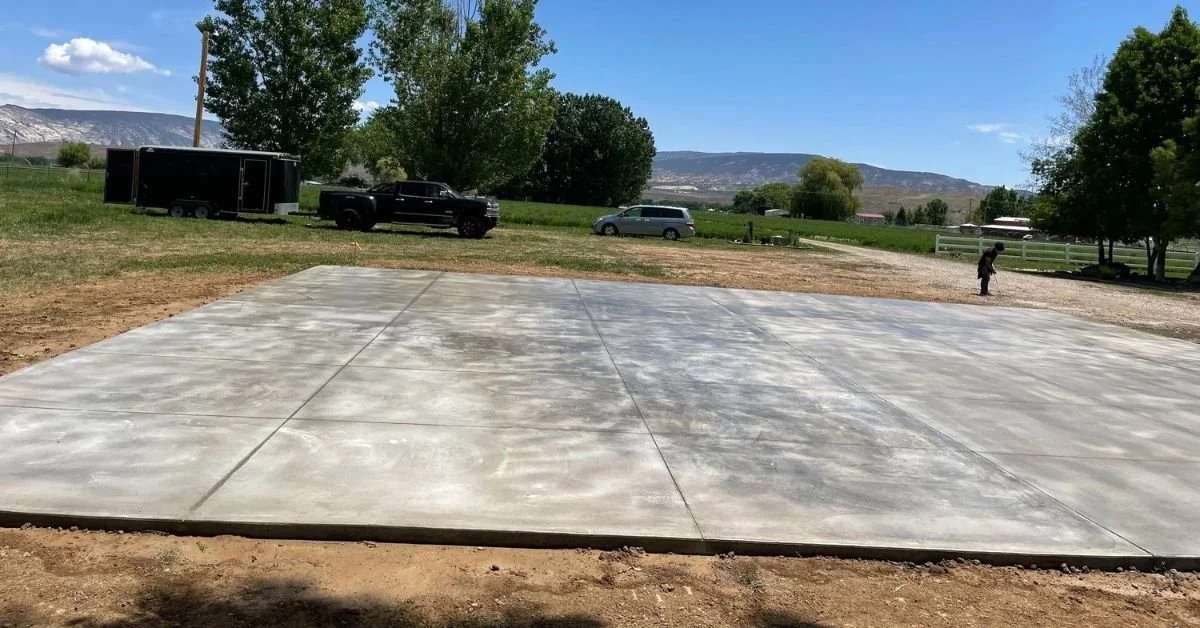
Every structure relies on the ground beneath it. If the earth shifts, settles unevenly, or fails to drain properly, the building above suffers. Cracks appear in drywall, doors stick in their frames, and concrete slabs fracture. These issues often trace back to the initial site work. Understanding why proper excavation is critical for foundation stability depends on soil mechanics and precise preparation.
Excavation involves more than digging a hole. It requires analyzing soil composition, managing water tables, and compacting layers to support heavy loads. When crews rush this stage or ignore best practices, the foundation's integrity is compromised before the concrete even pours.
Understanding Soil Mechanics and Load Bearing
The soil must support the entire structure. Different soil types react differently to pressure and moisture. Clay expands when wet and shrinks when dry, while sand drains well but can shift if not contained.
Identifying Soil Types
Before breaking ground, builders assess the site conditions. This assessment determines the excavation depth and the reinforcement required for the foundation.
Granular Soils: Gravel and sand provide excellent drainage and stability. They resist compression better than other types.
Cohesive Soils: Clay and silt bind together. They retain water, which creates stability challenges during freeze-thaw cycles.
Organic Soils: Peat and loam are composed of decaying plant matter. These soils compress easily and generally require removal and replacement with engineered fill.
Excavators remove topsoil and organic matter to reach undisturbed, inorganic earth. Building codes, such as the International Residential Code (IRC) Section R403.1, mandate that footings rest on undisturbed natural soils or engineered fill. This requirement prevents the foundation from settling into pockets of soft, decomposing material.
Compaction Requirements
Loose soil contains air gaps. Over time, a building's weight forces the air out, causing the ground to sink. Controlled compaction eliminates these voids. Crews use vibrating plate compactors or heavy rollers to densify the soil layers.
If excavation disturbs soil below the footing level, workers must restore the soil density. Improper compaction leads to differential settlement, where one part of the house sinks faster than another. This uneven movement causes concrete footings to snap and leads to structural failure.
Managing Water and Drainage Issues
Water destroys foundations. Effective excavation includes grading and trenching strategies to direct water away from the structure. If water pools around the footing, it softens the supporting soil. In freezing climates, this water freezes and expands, lifting the building in a process known as frost heave.
Frost Depth Considerations
Excavation depth should consider the local frost line, the deepest ground point where groundwater freezes. IRC Section R403.1.4 mandates exterior footings extend at least 12 inches below undisturbed ground and beneath the frost line. Ignoring frost depth causes soil expansion that cracks concrete. To avoid this, excavators dig trenches in thermally stable soil to protect the structure from ground movement.
Grading for Positive Drainage
The excavation plan is designed to shed water, with the ground sloping away from the foundation at a minimum grade. This prevents rain and snowmelt from infiltrating the backfill area adjacent to the basement or crawlspace walls. Proper grading works with subsurface drainage systems.
Excavators install perimeter drains, often referred to as French drains, at the footing level to collect groundwater and convey it to a sump pump or daylight outlet. Without precise trenching, water pressure builds against the foundation, causing leaks and instability.
Preventing Over-Excavation and Soil Disturbance
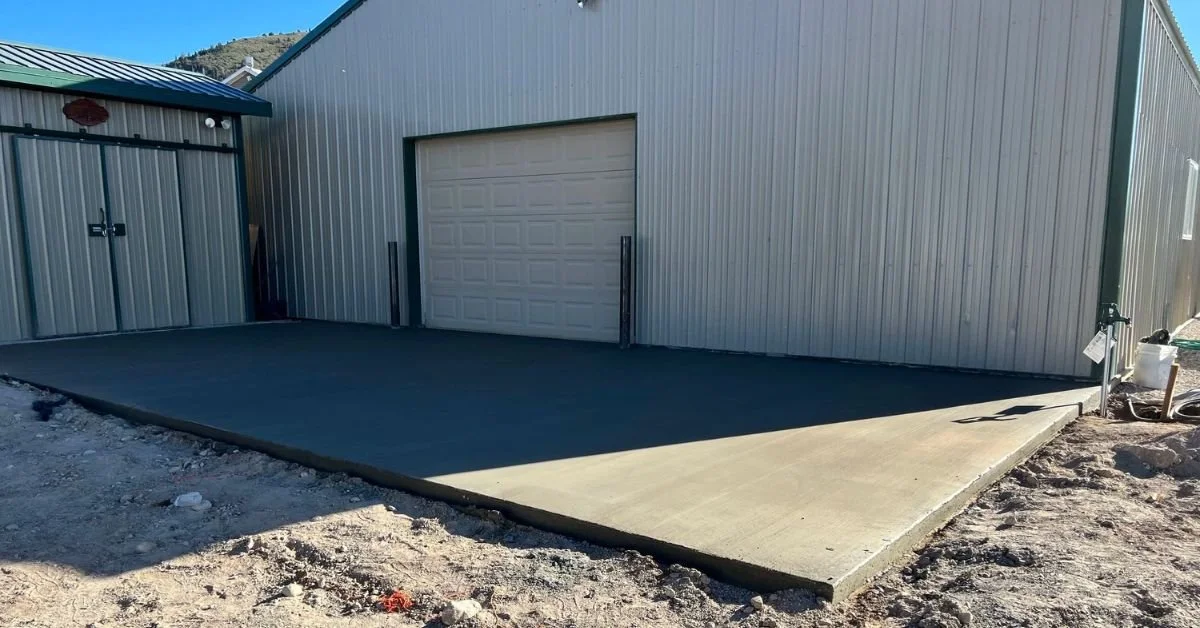
Precision matters in the trenches. Digging too deep or too wide creates unnecessary problems. Over-excavation requires the builder to bring in expensive engineered fill or pour extra concrete to reach the required elevation.
The Risks of Disturbed Soil
When a bucket tooth breaks the soil surface, the soil's natural compaction is compromised. Digging six inches too deep and refilling with loose dirt will cause the fill to compact over time, causing the footing to drop.
Skilled operators leave the last few inches of excavation for careful removal, preventing soil loosening at the bearing level. If errors occur, the only safe fixes involve compacting engineered fill in thin layers or extending the concrete footing to reach the undisturbed soil.
Trench Safety and Stability
A stable excavation protects the workers and the future foundation. Trenches can collapse without warning. OSHA Standard 1926 Subpart P mandates protective systems for excavations five feet or deeper.
While these measures primarily ensure worker safety, they also prevent the trench walls from crumbling into the footing area. Loose debris falling into the forms contaminates the concrete and weakens the bond between the concrete and the forms.
Backfilling and Final Grading
The excavation process continues after the concrete cures. Backfilling involves placing soil around the foundation walls to bring the site to the final grade. Doing this incorrectly damages the new walls.
Timing and Material Selection
Concrete needs time to reach full strength. Backfilling too soon puts lateral pressure on the walls before they can resist it, causing cracks or bowing. The material used for backfill matters as much as the timing.
Using heavy clay or rocks against the wall damages waterproofing membranes. Granular, free-draining material works best. It allows water to flow down to the perimeter drain rather than pressing against the concrete.
Lifts and Compaction
Workers place backfill in layers, or lifts. They compact each lift before adding the next. If they dump all the dirt in at once, the bottom layers remain loose. This loose soil settles over the first few years, creating a depression along the foundation. This depression traps surface water against the house, restarting the cycle of water damage.
Careful compaction protects the waterproofing system. Operators keep heavy machinery a safe distance from the curing walls to prevent structural damage from vibration and weight.
Integrating Utilities and Site Access
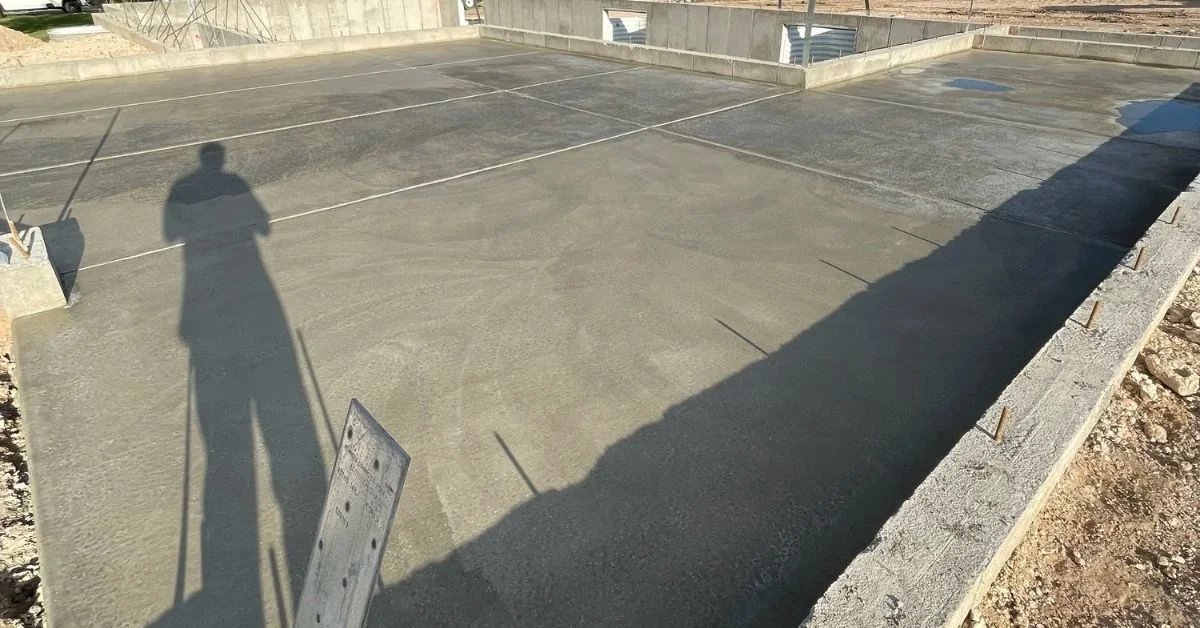
Excavation coordinates the placement of underground utilities. Sewer lines, water mains, and electrical conduits enter the home through the foundation or under the footings.
Trenching for Utilities
Utility trenches must not undermine the foundation. If a plumber digs a trench parallel to the footing and deeper than the footing's bearing level, the soil supporting the house might slide into the utility trench.
Excavators follow the 45-degree rule of thumb: utility trenches should not encroach within a line extending down at a 45-degree angle from the bottom edge of the footing. Proper planning prevents these conflicts and maintains the soil support zone.
Access for Heavy Equipment
The site needs to support concrete mixers and pump trucks. Excavators create stable access roads and staging areas. If the ground is too soft, heavy trucks get stuck or rut the soil deeply, creating mud pits that complicate the entire build. Stabilizing the site access early keeps the project on schedule and prevents damage to the surrounding landscape.
Building on Solid Ground
A building stands only as long as its foundation holds. The longevity of that foundation depends entirely on the preparation of the earth beneath it. The importance of proper excavation for foundation stability is evident in every crack-free wall and level floor.
For homeowners and builders alike, investing in precise site preparation prevents catastrophic failures. When the ground is prepared correctly, the concrete performs as designed. For those seeking reliable results, hiring experienced concrete foundation contractors ensures the excavation complies with all structural and safety standards. Secure the future of your project by prioritizing the work that happens before the first yard of concrete arrives.