Why Proper Site Grading Matters Before Pouring Concrete
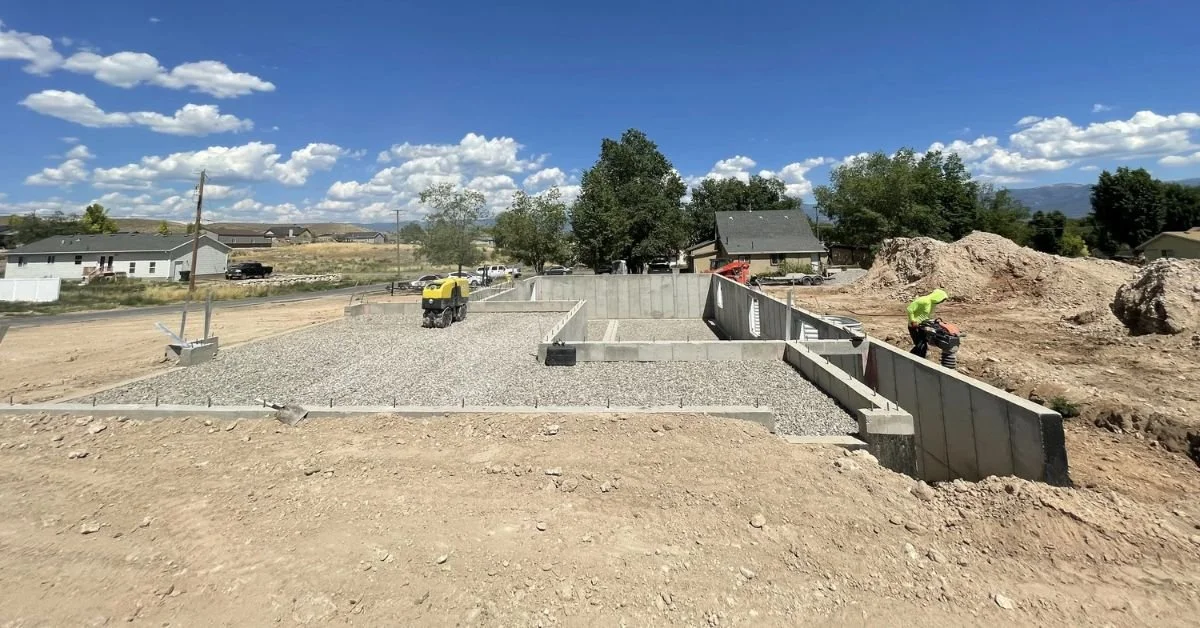
A concrete structure is only as strong as the ground it rests on. While the quality of the cement mix and the skill of the finishers influence the final appearance, the true longevity of any concrete project depends on thorough site preparation. Before the first truck arrives to pour, meticulous grading is essential to ensure stability, proper drainage, and structural integrity.
Site grading involves reshaping the landscape to meet specific engineering needs. This process creates a level base or intentional slopes by moving soil from high to low areas. Skipping this critical step can lead to future problems, ranging from minor cracks to significant structural failure. For property owners and project managers, prioritizing proper site grading before pouring concrete is key to protecting long-term investments.
Ensures Proper Drainage Away From Structures
Water is one of the leading causes of concrete damage. Without proper grading, water can collect around the concrete or flow underneath it. Standing water near the edges of a slab weakens the soil's load-bearing capacity and allows moisture to seep into the concrete. Over time, this can compromise the slab’s strength, causing issues such as spalling and deterioration.
Effective grading directs water away from the slab, preventing these issues. Most industry standards recommend a slope of at least six inches over the first ten feet away from a foundation. This positive drainage prevents hydrostatic pressure from building against the concrete and protects its integrity for years to come.
Prevents Soil Erosion Under the Slab
Erosion poses a hidden threat to concrete structures. If the ground slopes towards the concrete rather than away, heavy rains can wash away the supporting soil. This creates voids between the ground and the slab, leaving the concrete unsupported in certain areas. Since concrete has high compressive strength but low tensile strength, it cannot hold its own weight over empty spaces, leading to cracks or collapse.
Proper site grading before pouring concrete stabilizes both the topsoil and subsoil, ensuring rainwater flows in a controlled direction without disrupting the sediment that supports the structure. This step is critical to maintaining the durability and safety of any concrete installation.
Provides a Uniform Base for Consistent Thickness
Even ground is essential for a successful concrete pour. Uneven subgrades lead to slabs with inconsistent thickness, which causes differential curing. When one part of a slab cures faster than another, internal stress builds up, often resulting in surface cracks.
Grading eliminates unevenness, allowing for uniform thickness throughout the project. This ensures that the slab cures evenly and distributes weight properly. A level surface also helps contractors calculate the exact amount of concrete needed, minimizing waste and ensuring structural specifications are met.
Reduces the Risk of Uneven Settling and Sinking
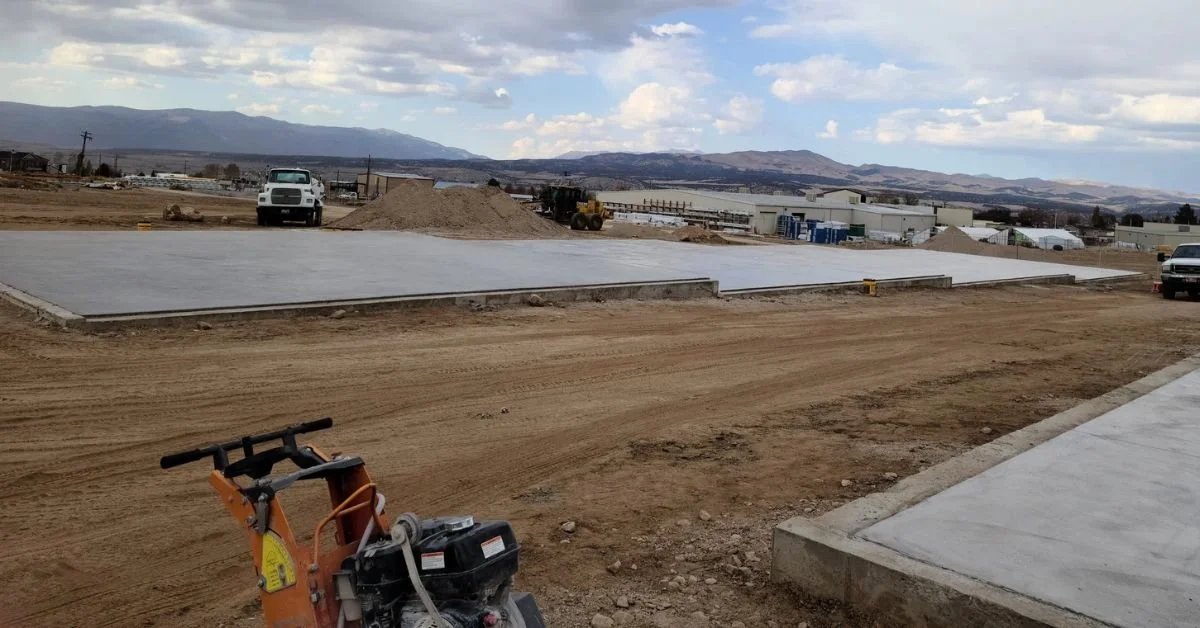
Over time, soil naturally settles, but proper grading and compaction minimize this movement. If concrete is poured over ungraded, loose soil, the slab’s weight will compress the dirt unevenly, leading to sinking in certain areas. This can cause buckling, breakage, and trip hazards, making the surface unsafe.
Grading involves compacting the soil to eliminate air pockets and create a dense, stable base that resists movement. By addressing these issues upfront, contractors can reduce the likelihood of uneven settling and extend the lifespan of the concrete.
Minimizes Structural Cracks
Cracks are one of the most common complaints in concrete projects, and they are almost always due to poor ground preparation. Concrete is rigid and doesn’t flex when the ground beneath it shifts. If the soil expands, contracts, or moves, the stress transfers to the concrete, resulting in cracks.
Grading prevents these issues by creating a stable subgrade. Removing organic materials such as roots and replacing soft spots with structural fill ensures the concrete rests on a solid foundation. This significantly reduces tension on the slab, keeping it smooth and intact for decades.
Facilitates Proper Curing Conditions
How concrete cures directly impacts its strength and durability. If poured onto dry, uneven soil, the ground will absorb moisture from the concrete too quickly, causing shrinkage cracks and a weak surface. On the other hand, overly wet soil slows the curing process, delaying the project and weakening the slab.
Grading allows contractors to assess and adjust soil moisture levels before pouring. This ensures the slab cures properly, reaching its full design strength without premature cracking or surface imperfections.
Complies With Building Codes
Municipal building codes often include strict requirements for site preparation to ensure safety and durability. Inspectors look for specific slopes and compaction ratings before approving a pour. Ignoring these standards can lead to failed inspections, project delays, and additional costs for re-grading the site.
Adhering to proper grading practices not only prevents these issues but also ensures compliance with local regulations. This keeps the project on schedule and avoids unnecessary interruptions.
Protects Surrounding Landscaping and Hardscaping
Concrete projects don’t exist in isolation—they interact with the surrounding environment. Poor grading can redirect runoff into flower beds, drowning plants, or onto nearby walkways, causing flooding. Worse, it can direct water onto neighboring properties, leading to disputes or liability concerns.
Professional grading integrates the new slab into the existing landscape. By carefully mapping the property’s topography, contractors ensure that water flows safely and harmoniously, protecting both the new installation and the surrounding environment.
Extends the Lifespan of the Concrete
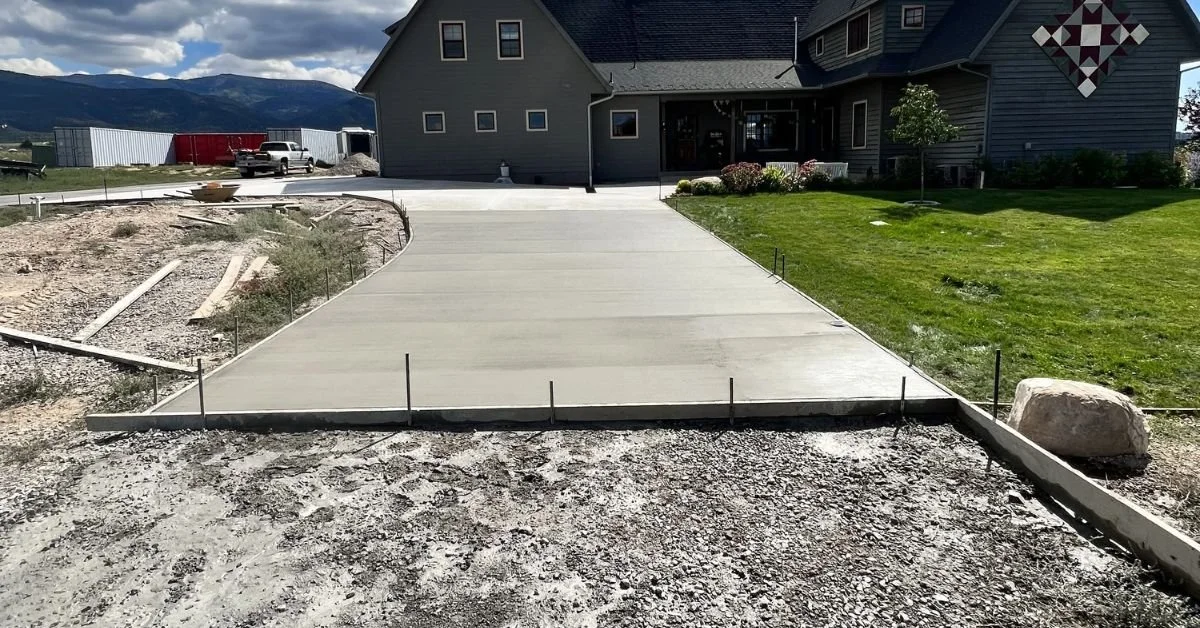
Concrete is a major investment designed to last for decades. However, a slab poured on poorly prepared ground may start to fail within just a few years. Problems such as cracking, heaving, and sinking often require costly repairs—or even complete replacement.
Proper grading acts as an insurance policy for your project. By addressing soil conditions upfront, you eliminate the factors that contribute to premature wear. A well-graded base ensures the slab withstands heavy loads, freeze-thaw cycles, and water damage, maintaining its functionality and appearance for generations.
Saves Money on Repairs and Remediation
Attempting to save money by skipping grading is a false economy. Fixing issues caused by poor preparation, such as sinking slabs or cracking, is far more expensive than doing the job right the first time. Even temporary fixes such as mudjacking or epoxy injections are costly and often unsightly.
Proper grading prevents these problems, protecting your investment and saving you money in the long run. It eliminates the need for expensive repairs and ensures the concrete remains a durable and valuable asset.
Optimizes Aesthetic Appeal
While functionality is the priority, aesthetics also matter. Concrete that follows the natural contours of the land looks intentional and professional. Proper grading ensures clean edges, smooth transitions, and consistent slopes, creating a polished, visually appealing result.
Visual Harmony: Slabs sit at the correct height relative to doors and gates.
Sharp Edges: Precise grading allows for neat, straight formwork.
Consistent Slopes: Driveways and patios have subtle, intentional pitches rather than uneven waves.
Grading provides the foundation for a flawless finished product that looks as good as it performs.
Build on Solid Ground
The success of any concrete project begins long before the first truck arrives. Proper site grading is an essential engineering process that ensures stability, drainage, and durability. By prioritizing this step, you protect your project from water damage, cracking, and settling, while also ensuring compliance with building codes and maintaining a seamless integration with the surrounding environment.
If you want your concrete installation to stand the test of time, contact our team of professional concrete construction contractors today. Let us help you lay the groundwork for a successful project.