Trenching Services Explained: When and Why You Need Them
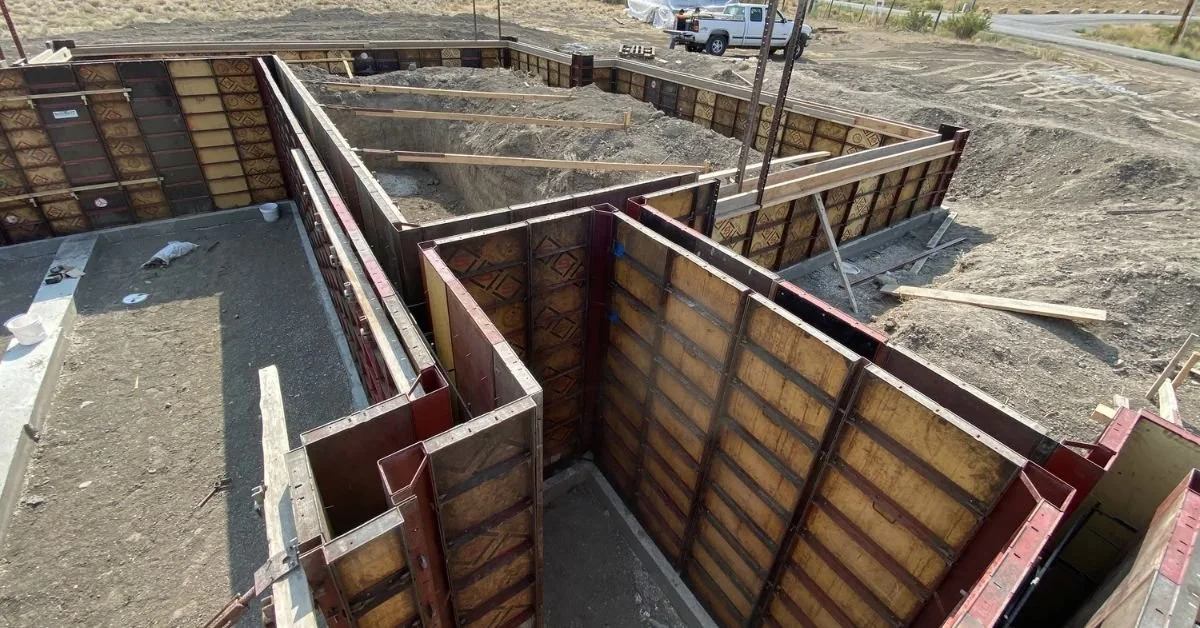
Underground construction work is complex. Before a new building rises or utilities connect, specialized excavation prepares the ground below. Trenching is one of the most critical aspects of this preparation. It involves creating a narrow, deep excavation used primarily for placing infrastructure below grade. While it may look like simple digging to the untrained eye, trenching requires precision, safety protocols, and specialized equipment to execute correctly.
Understanding the specifics of trenching helps property owners and project managers plan effectively. It ensures that the necessary groundwork supports the long-term functionality of utilities and structural foundations. This article examines when and why you need trenching services and the importance of hiring professionals to handle the job.
Understanding the Basics of Trenching
A trench is defined as a narrow excavation made below the surface of the ground. In general, the depth is greater than the width, but the width of a trench (measured at the bottom) is not greater than 15 feet. Trenching differs from general excavation, which typically involves moving earth to create building foundations or large reservoirs.
The primary purpose of trenching is to provide a protected pathway for underground utilities. This method keeps essential services safe from surface damage and environmental exposure. It also maintains the aesthetic appeal of a property by keeping unsightly pipes and cables out of view.
Installing Utility Lines for Water and Sewer
One of the most common applications for trenching involves water and sewer systems. Municipalities and private property owners rely on trenching to install the pipes that carry fresh water to buildings and transport wastewater away. These lines must be buried at specific depths to prevent freezing in colder climates and to protect them from the weight of surface traffic.
Proper trenching ensures these pipes have adequate support and appropriate bedding material. This prevents the pipes from shifting, cracking, or collapsing over time. Without professional trenching, water lines remain vulnerable to environmental stress, leading to costly leaks and service interruptions.
Laying Electrical and Telecommunication Cables
Modern infrastructure depends heavily on electricity and high-speed communication. Trenching provides a secure environment for electrical conduits and fiber-optic cables. Burying these lines protects them from wind, ice, and falling trees, which are common causes of power outages with overhead lines.
Underground installation also improves safety by reducing the risk of accidental contact with live wires. For telecommunications, trenching offers a stable environment that minimizes signal interference and physical damage. This reliability is crucial for businesses and residences that require consistent power and data connectivity.
Creating Drainage Systems to Manage Water Flow
Effective water management prevents structural damage and soil erosion. Trenching plays a vital role in installing drainage systems such as French drains, storm sewers, and culverts. These systems collect and redirect surface water and groundwater away from foundations and low-lying areas.
A well-designed drainage trench includes a perforated pipe surrounded by gravel or rock. This setup allows water to enter the pipe while filtering out sediment. By controlling water flow, property owners protect their investments from flooding and moisture-related issues such as mold and rot.
Establishing Foundations for Retaining Walls
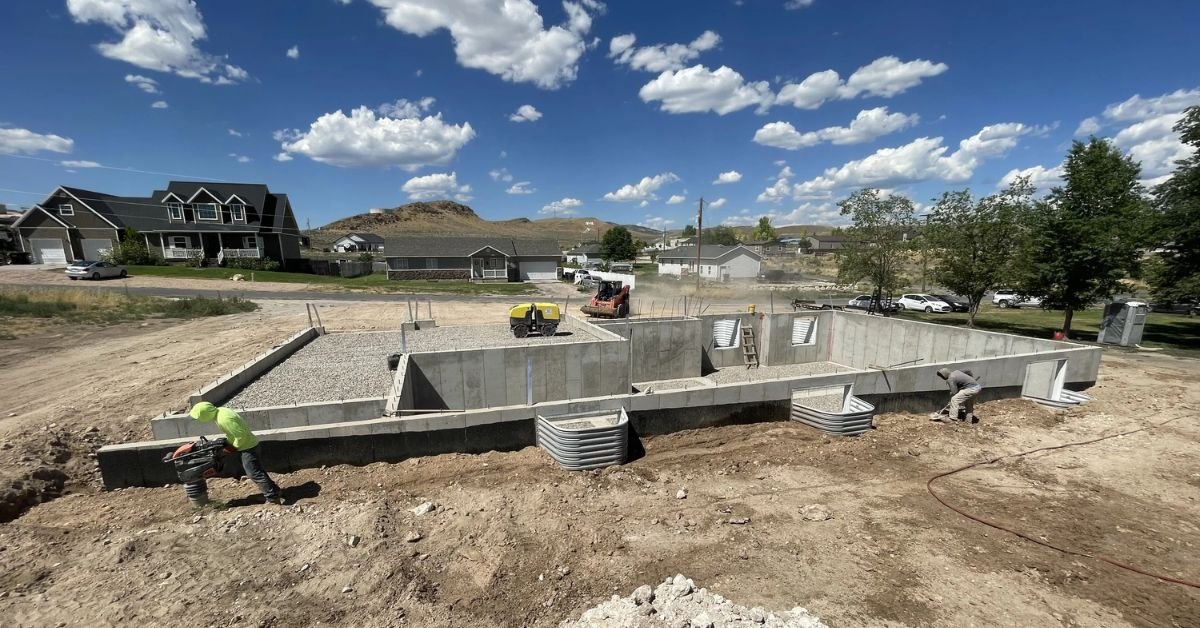
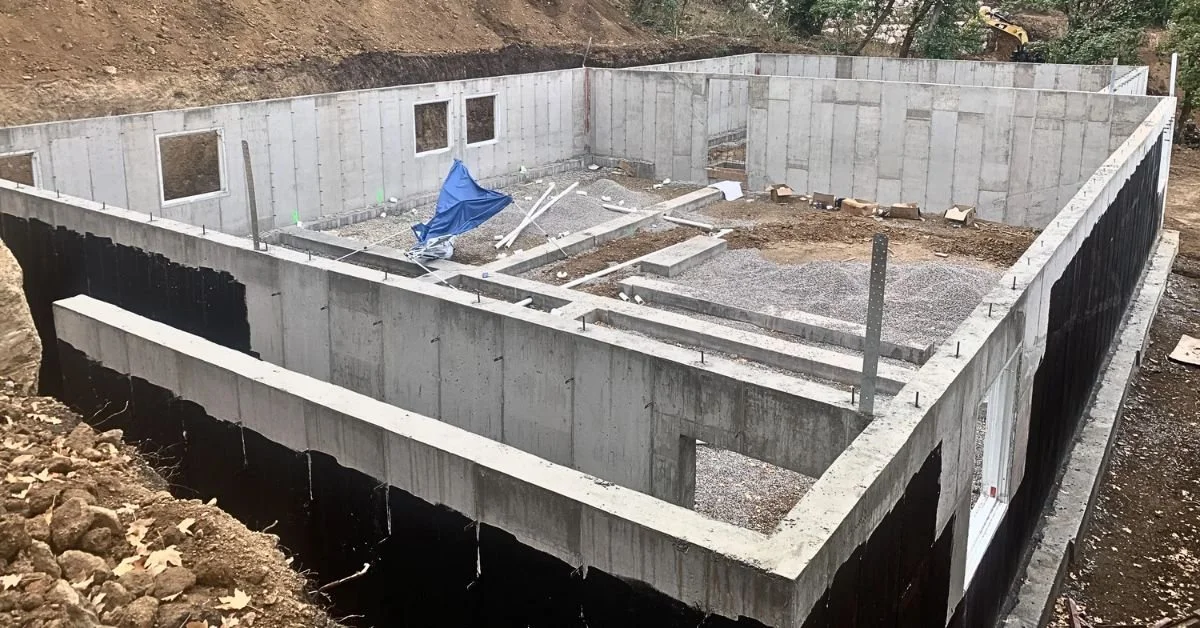
Retaining walls require a stable footing to hold back soil and resist pressure. Trenching creates the necessary excavation to pour concrete footings or install base materials for these structures. The depth and width of the trench depend on the height of the wall and the type of soil.
precise trenching ensures the footing sits below the frost line, preventing frost heave from shifting the wall. It also allows for the installation of drainage pipes behind the wall, further reducing hydrostatic pressure. This preparation is essential for the longevity and structural integrity of any retaining wall project.
Installing Irrigation Systems for Landscaping
Large-scale landscaping projects often require automated irrigation systems to maintain plant health. Trenching allows for the installation of the main supply lines and lateral pipes that feed sprinkler heads and drip emitters.
Burying these pipes prevents tripping hazards and protects the equipment from lawn mowers and foot traffic. Professional trenchers create clean, narrow cuts that minimize disturbance to existing turf and soil structure. This efficiency speeds up the installation process and allows the landscape to recover quickly.
Repairing or Replacing Existing Underground Utilities
Infrastructure ages and eventually requires maintenance or replacement. Trenching provides access to damaged or outdated pipes and cables without excavating the entire site. This targeted approach reduces costs and minimizes disruption to the surrounding area. Contractors use specialized locating equipment to identify the exact position of the utility before digging. Once exposed, the repair team can fix leaks, replace sections of pipe, or upgrade electrical capacity.
Facilitating Geothermal Heating and Cooling Systems
Geothermal systems use the stable temperature of the earth to heat and cool buildings. Horizontal loop systems require extensive trenching to bury the piping network that exchanges heat with the ground.
These trenches must be deep enough to reach soil with consistent temperatures and spaced correctly to maximize efficiency. The layout and execution of this trenching directly impact the performance of the geothermal system. Proper installation results in significant energy savings and a reduced carbon footprint for the building.
Improving Site Safety and Aesthetics
Overhead lines create visual clutter and pose safety risks during storms or accidents. relocating these utilities underground through trenching enhances the visual appeal of a property. It opens up sightlines and allows for more flexible landscaping and architectural design.
From a safety perspective, underground utilities are less susceptible to vandalism and accidental damage. This security is particularly important for commercial properties and public spaces where reliability and safety are paramount.
Compliance With Local Codes and Regulations
Construction projects must adhere to strict local, state, and federal regulations. Trenching operations are subject to specific safety standards, particularly those set by OSHA (Occupational Safety and Health Administration). These rules dictate protective systems for trenches deeper than five feet to prevent cave-ins.
Professional trenching services ensure compliance with these regulations. They understand soil classifications, sloping requirements, and shoring techniques. This adherence protects workers and avoids legal liabilities and fines for the property owner. It also ensures that the installation meets all utility code requirements for depth and separation.
Analyzing Soil Conditions for Stability
Soil composition varies significantly from one site to another. Sandy soil behaves differently than clay or rocky ground. Trenching professionals analyze soil conditions to determine the best excavation method and the necessary safety precautions.
Unstable soil requires additional support measures to maintain trench walls. Encountering rock may necessitate specialized equipment such as trenchers with rock teeth or hydraulic breakers. Understanding the soil profile prevents delays and ensures the trench remains stable throughout the installation process.
Why Professional Execution Matters
Trenching is inherently dangerous work. Cave-ins pose a serious threat to workers and can happen in an instant. Professional contractors possess the training and equipment to mitigate these risks. They use trench boxes, hydraulic shoring, and proper sloping to create a safe work environment.
Beyond safety, professionals deliver precision. Utilities rely on gravity flow or specific grades to function correctly. A trench that is too shallow or uneven can lead to system failures. Professionals use laser levels and GPS technology to ensure the excavation meets the exact specifications of the design.
Knowing when and why you need trenching services helps you make informed decisions for your construction or renovation project. Whether installing new utilities, upgrading drainage, or preparing for a foundation, the quality of the trenching determines the success of the installation.
Next Steps for Your Project
Correctly executed trenching provides the backbone for essential infrastructure. It requires a combination of technical knowledge, safety compliance, and precise equipment operation. Attempting this work without professional assistance risks safety, legality, and system performance.
If you are planning a project that involves underground utilities or site preparation, consult with experts who understand the complexities of excavation. Partner with the experienced new construction contractors at Corona Construction to ensure your project starts on solid ground and meets all necessary standards for safety and durability.