Understanding the Role of Footings in Concrete Construction
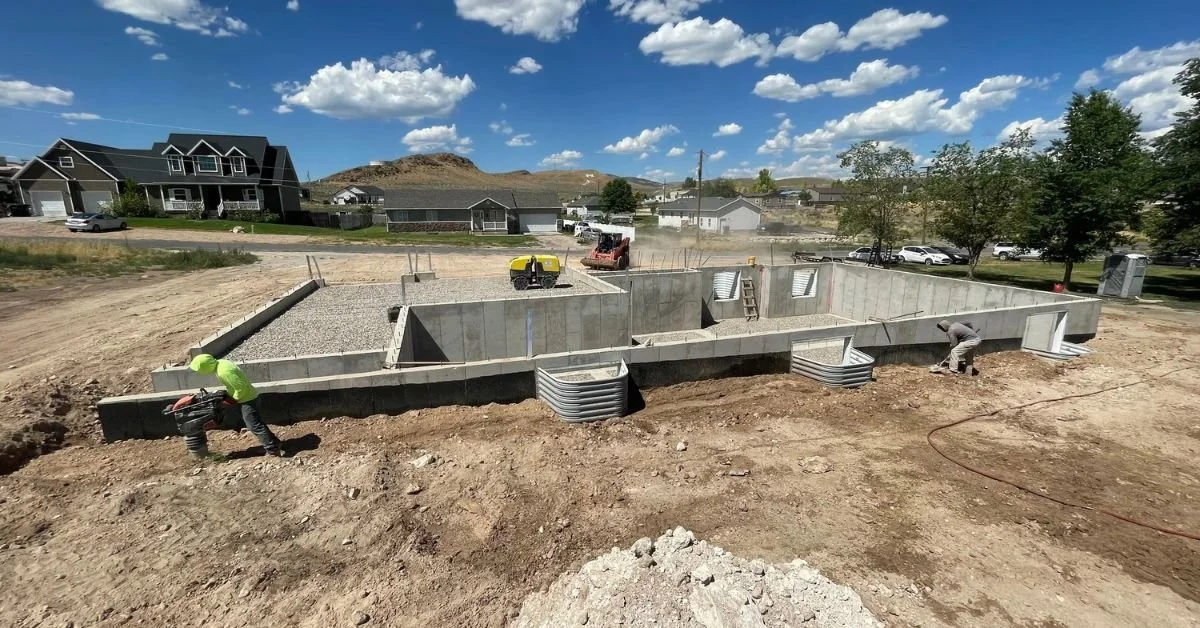
A solid foundation is the most critical component of any durable structure. At the base of this foundation lies the footing, an essential element that ensures stability and longevity. A properly designed and installed footing distributes the building's load to the soil beneath, preventing settlement and structural failure. Fully understanding the role of footings in concrete construction is the first step toward a successful and lasting project.
Footings act as the intermediary between the structure and the ground. Without them, the concentrated weight from columns and walls would press directly into the soil, leading to uneven settling, cracks in the foundation, and potentially catastrophic structural damage. This makes the footing a non-negotiable part of modern construction, providing the necessary support to keep buildings safe and upright for decades.
What Are Concrete Footings?
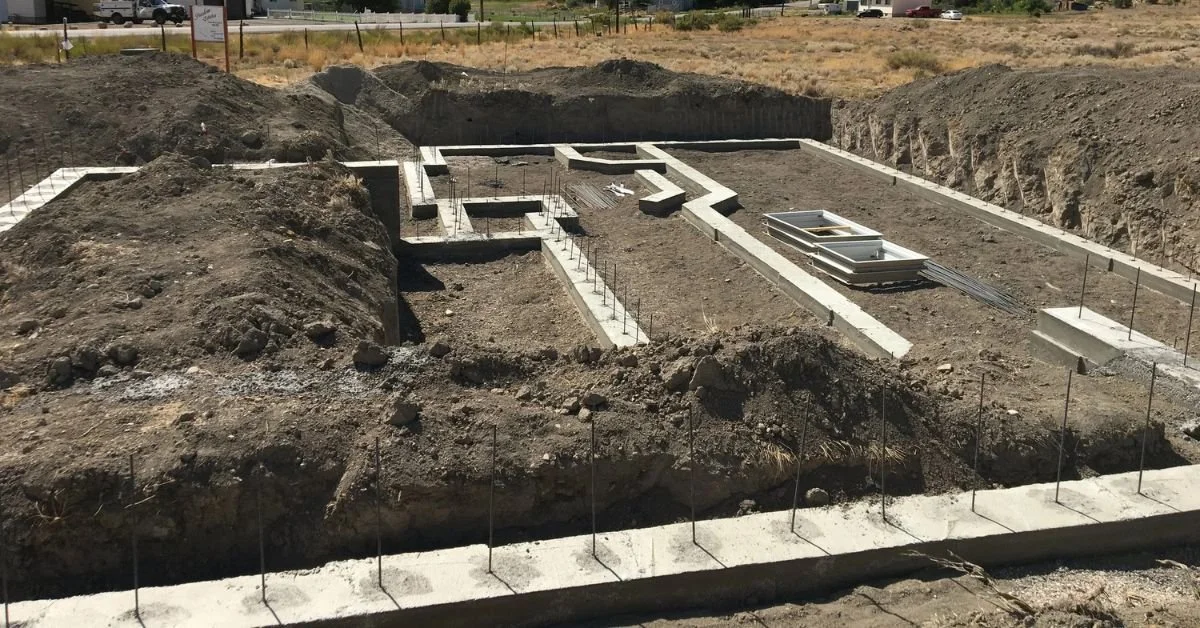
Concrete footings are structural elements that transmit the load of a building from the foundation directly to the underlying soil. Typically constructed from reinforced concrete, they are wider than the foundation walls they support. This increased surface area is crucial, as it spreads the building's weight over a larger section of ground, reducing the pressure exerted on the soil. This distribution prevents the soil from compressing under the load, which would cause the structure to sink or settle.
How Do Footings Support a Structure?
Footings provide support by creating a stable base that evenly distributes the building's dead and live loads. Dead loads include the weight of the structure itself, such as walls, floors, and roofs. Live loads are temporary forces, such as furniture, occupants, and environmental factors like snow. The footing takes these combined loads from the foundation walls and columns and spreads them across a wide area of soil, ensuring the ground's bearing capacity is not exceeded.
Why Are Footings Essential?
Footings are essential for preventing differential settlement. This occurs when different parts of a structure settle into the ground at varying rates, causing significant stress on the building's frame. Such movement leads to cracked walls, sticking doors, and compromised structural integrity. By creating a solid, monolithic base, footings ensure the entire structure settles uniformly, if at all, protecting it from long-term damage.
What Types of Footings Exist?
Contractors use several types of footings, with the selection depending on the building's size, soil conditions, and structural design.
Spread Footings: The most common type, these footings spread the load from a column or wall over a large area. They include isolated footings for single columns and continuous strip footings for walls.
Mat or Raft Foundations: These consist of a single, thick concrete slab that covers the entire footprint of the building. They are used when soil conditions are poor or when building loads are exceptionally heavy.
Pile Footings: When the soil near the surface is too weak to support the structure, contractors drive long, slender columns known as piles deep into the ground until they reach a stable layer of soil or rock. The footings then rest on these piles.
How Is a Footing's Size Determined?
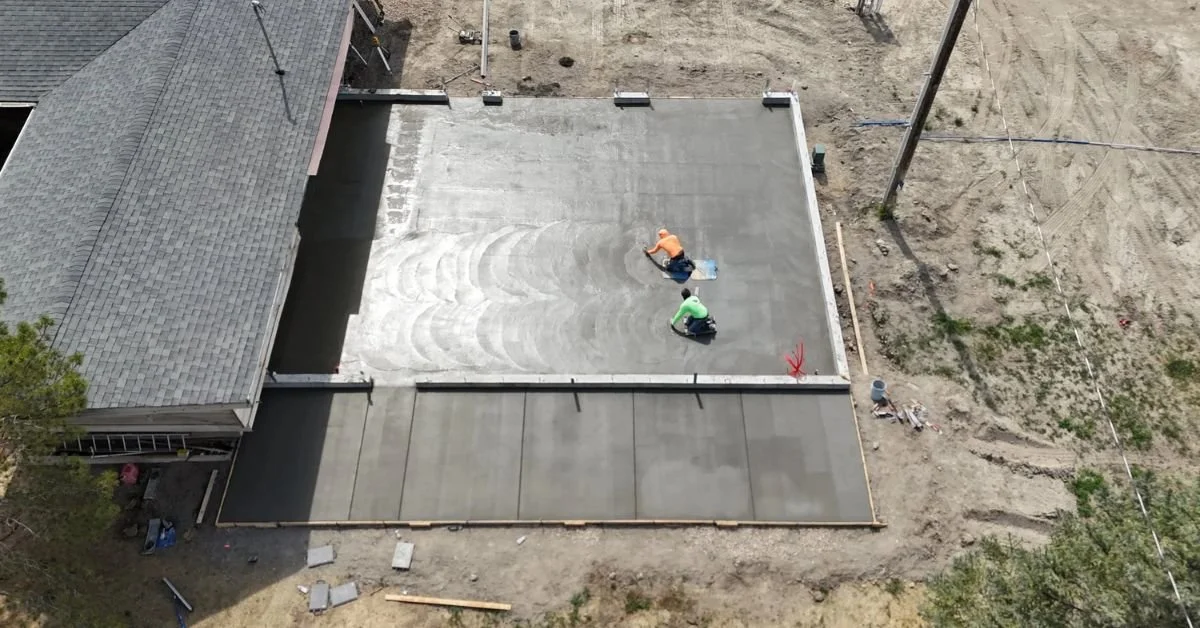
Engineers determine the appropriate size of a footing by analyzing two primary factors: the load of the building and the bearing capacity of the soil. The total weight of the structure dictates the amount of force the footing must transfer. A soil engineer then tests the ground to determine its safe bearing capacity—the maximum pressure it can withstand without significant compression. The footing must be large enough to distribute the building's load so that the pressure on the soil remains below this capacity.
What Is the Role of Reinforcement?
Steel reinforcement, or rebar, is critical for giving concrete footings the tensile strength they need to resist forces that could cause them to bend or crack. While concrete has excellent compressive strength, it is weak under tension. When a footing settles or is subjected to uneven loads, it can experience bending forces. Rebar embedded within the concrete counteracts these forces, ensuring the footing remains intact and continues to provide stable support.
How Deep Should Footings Be?
Footing depth is dictated by the local climate and building codes. In regions with cold winters, footings must be placed below the frost line—the depth to which the ground freezes. If a footing is placed above the frost line, moisture in the soil can freeze, expand, and push the footing upward in a process called "frost heave." When the ground thaws, the footing settles back down. This repeated movement can cause severe structural damage. Placing the footing below the frost line ensures it rests on stable, unfrozen soil year-round.
What Are Common Footing Problems?
Improperly constructed footings can lead to a host of problems. If a footing is too small for the load it supports or the soil it rests on, it can lead to excessive and uneven settlement. Using concrete with insufficient strength or inadequate steel reinforcement can cause the footing to crack or fail. Another common issue is poor soil preparation, which can create voids beneath the footing and result in a lack of uniform support.
How Does Soil Type Affect Footings?
Soil type is a determining factor in footing design. Different soils have vastly different bearing capacities. Bedrock, for instance, can support immense loads, while soft clay or loose sand cannot. A soil investigation is necessary to classify the soil and determine its properties. Based on these findings, an engineer will design a footing system that is appropriate for the specific ground conditions at the construction site.
What Is the Construction Process?
Constructing a concrete footing involves several precise steps. First, workers excavate the soil to the required depth and width. They then install wooden or metal forms that will shape the concrete. Next, they place the steel reinforcement within the forms according to the engineering plans. Finally, they pour the concrete into the forms, ensuring it is properly consolidated to remove air pockets. After the concrete cures and gains sufficient strength, the foundation walls can be built on top of it.
Secure Your Foundation
Understanding the role of footings in concrete construction will help you see just how important they are for a safe and durable structure. Because of their critical role, this work should only be entrusted to seasoned professionals. If you are planning a project, partner with Corona Construction. Contact our concrete footing contractors today to discuss your needs and ensure your structure starts with the strongest possible foundation.