
What To Know About Site Prep Before Building a Home
Learn the essential steps of site preparation before building a home. This overview covers everything from land clearing and soil testing to final grading.
Building a new home is a significant undertaking, and the success of the entire project rests on a properly prepared foundation. Before any framing goes up or concrete is poured, the land itself must be meticulously readied. This process, known as site preparation, involves a series of critical steps that ensure the stability, safety, and longevity of your future home. A failure to properly prepare a site can lead to costly structural problems, drainage issues, and other complications down the line.
There are a variety of things that prospective homeowners need to know about site prep before building a home. The scope of tasks that must be completed before the project begins encompasses everything from clearing the land and grading the soil to installing necessary utilities. Each stage requires precision and expertise to create a build-ready plot. This overview details the crucial steps involved in getting your land ready for construction, providing key insights into one of the most important phases of building a new home.
The Importance of a Professional Land Survey
Before any physical work begins, you must obtain a professional land survey. A licensed surveyor will mark your property’s boundaries, identify the locations for the future foundation, and note any existing easements or public right-of-ways. This survey provides the official blueprint for all subsequent site preparation activities and prevents potential legal disputes with neighbors. It also helps the construction team visualize the home’s exact placement and orientation on the lot.
Clear the Land of All Obstructions
With the survey complete, the next step is clearing the land. This involves removing all obstructions from the build site, including trees, boulders, large rocks, and vegetation. Depending on the density of the foliage and the size of the objects, this may require heavy machinery such as bulldozers and excavators. The goal is to create a clean slate, ensuring there are no organic materials left behind that could decompose and compromise the stability of your foundation.
Demolish and Remove Existing Structures
If your property has any old structures, such as a shed, a previous home, or an old foundation, they must be demolished and completely removed. This process requires careful planning to keep the process safe and in accordance with local regulations. Debris from the demolition must be properly disposed of, leaving the site clear for the new construction. All remnants of old foundations and underground components must be extracted to prevent future settling issues.
Conduct a Thorough Soil Test
A soil test, or geotechnical report, is one of the most important aspects of site prep before building a home. This analysis reveals the composition, stability, and drainage capacity of your soil. The results determine if the soil can support the weight of your home or if it requires amendment. For example, expansive clay soils may need to be mixed with other materials to prevent shifting, while sandy soils might require extra compaction.
Grade the Site for Proper Drainage
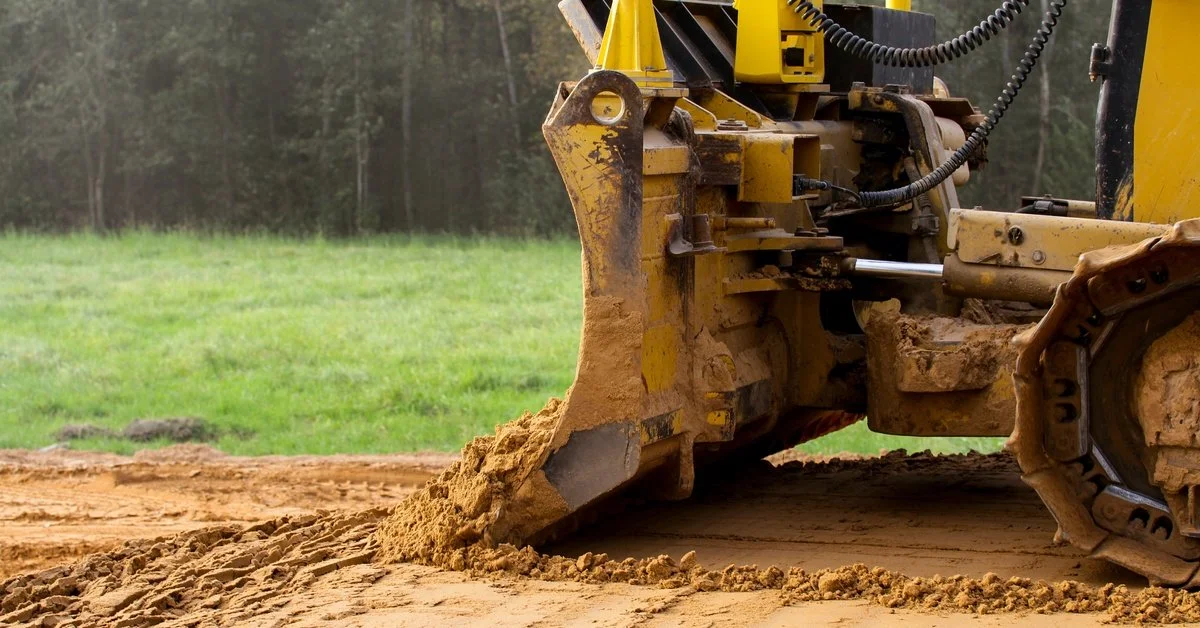
Proper grading is essential for managing water flow around your future home. The land must be shaped to create a gentle slope that directs rainwater and melting snow away from the foundation. This prevents water from pooling near the structure, which can lead to basement flooding, soil erosion, and costly water damage. Excavators and bulldozers are used to move earth, creating the precise contours needed for effective drainage across the entire property.
Level the Building Pad for the Foundation
Once the site is graded, the specific area where the house will sit, known as the building pad, must be perfectly leveled and compacted. This step creates a solid, stable surface for the foundation. The soil is compacted in layers using heavy rollers to increase its density and load-bearing capacity. An improperly compacted building pad can lead to uneven settling of the foundation, causing cracks in walls and other structural failures over time.
Bring in Fill Dirt if Necessary
In some cases, the existing soil may not be suitable for creating a stable building pad, or the site may need to be raised to achieve the desired elevation for proper drainage. In these situations, fill dirt is brought in. This material is specifically chosen for its compaction qualities and is used to build up the site to the required level before the final leveling and compaction process.
Excavate for the Foundation and Footings
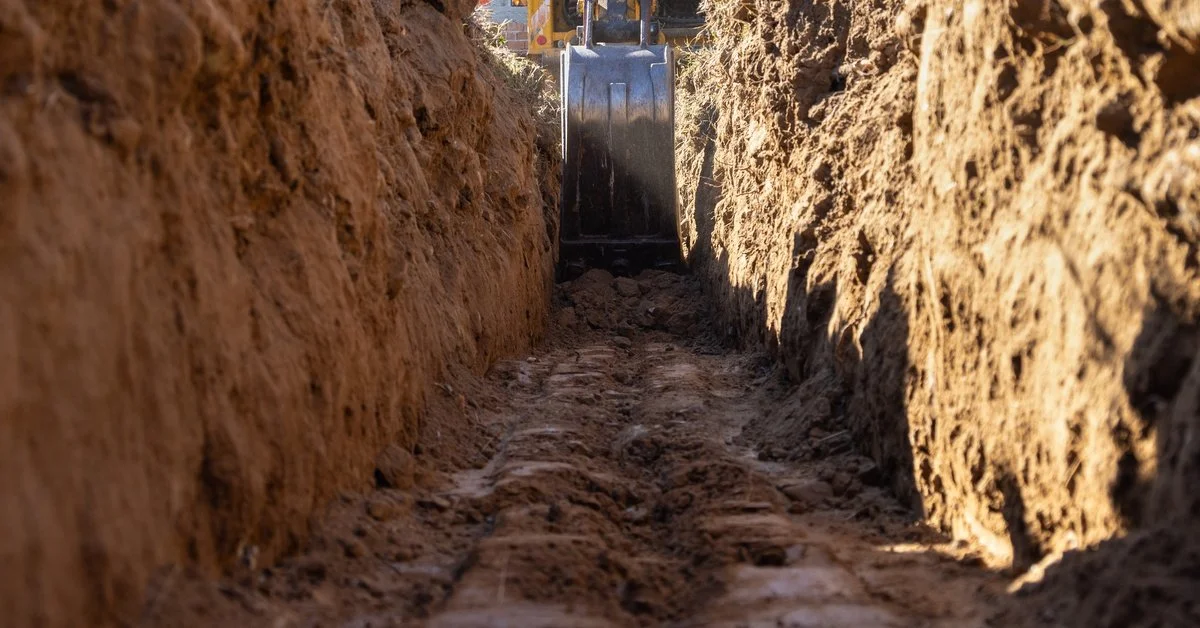
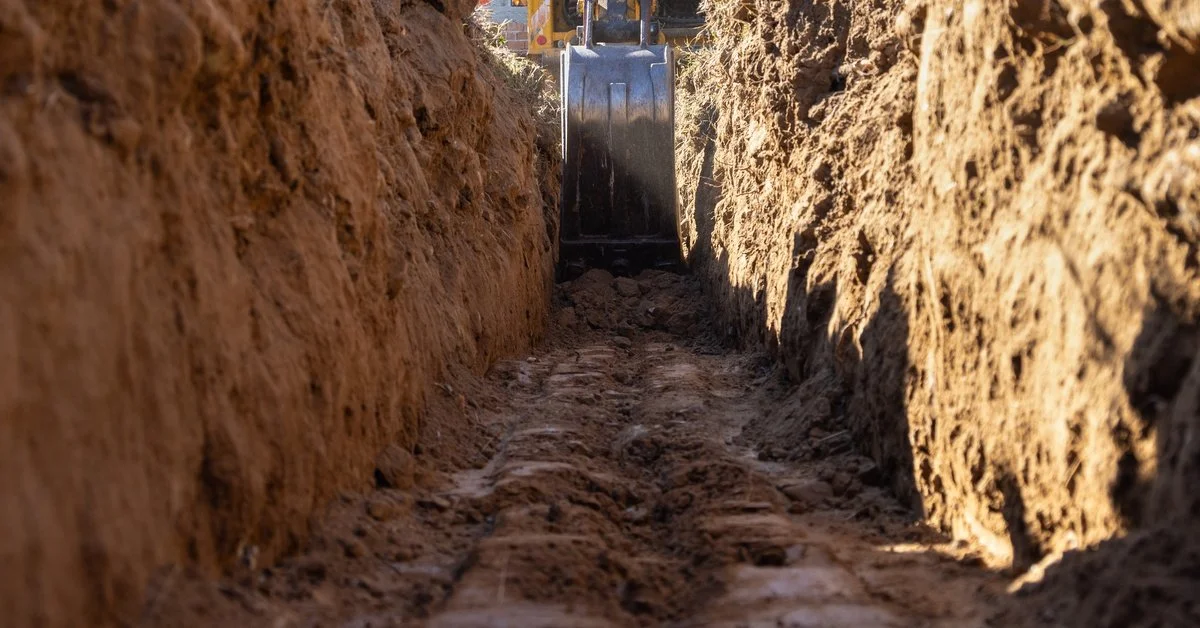
With the building pad prepared, the next phase is to excavate the area for your home’s foundation. This involves digging trenches for the footings and, if applicable, excavating the space for a basement or crawl space. The depth and dimensions of the excavation must be precise, following the specifications outlined in the architectural plans. This is a crucial step that directly impacts the structural integrity of your home.
Install Temporary Utilities and Site Access
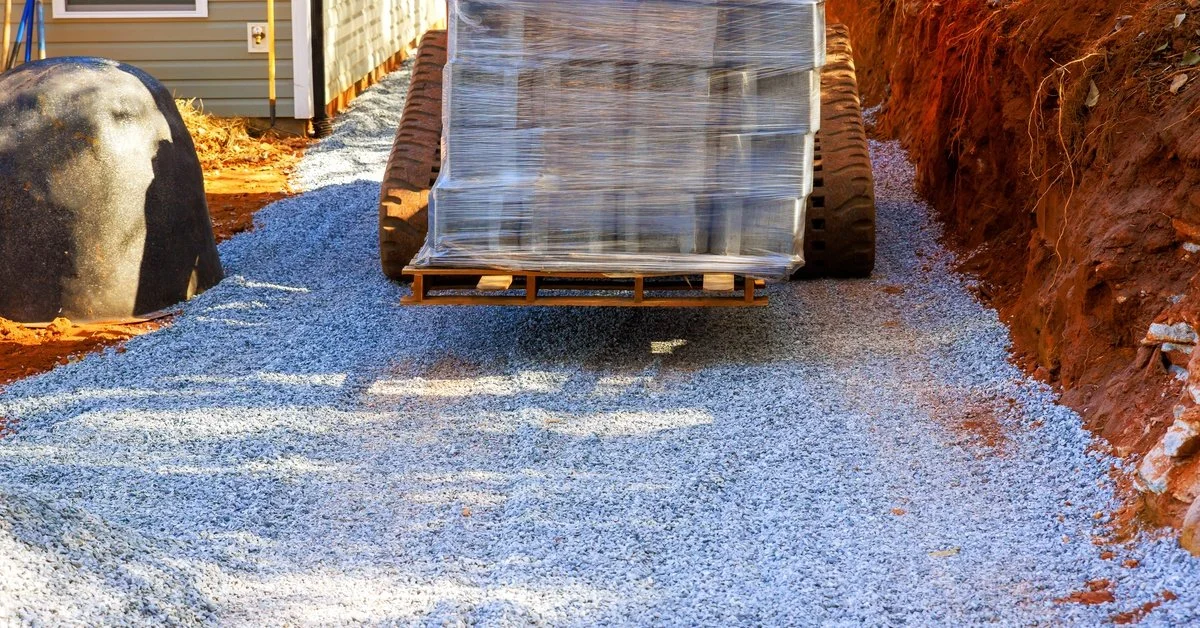
Before major construction begins, your team will need access to temporary utilities such as electricity and water. A temporary power pole is often installed, and a water source is established for construction purposes. Additionally, a temporary access road may be constructed using gravel to allow heavy machinery and delivery trucks to reach the site without getting stuck in mud or damaging the property.
Set up and Run Utility Lines
One of the final stages of site prep involves installing permanent utility lines. Trenches are dug to lay the conduits and pipes for gas lines, electrical wiring, telecommunication cables, and water and sewer lines. These trenches must be dug to specific depths and locations to comply with local building codes and ensure they do not interfere with the foundation.
Your Home’s Future Starts Here
Proper site preparation is the foundation of a successful home build. Each step, from the initial survey to the final utility installation, is critical for ensuring your home is safe, stable, and built to last. By understanding these essential stages, you can ensure your project starts on solid ground.
If your build requires expert excavation for foundations or utilities, partner with a team that has the right equipment and experience. Contact Corona Construction today to learn more about our professional trenching services and get your project started correctly.
Why You Should Hire Concrete Flatwork Professionals
Discover why professional concrete flatwork contractors deliver superior results. Learn about proper preparation, grading, and finishing techniques.
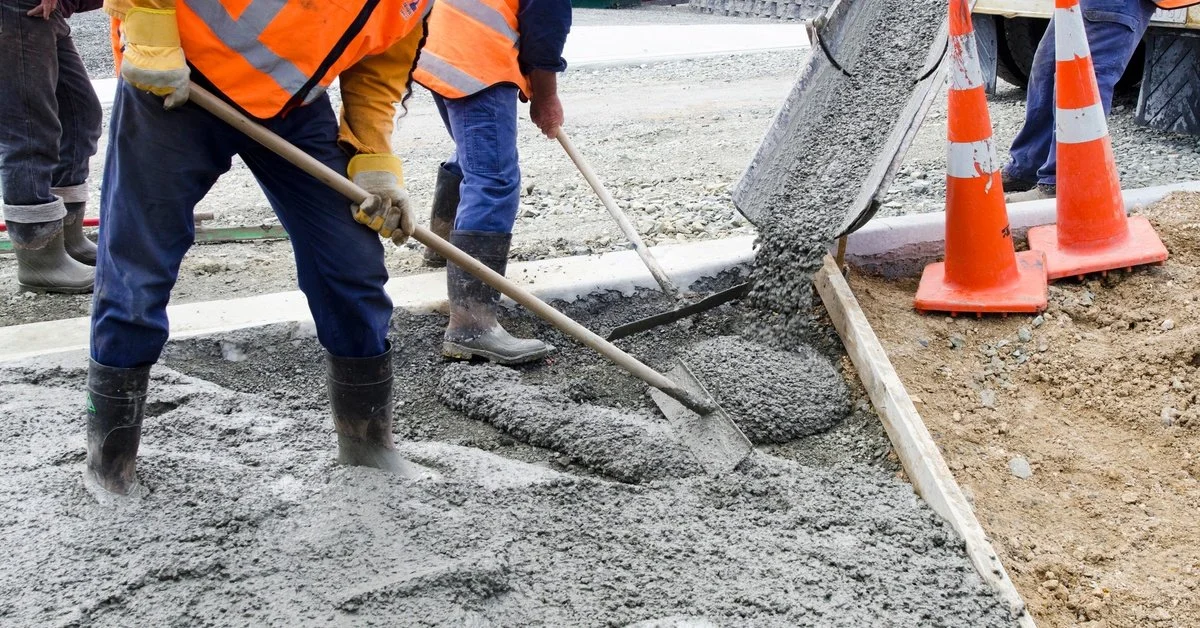
Concrete flatwork forms the foundation of many essential structures around your property. From driveways and sidewalks to patios and garage floors, these surfaces endure constant use and exposure to the elements. While some homeowners consider tackling these projects themselves, the complexity and long-term implications of concrete work demand professional expertise.
There are a variety of reasons why you should hire concrete flatwork professionals, including gaining access to their technical knowledge and specialized equipment. Ultimately, your decision will affect both the immediate appearance of your property and its long-term value and functionality.
Proper Site Preparation Prevents Future Problems
Professional concrete contractors begin every project with thorough site preparation. They assess soil conditions, drainage patterns, and load-bearing requirements to create a stable base for your flatwork. This process involves removing organic material, compacting the subgrade, and installing proper base materials.
Without adequate preparation, concrete surfaces develop cracks, settling, and structural failures within months or years. Professionals understand local soil conditions and climate factors that affect concrete performance. They know when additional reinforcement or drainage solutions are necessary to prevent future damage.
Precise Grading Ensures Proper Drainage
Water management is critical for concrete flatwork longevity. Professionals use laser levels and precision grading tools to create the correct slope for water runoff. Even small errors in grading can lead to pooling water, which accelerates concrete deterioration and creates safety hazards.
Ultimately, proper drainage prevents:
Water infiltration beneath the concrete slab
Ice formation in cold weather
Erosion of base materials
Premature surface degradation
Contractors understand building codes and regulations regarding drainage requirements. They incorporate these standards into every project to ensure compliance and optimal performance.
Professional Mix Design Matches Project Requirements
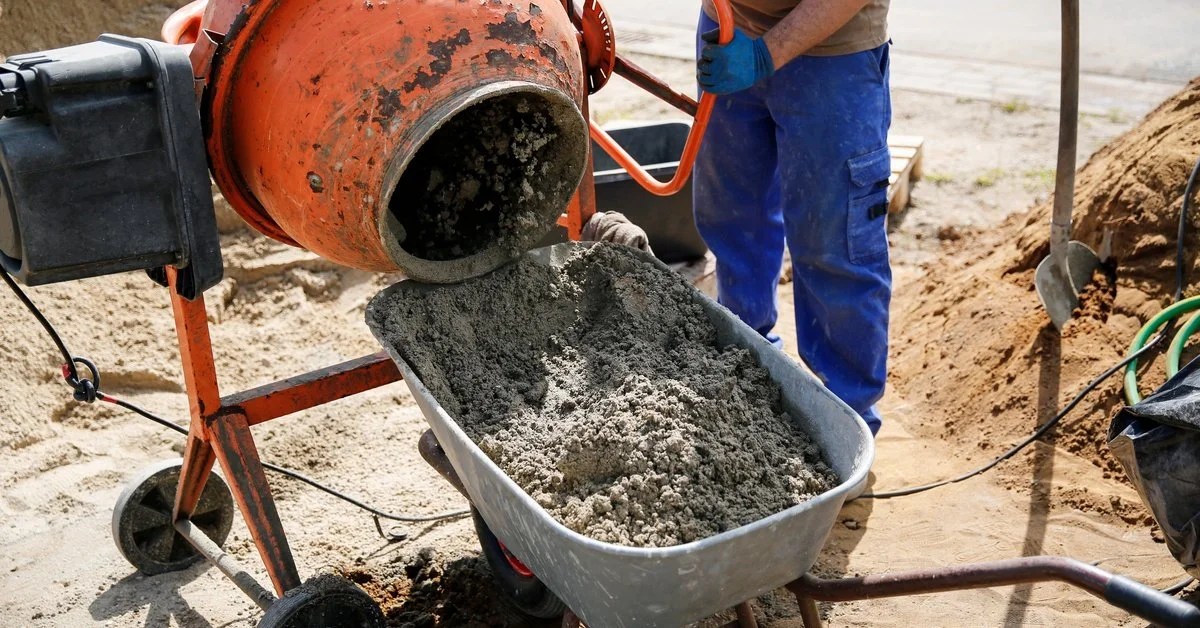
Concrete isn't a one-size-fits-all material. Different applications require specific mix designs with varying strengths, workability, and setting times. Professionals select the appropriate concrete mixture based on your project's unique demands.
A driveway that supports vehicle traffic needs different concrete specifications than a decorative patio. Professionals factor in local climate conditions, including freeze-thaw cycles and temperature extremes, when selecting mix designs. They also determine the correct admixtures to enhance durability, workability, or setting characteristics.
Proper Reinforcement Extends Service Life
Steel reinforcement significantly improves concrete's tensile strength and crack resistance. Professional contractors know where to place rebar or wire mesh to maximize structural performance. They understand spacing requirements, proper positioning within the slab, and tie-off techniques that prevent shifting during the pour.
The placement of control joints also requires professional expertise. These intentional weak points direct cracking to predetermined locations, maintaining a clean appearance while accommodating concrete's natural tendency to crack as it cures and experiences thermal movement.
Expert Finishing Creates Durable Surfaces
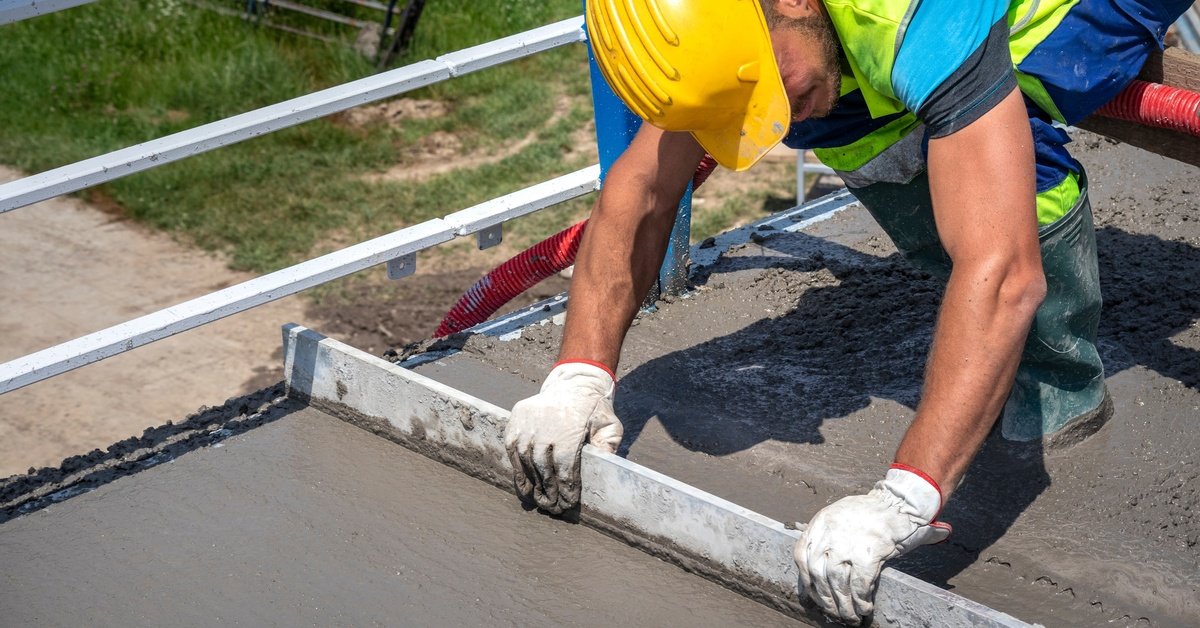
The finishing process determines both the appearance and functionality of concrete flatwork. Professionals use specialized tools and techniques to achieve the desired texture and surface characteristics. They understand timing—finishing too early or too late compromises surface quality and durability.
Professional finishing techniques include:
Float work to create a smooth, level surface
Broom finishing for slip resistance
Edging and jointing for clean lines
Proper curing methods to maximize strength
Each finishing step requires skill and experience to execute correctly. Rushed or improper finishing leads to scaling, spalling, and premature surface deterioration.
Specialized Equipment Produces Superior Results
Professional concrete contractors invest in specialized equipment that homeowners don't typically own. Power screeds, bull floats, plate compactors, and concrete saws enable efficient work and consistent quality. This equipment represents a significant investment that only makes economic sense for professionals who use it regularly.
Attempting concrete flatwork without proper equipment forces compromises in quality and efficiency. Professionals also maintain their equipment properly, ensuring reliable performance on every job.
Knowledge of Local Building Codes Ensures Compliance
Building codes exist to protect property owners and ensure public safety. Professional contractors stay current with local regulations governing concrete thickness, reinforcement requirements, and placement specifications. They obtain necessary permits and schedule required inspections.
Unpermitted work can create serious problems when selling your property or filing insurance claims. Code violations may require expensive remediation, including complete removal and replacement of non-compliant work.
Experience Prevents Costly Mistakes
Concrete work allows little room for error. Once poured, corrections become difficult or impossible without starting over. Professional contractors draw on years of experience to anticipate and avoid common problems. They recognize conditions that require additional preparation or modified approaches.
This experience proves invaluable when unexpected challenges arise during a project. Professionals adapt their methods to handle poor soil conditions, unexpected utility lines, or weather complications without compromising quality.
Quality Materials and Supplier Relationships
Established concrete contractors maintain relationships with quality suppliers who provide consistent, reliable materials. They purchase materials in volume at better prices than individual homeowners can access. More importantly, they know which suppliers deliver on time and stand behind their products.
Professional contractors also understand material storage and handling requirements. Improper storage of cement or aggregates can compromise concrete quality before the pour even begins.
Warranty Protection Provides Peace of Mind
Reputable concrete contractors warranty their work, providing recourse if problems develop. This protection offers significant value compared to DIY projects where you assume all risk. Professional warranties typically cover both materials and workmanship for a specified period.
Understanding why you should hire concrete flatwork professionals ultimately comes down to risk management and long-term value. The cost difference between professional and DIY work pales in comparison to the expense of repairing or replacing failed concrete.
Professional Efficiency Minimizes Disruption
Concrete projects disrupt normal property use. Professional crews complete work efficiently, minimizing inconvenience. They coordinate material deliveries, manage workflow, and handle cleanup systematically. A project that might take a homeowner several weekends often takes professionals just a few days.
This efficiency reduces the time your property remains a construction zone. It also shortens the curing period before you can use the new concrete surface.
Partner With Experienced Concrete Foundation Contractors
Quality concrete flatwork requires technical knowledge, specialized equipment, and hands-on experience that professionals develop over years in the trade. The investment in professional services protects your property value and ensures surfaces that perform reliably for decades.
When you're ready to move forward with your concrete project, hire concrete foundation contractors from Corona Construction. We demonstrate expertise, maintain proper licensing and insurance, and stand behind our work with solid warranties. Partner with us to transform your vision into durable, attractive concrete surfaces that enhance your property for years to come.

What Most Homeowners Miss in the Early Stages of Building
Discover critical early-stage building mistakes homeowners make. Learn proper planning techniques to avoid costly errors in your construction project.

Building a new home represents one of life's most significant investments, yet many homeowners enter the process unprepared for the complexities ahead. The excitement of designing your dream home often overshadows critical planning steps that determine project success. Knowing the project details and tasks that most homeowners miss in the early stages of building will help you avoid the same mistakes.
Understanding these overlooked elements prevents costly mistakes and ensures smoother construction. The decisions you make before breaking ground establish the foundation for your entire project's success.
Proper Site Analysis and Soil Testing
Most homeowners focus on the home's design but fail to acknowledge the land beneath it. Comprehensive soil testing reveals critical information about your property's building capacity. Poor soil conditions can require expensive foundation modifications or drainage systems that weren't included in your original budget.
Professional geotechnical analysis identifies soil composition, drainage patterns, and load-bearing capacity. These findings are fundamental to the success of your project as they directly impact foundation design, basement feasibility, and overall construction costs.
Realistic Budget Planning Beyond Construction Costs
Initial construction estimates rarely account for the complete financial picture. Homeowners typically budget for materials and labor but overlook numerous additional expenses that arise during building.
Essential costs often missed include:
Permit fees and inspection costs
Utility connection charges
Landscaping and site cleanup
Temporary housing during construction
Cost overruns due to design changes
Interest on construction loans
Financial experts recommend adding 20 percent to your base construction budget to accommodate these unexpected expenses.
Understanding Local Building Codes and Restrictions
Building codes vary significantly between municipalities and can dramatically affect your project scope. Setback requirements, height restrictions, and architectural guidelines may limit your design options or require costly modifications.
Homeowners who skip this research often discover mid-construction that their plans violate local regulations. Reviewing code compliance early in the project prevents expensive redesigns and construction delays.
Establishing Clear Communication Protocols
Poor communication between homeowners and contractors leads to construction disputes. Establishing clear communication expectations from the project's start prevents misunderstandings and keeps construction on track.
Define meeting schedules, progress reporting methods, and change order procedures before construction begins. Regular communication maintains project momentum and establishes trust between builders and homeowners.

Selecting the Right Construction Timeline
Many homeowners underestimate the time required to complete a construction project. When expectations don’t align with reality, stress and rushed decisions can disrupt the process. Factors such as weather delays, material shortages, and permit approvals often extend timelines in ways that homeowners rarely anticipate.
Professional contractors provide realistic timelines that reflect the project’s scope, complexity, and local conditions. By setting achievable expectations from the start, they help homeowners plan more effectively and avoid the frustration of unexpected delays. Most importantly, experienced contractors know that rushing construction leads to costly mistakes and compromised quality—issues that can undermine both the integrity and long-term value of the finished project.
Proper Contractor Vetting and Selection
Choosing contractors based solely on price often leads to significant problems. Proper contractor evaluation requires examining licenses, insurance coverage, references, and previous work quality. Taking the time to assess each contractor’s reputation and reliability can prevent costly mistakes and ensure smoother project execution.
Thorough contractor vetting protects your investment and ensures professional workmanship. Request detailed contracts that specify materials, timelines, and quality standards before signing agreements. Comprehensive documentation and communication about the scope of the project establishes accountability and trust.
Planning for Change Orders and Modifications
Even well-planned construction projects require modifications during building. Design changes, material substitutions, and unforeseen site conditions generate change orders that affect both cost and timeline.
Establishing change order procedures early prevents disputes when modifications become necessary. Clear documentation and approval processes protect both homeowner and contractor interests.
Material Selection and Lead Time Considerations
Popular building materials often have extended lead times that can delay construction if not ordered early. Custom windows, specialty fixtures, and engineered materials require advance planning to maintain project schedules.
Early material selection and ordering prevents construction delays that increase costs and extend timelines. Work with your contractor to identify long-lead items and place orders promptly.
Utility Planning and Infrastructure Requirements
New construction requires careful coordination with utility providers for electrical, gas, water, and sewer connections. These services often require proactive scheduling and may involve additional costs not included in base construction estimates.
Utility coordination should begin during the design phase to ensure proper placement and avoid conflicts with other construction elements. Establishing these connections in advance also streamlines inspections and ensures your project meets all safety and regulatory requirements.

Quality Control and Inspection Protocols
Regular quality inspections throughout construction are important for identifying problems before they become expensive fixes. While many homeowners assume that contractors manage all aspects of quality control, active owner involvement ensures workmanship, materials, and finishes meet agreed-upon standards.
Scheduling routine walk-throughs at key milestones, such as framing, electrical, and finishing stages, allows for timely adjustments. Thorough documentation of inspections and any corrections made provides an added layer of protection for your investment, helping to maintain accountability and uphold the long-term integrity of the finished project.
Weather and Seasonal Construction Considerations
Weather significantly affects construction schedules and material performance. Starting construction during inappropriate seasons can delay completion and compromise work quality.
Understanding seasonal construction limitations helps establish realistic timelines and prevents weather-related delays and complications. Discussing optimal start times with your contractor ensures that key phases of work, such as foundation pouring or exterior finishing, occur under the most favorable conditions for durability and performance.
Long-Term Maintenance Planning
Construction decisions affect long-term maintenance requirements and costs. Material choices, system designs, and architectural details all influence ongoing maintenance needs that homeowners rarely consider during building.
Forward-thinking design choices reduce lifetime ownership costs while maintaining your home's value and performance over time. Collaborate with your contractor and designer to select durable, low-maintenance materials that will remain efficient and beautiful for years to come.
Ready to Start Your Construction Project?
Understanding what most homeowners miss in the early stages of building positions you for construction success. Proper planning, realistic expectations, and professional guidance create the foundation for your dream home project.
At Corona Construction, our new construction contractors provide the expertise and experience necessary to navigate these complex early-stage decisions. From early planning to project completion, we make sure your build starts strong, stays on schedule, and meets the highest standards of quality. Contact us today to learn how our team can bring your vision to life with precision and care.
When To Call an Excavation Contractor for Residential Work
Learn when to hire professional excavation contractors for your home projects. From foundations to utilities, discover when DIY isn't enough.
Excavation work forms the foundation of countless residential projects, from simple landscaping improvements to major home additions. Knowing when to call an excavation contractor for residential work can save homeowners time, money, and potential safety hazards. Professional excavation contractors possess the specialized equipment, expertise, and licensing required to handle earth-moving projects safely and efficiently.
Many homeowners underestimate the complexity of excavation work, assuming they can handle smaller projects independently. However, many projects require knowledge of soil conditions, utility locations, drainage systems, and local building codes. Professional contractors understand these intricacies and can prevent costly mistakes that might occur with amateur attempts.
Recognizing the right time to contact excavation professionals ensures your residential project proceeds smoothly and meets all safety and regulatory requirements. The following situations clearly indicate when professional excavation services become necessary for your home improvement or construction needs.
Foundation Work and Home Construction
New home construction demands professional excavation from the initial planning stages. Foundation excavation requires precise measurements, proper depth calculations, and consideration of soil conditions that affect structural integrity. Excavation contractors use laser-guided equipment to ensure foundations meet exact specifications and building codes.
Foundation repairs also require professional attention. When existing foundations show signs of settling, cracking, or water damage, contractors can excavate around the foundation perimeter to assess damage and implement proper repairs. This work often involves underpinning techniques that require specialized knowledge and equipment.
Basement additions or expansions involve complex excavation that affects your home's structural stability. Professional contractors understand how to excavate safely near existing structures while maintaining proper support systems throughout the construction process.
Utility Installation and Repair
Underground utility installation represents one of the most common reasons homeowners contact excavation professionals. Installing new water lines, sewer connections, electrical conduits, or gas lines requires precise trenching at specific depths and grades.
Before any utility excavation begins, contractors coordinate with local utility marking services to identify existing underground infrastructure. This critical step prevents dangerous accidents and costly damage to existing utility systems.
Septic system installation demands professional excavation expertise. Septic tanks and drain fields require precise positioning, proper depth, and specific soil conditions for optimal function. Contractors understand local health department requirements and can ensure proper installation that passes required inspections.
Well drilling access often requires excavation to provide adequate space for drilling equipment and to create proper drainage around new well installations.
Landscaping and Drainage Projects
Drainage system installation frequently requires professional excavation, particularly for French drains, catch basins, or comprehensive yard drainage solutions. Contractors understand proper grading techniques that direct water away from structures while maintaining attractive landscape contours.
Retaining wall construction involves excavation for footings and proper base preparation. Professional contractors ensure retaining walls have adequate foundation support and proper drainage behind the wall structure.
Pool installation represents a major excavation project that requires professional expertise. Swimming pool excavation involves precise measurements, proper depth variations, and consideration of soil conditions that affect pool stability and surrounding landscape.
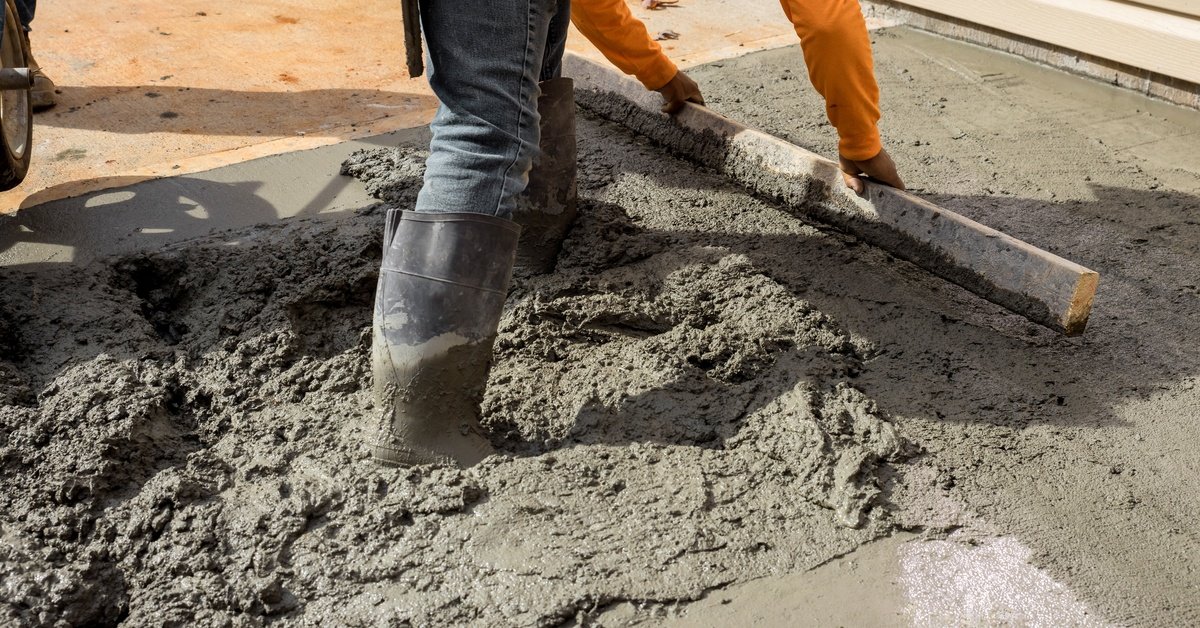
Driveway and Hardscape Installation
Driveway installation or replacement often requires significant excavation to achieve proper base preparation and drainage. Professional contractors understand how different materials require specific excavation depths and base preparations for long-term durability.
Concrete pad preparation for garages, sheds, or outdoor living spaces requires precise excavation to create level surfaces that drain properly. Inadequate preparation leads to cracking, settling, and premature concrete failure.
Walkway and patio installation may require professional excavation when projects involve significant grading changes or complex drainage considerations.
Emergency Excavation Situations
Storm damage cleanup involving fallen trees, flooding, erosion, and damaged underground utilities often requires professional excavation services.
Sinkhole remediation demands immediate professional attention. Excavation contractors can assess sinkhole causes and implement proper repair techniques to prevent further ground instability.
Utility line breaks frequently require emergency excavation to access damaged lines and restore service safely. Professional contractors can quickly locate and expose damaged utilities while coordinating with utility companies for repairs.
Site Preparation and Grading
Land clearing projects benefit from professional excavation when removing large trees, stumps, or significant amounts of vegetation. Contractors possess equipment capable of handling substantial clearing work efficiently.
Lot grading and leveling requires professional expertise to ensure proper drainage patterns and compliance with local grading ordinances. Improper grading can create water problems that affect foundations and neighboring properties.
Soil remediation becomes necessary when contaminated soil requires removal or when soil conditions need improvement for construction projects. Professional contractors understand proper soil handling and disposal procedures.
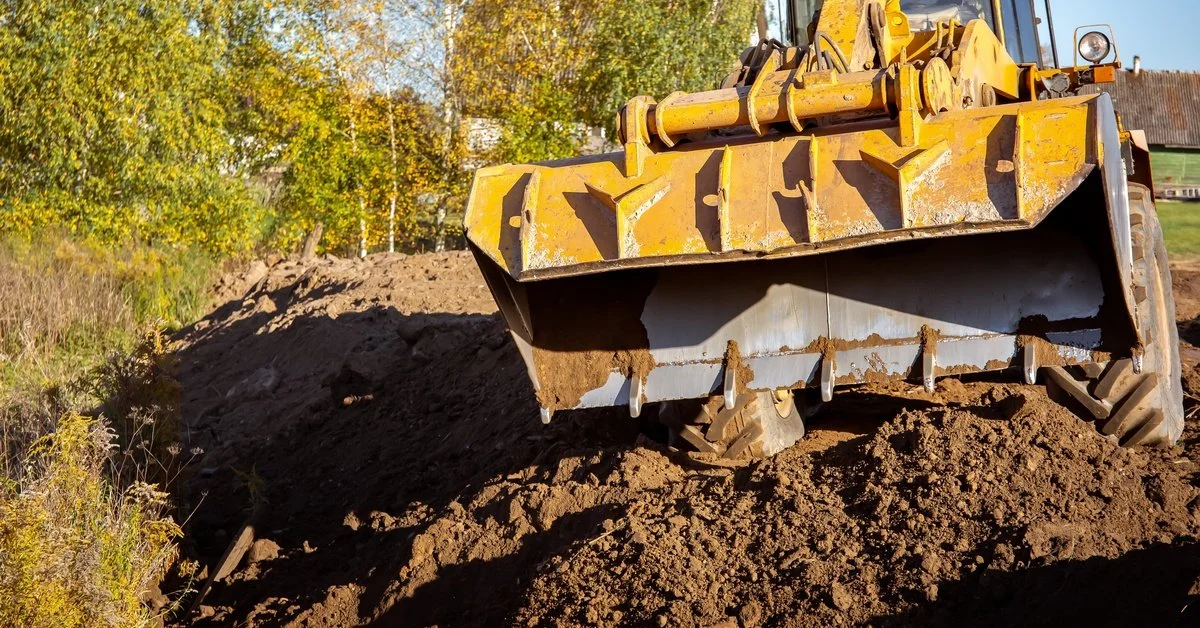
Complex Terrain and Access Issues
Steep slope projects require specialized equipment and expertise that professional excavation contractors provide. Working on hillsides or steep terrain presents safety challenges that require proper equipment and experience.
Limited access situations often demand professional attention when standard equipment cannot reach project areas. Contractors possess compact equipment designed for tight spaces and challenging access conditions.
Permit and Code Compliance Requirements
Building permit requirements frequently mandate professional excavation work for major projects. Many municipalities require licensed contractors for excavation work that affects structures or utility systems.
Environmental regulations may apply to excavation projects, particularly those near wetlands, waterways, or environmentally sensitive areas. Professional contractors understand these regulations and can ensure compliance. They also handle required permits, erosion control, and soil stabilization measures, minimizing environmental impact. By managing these complex requirements, professionals help protect natural resources while preventing costly fines or project delays.
Safety regulations require specific expertise and equipment that professional excavation contractors maintain. OSHA regulations governing excavation work protect workers and property owners from potential hazards.
Making the Right Choice for Your Project
Knowing when to call an excavation contractor for residential work ultimately protects your investment and ensures project success. Excavation professionals provide the expertise, equipment, and insurance coverage necessary for safe and compliant earth-moving projects. Whether planning new construction, installing utilities, or addressing emergency situations, professional contractors deliver results that meet or exceed industry standards while protecting your property and surrounding infrastructure.
Successful residential projects depend on proper excavation work performed by qualified professionals. Trust Corona Construction for reliable residential excavation services. Our experienced team ensures every job is completed safely, efficiently, and in full compliance with all applicable regulations and building codes.

How To Choose the Right Concrete Contractor for Your Project
Leave contracting guesswork behind. Learn how to choose the right concrete contractor for your project to ensure quality, reliability, and lasting results.

A well-executed concrete job enhances your home’s curb appeal and functionality. A poor one leads to cracks, uneven surfaces, and future headaches. The secret to securing the best job lies in selecting the right contractor. In this guide, you’ll find clear, practical steps to help you choose the right concrete contractor for your project.
Step 1: Define Your Project, and Identify Specialized Contractors
Before you search for contractors, you must first clarify your project’s scope and needs. Are you looking to install a standard broom-finished driveway, or do you desire a decorative stamped concrete patio that mimics natural stone? The materials, techniques, and skills required for each vary greatly.
Create a detailed list of what you want, including dimensions, desired finish, and any special considerations, such as drainage or reinforcement needs. Having a clear plan helps you find contractors with the right specialization and communicate your expectations effectively.
Look for Proven Experience in Similar Projects
When reviewing a contractor’s portfolio, look for projects that mirror your own. A contractor who primarily pours large commercial foundations may not possess the finesse required for detailed residential decorative work. An experienced residential contractor will proudly showcase their past work, demonstrating their capability to handle the textures, patterns, and finishes you desire.
Understand the Different Concrete Services
Familiarize yourself with the services that concrete construction contractors offer. Some professionals specialize in new installations, while others focus on repair and maintenance. For instance, if you have a sunken driveway, you need a contractor skilled in concrete leveling or lifting, often using polyurethane foam injection. If you have surface cracks, another contractor might specialize in sealing and resurfacing. Knowing these distinctions helps you hire a qualified professional who can manage every aspect of your project.

Step 2: Vet Potential Contractors Thoroughly
Once you have a list of potential contractors, your next step involves a deep dive into their qualifications and reputation. You must verify their credentials, check their standing within the community, and hear from previous customers.
A great contractor builds a track record of quality workmanship and positive client interactions. So, spending time on this verification process protects you from hiring someone who lacks professionalism or expertise. It also helps you gauge their reliability and commitment to customer satisfaction.
For starters, you must confirm the contractor’s licensing and insurance. A valid license shows they meet state or local requirements for professional practice. Furthermore, ask for proof of both general liability insurance and workers’ compensation coverage. General liability protects your property from damage, while workers’ compensation covers injuries to the crew on your property.
Examine Their Professional Presence
A contractor’s professional presence reflects their work ethic and organization. Review their website, social media profiles, and the marketing materials they provide. A professional website that showcases a detailed portfolio, provides clear contact information, and explains the company’s services suggests a well-run business.
Step 3: Get Detailed, Written Estimates
Choose the right concrete contractor for your project by narrowing your list to three qualified contractors and obtaining a detailed, written estimate from each. An estimate should offer a comprehensive breakdown of the entire project. Comparing detailed estimates helps you evaluate the cost, value, and thoroughness each contractor offers.
When you receive multiple quotes, resist the temptation to select the lowest bidder automatically. A suspiciously low price could indicate the use of subpar materials, inexperienced labor, or a desperate attempt to win the job. Instead, compare the specifics of each estimate side-by-side.
For instance, one contractor might include wire mesh or rebar reinforcement in their quote for a driveway, while another may omit it to cut costs. The contractor that includes reinforcement provides a more durable, long-lasting product, justifying a higher price. Think of it as prioritizing long-term value over short-term savings.
Step 4: Ask the Right Questions Before Signing
With detailed estimates in hand, you can have a final, clarifying conversation with your top candidates. This discussion allows you to address any remaining questions and gauge their communication skills one last time. Prepare a list of questions that cover project specifics, potential challenges, and their warranty policies. A professional contractor will welcome your questions and provide direct, honest answers.
Inquire About the Team and Timeline
Ask who will perform the work and oversee the project on-site. Knowing who your point of contact will be ensures clear communication throughout the project. You should also request a projected timeline, including a start date and an estimated completion date. While weather can cause delays in concrete work, an experienced contractor can provide a realistic schedule and explain their process for communicating any necessary adjustments.
Discuss Payment Schedules and Warranties
Clarify the payment schedule before signing any contract. A common practice is to put down a deposit upon signing, with subsequent payments tied to project achievements and a closing payment upon completion. Avoid contractors who request a large upfront payment before work begins, as this can be a red flag. Furthermore, ask detailed questions about their warranty. A reputable contractor will stand behind their work with a warranty that covers material and workmanship defects.

Step 5: Finalize With a Comprehensive Contract
The final step before work commences is to secure a formal, written contract. This legally binding document protects both you and the contractor by formalizing all the details you have discussed. It should incorporate everything, from the project scope and material specifications to the payment schedule and warranty information. Never proceed with a project based on a verbal agreement alone. The contract serves as the official reference point for the entire job.
Review Every Detail Before You Sign
Read the contract carefully to ensure it matches the written estimate and includes all the agreements you have made. For instance, verify that it lists the exact materials, dimensions, and finishes. The contract should also restate the project cost, payment terms, and the warranty details you discussed.
For instance, if the contractor agreed to use a 4,000 PSI concrete mix and include rebar reinforcement for your driveway, those specifications must appear in the contract. Do not sign until you feel comfortable with every term and condition outlined in the document.
Understand the Change Order Process
Even with careful planning, you might face unexpected issues or want to make a change during the project. Your contractor should add an explicit clause in the contract about handling change orders. You must document any changes to the scope, materials, or cost in writing, and both you and the contractor need to sign before starting the new work. For example, if you want to extend a patio by a few feet, the change order will spell out the extra cost and any adjustments to the schedule.
Overall, staying transparent and keeping detailed records with your contractor sets you up for a smooth project and results you’ll feel proud to call your own.

How Homeowners Can Help Keep Construction on Track
Small actions can influence projects. Learn how homeowners can help keep construction on track with clear communication, preparation, and timely decisions.

Construction projects can feel overwhelming, but you play a bigger role in their success than you might realize. When you work closely with your contractor, communicate effectively, and make informed decisions, you can keep your project moving smoothly and on schedule. If you want to know what these elements look like in real life, here’s how homeowners can help keep construction on track.
Set Clear Communication Guidelines Early
Decide upfront how the contractor will share updates, who your main point of contact is, and how often you’ll check in. Choose a method that works for both parties, whether it’s email, phone calls, or a project management app. For example, written updates suit those who prefer reviewing details on their own time, while phone calls work better for quick discussions.
Set a regular update schedule, such as weekly check-ins, to stay informed without constant follow-ups. Use these updates to review progress and address concerns. Additionally, establish emergency protocols for urgent decisions.
Create a Detailed Contract
A detailed contract outlines mutual responsibilities and sets clear expectations from the beginning. Omitting details or leaving terms open to interpretation can create confusion, slowing down the project. To ensure everyone stays on the same page, your contract should accomplish the following.
Break Down Milestones
Rather than focusing solely on the final completion date, divide the project into specific, measurable milestones. For example, you can outline deadlines for plumbing, foundation work, or painting. This approach makes progress easier to track and ensures accountability for both you and your contractor.
Milestones might look like this: pouring the foundation by week three, framing completed by week six, and electrical work wrapped up by week eight. With clear checkpoints, you’ll know exactly where your project stands at any point.
Have Clear Payment Terms
Outline a detailed payment schedule tied to project milestones, making it simple and transparent for both parties. For example, you may pay 25 percent when signing the contract, 25 percent after completing the framing, and the remaining 50 percent once the work passes inspection or reaches substantial completion.
Specify payment methods in your contract. Clearly state whether payments will occur via checks, bank transfers, or another agreed method. Define acceptable timelines for each payment, such as within three or five days of completing a milestone, to eliminate ambiguity.

Include Insurance and Liability Information
Confirm that your contractor carries proper insurance, such as general liability insurance, which covers property damage or accidental injuries on your property. For example, if a contractor damages a neighboring home’s fence while bringing in materials, general liability insurance covers the cost of repairs.
Similarly, request proof of workers’ compensation insurance to cover medical expenses or lost wages if a worker sustains an injury while working on your project. Additionally, assign liabilities for specific scenarios in the contract. For instance, clarify who covers additional costs if supply chain issues or subcontractor errors cause delays. Including these terms provides a clear plan for addressing unexpected challenges fairly.
Preapprove Material Selections
Materials are central to any construction project, and delays in finalizing decisions or sourcing certain items can cause significant disruptions. That said, choosing materials ahead of time can save you and your residential construction contractor a lot of unnecessary frustration down the line.
You can plan ahead and discuss options that may require more time. For instance, custom items typically require lead times of several weeks or months. An early decision allows your contractor to plan the project timeline around delivery dates, preventing stalled progress later. Skipping this step could mean waiting weeks for the materials to arrive, throwing the entire schedule off balance.
A useful strategy is to create a materials checklist during the planning phase of the project. Ensure your contractor reviews it with you and orders the necessary items well in advance. You might also set up a “buffer” timeline for certain materials to account for vendor delays so there’s no scrambling at the last minute.
Create a Backup List
Sometimes, supply chain issues or availability can derail even the most organized plans. To avoid stress, work with your contractor to establish a list of acceptable alternatives. Say you’ve selected a particular type of tile, but the supplier informs you it’s back-ordered. Instead of halting progress, your contractor can work with your backup choice material, allowing work to continue without interruption.
Prepare the Site in Advance
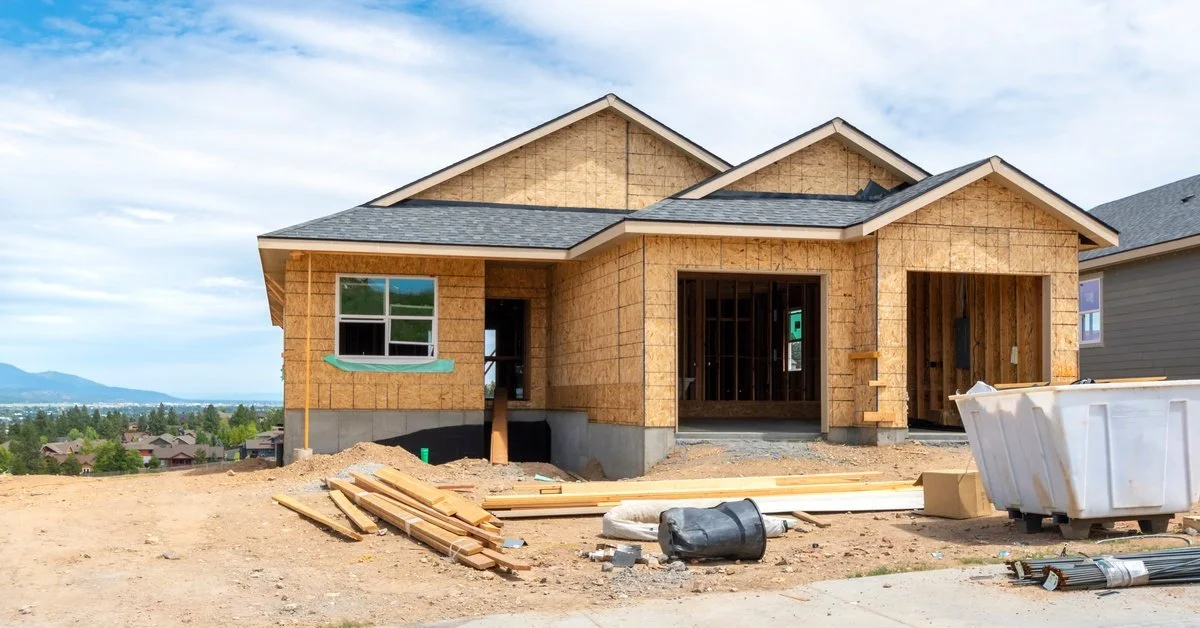
Preparing the site ahead of construction ensures the project starts on the right foot. Take time to remove anything that could obstruct movement or create safety hazards, as this helps maintain efficiency and keeps the work environment professional.
Beyond clearing the area, think about how contractors will interact with the space. Ensure they have straightforward access to the site and any necessary utilities. Addressing these details in advance streamlines workflow and demonstrates your commitment to a productive project.
Be Available for Decision-Making
Contractors rely on your input, especially when unexpected challenges arise or when they need your approval for a specific step. So, being available for decision-making is an important way homeowners can help keep construction on track. Timely responses on your part can prevent delays and maintain momentum for the project.
Set times when your contractor can reach you for quick decisions. For example, you might agree to be available for calls between one o’clock p.m. and four o’clock p.m. each day or to respond to emails within two hours during business hours. By providing a clear availability schedule, you ensure your contractor knows when to contact you rather than interrupting you at random.
If you plan to be unavailable for more than a day or two, appoint someone you trust to make decisions on your behalf. This person should understand your goals for the project and be willing to consult with the contractor as needed.
Stay Out of the Way When Needed
While it’s tempting to stay closely involved during construction, giving contractors the space they need allows them to focus and work effectively. Find a balance between oversight and trust to nurture better results and ensure a less stressful experience for everyone.
Trust the Process
Contractors bring professional expertise and a wealth of experience to the table. Trusting their judgment and giving them room to operate gives them the headspace to focus on the details of the project. You don’t need to stand on the site all day offering suggestions unless asked. Confidence in their abilities builds a positive working relationship and allows the project to move forward without interruptions.
Avoid Micromanaging
Excessive supervision may increase the likelihood of mistakes due to an overly tense environment. Instead, stick to planned updates or check-ins where broader progress reports can keep you informed. For example, rather than stopping work to question material choice, allow the team to follow the agreed-upon plan.