
The Role of Excavation and Grading in Development
Long-lasting property development starts with two essential processes. Learn about the role of excavation and grading in development with this guide.
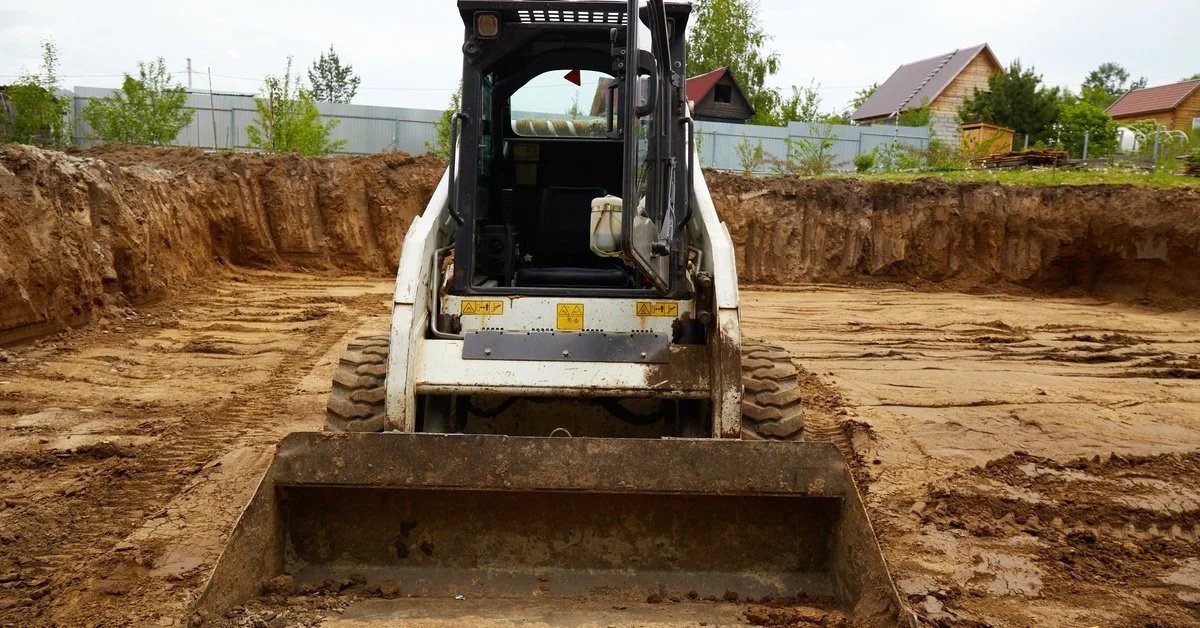
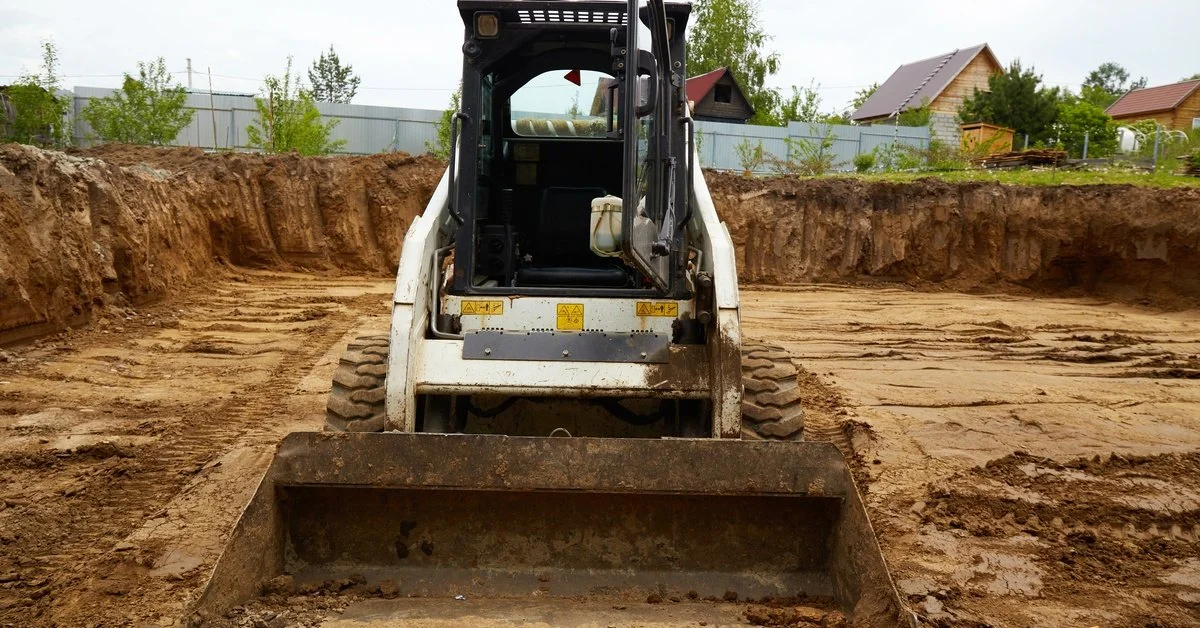
Excavation and grading are essential processes for property development, and they transform raw land into a solid foundation for what’s to come. Explore the role of excavation and grading in development, and discover how they influence project safety, functionality, and longevity.
What Is Excavation?
Excavation involves digging, removing, and relocating soil or rock to prepare a site for construction. Contractors use tools such as excavators, backhoes, and trenchers to perform tasks that range from clearing land to carving out spaces for foundations and underground utilities.
For example, a crew might excavate a large section of ground to lay the footing for an office building or create trenches for water and electrical lines. Excavation also helps uncover potential obstacles, such as tree roots, rocks, or environmental hazards, that developers must address before moving forward.
Importantly, excavation ensures that the site’s soil quality and composition can support the property’s structures. Professionals may reinforce excavation sites with retaining walls or shoring systems to prevent collapses during construction.
What Is Grading?
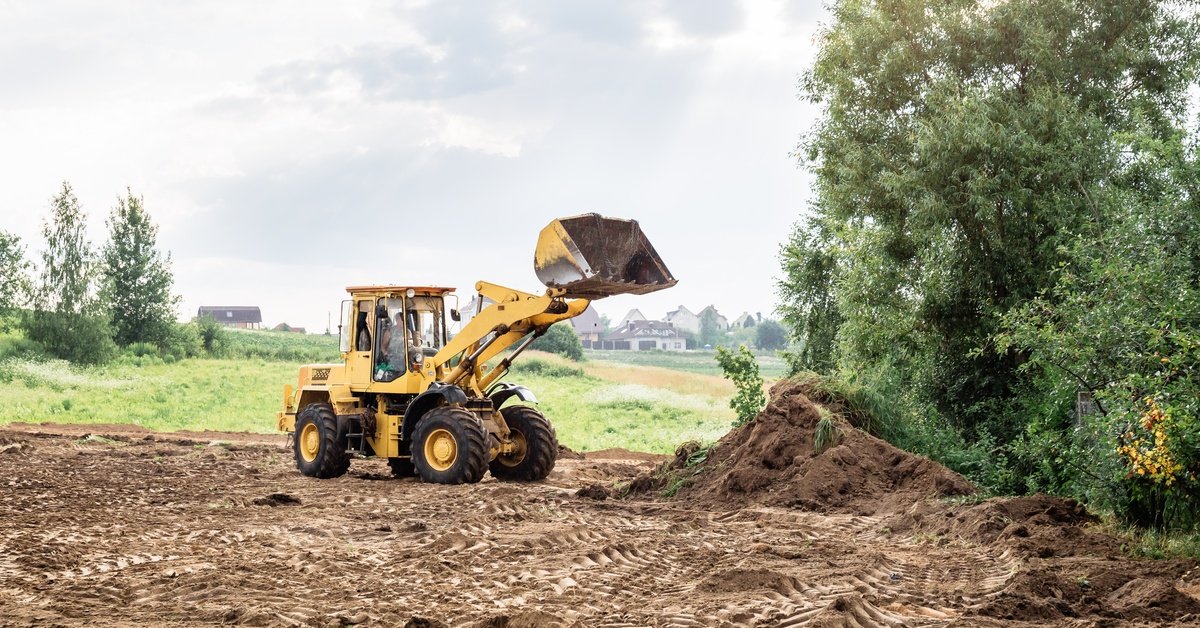
Grading involves shaping and leveling the surface of the land to prepare it for development. This process ensures that the ground remains stable and free of uneven terrain that could jeopardize the structural integrity of buildings and infrastructure.
Grading specialists use heavy equipment such as bulldozers and graders to create smooth, properly sloped surfaces that align with the project’s design. For instance, in residential developments, grading helps form level areas for lawns, driveways, and homes while creating slopes to manage water runoff. Beyond functionality, grading also contributes to the aesthetic layout of a property, ensuring that landscapes look clean and organized.
Laying the Groundwork for Stability
Laying the groundwork for stability is a major role of excavation and grading in development. Without a properly prepared site, no construction project can succeed. Both processes work to create a level, secure foundation capable of supporting structures.
Clearing the Land
The first step in almost any project involves clearing the site. This includes removing existing structures, vegetation, and debris that might interfere with construction. Using heavy machinery, contractors scrape the land clean, making way for excavation and grading that follow. Clearing also allows access to underground utilities or soil inspections, which are essential before construction begins.
Addressing Soil Conditions
Not all soil types provide the same level of support for structures. Sandy soil, for example, requires different treatment than clay or rocky ground. Excavation professionals assess soil quality and may bring in specialized equipment to remove or replace unsuitable soil. This ensures the land can safely bear the weight of structures and heavy machinery during construction.
Compacting the Site
Loose soil can shift or settle over time, leading to structural issues. After excavation, compaction ensures the ground is firm and uniform. By compressing the soil with rollers or vibrating machines, contractors eliminate voids that could cause buildings or roads to sink, crack, or shift later.
Enabling Proper Drainage and Water Management
Improper site drainage can result in serious issues with flooding, erosion, and foundation damage. However, excavation and grading shapes the landscape, ensuring that water flows safely away from structures. Specifically, grading creates subtle slopes and contours in the land to guide water to appropriate locations such as storm drains or retention basins.
Contractors may also carve channels and swales into the terrain to prevent water from pooling near buildings. For large developments, grading contractors may create retention ponds or basins. These features collect and control runoff, preventing downstream flooding.
Preparing the Site for Construction
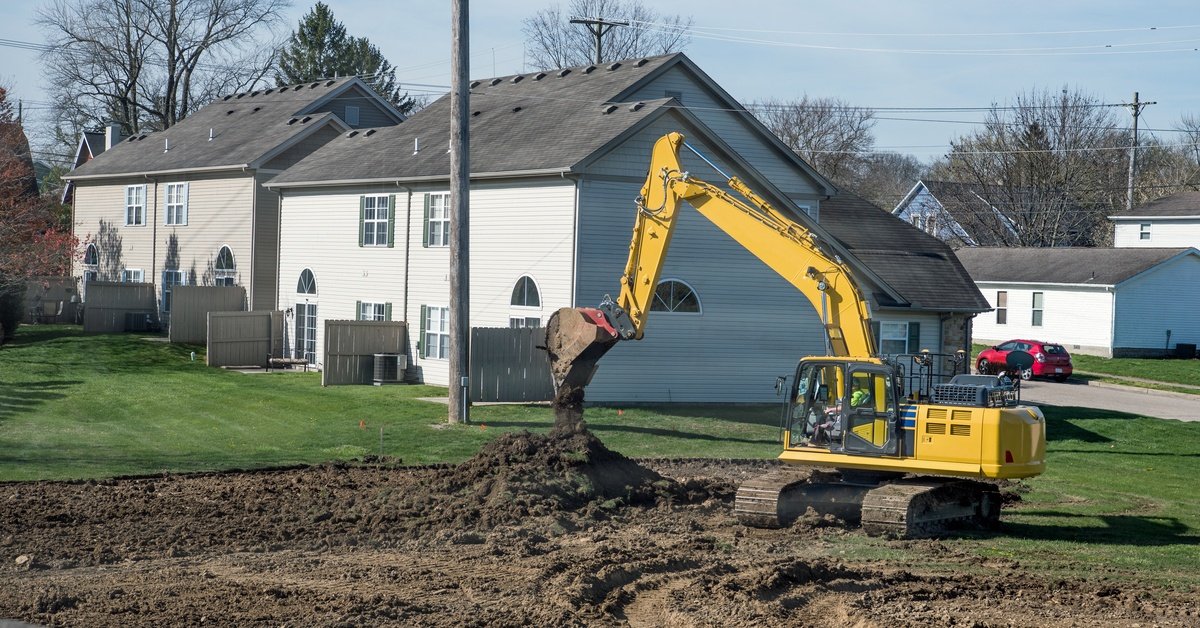
Excavation and grading work together to provide the foundation for vital infrastructure, including roads, utilities, and building pads. These steps create a safe and functional site that’s ready to handle the demands of development while accommodating the layout of the project.
For roads and parking areas, grading ensures surfaces are level and smooth, which improves safety for both vehicles and pedestrians. Contractors compact the ground and layer it with materials such as gravel or asphalt to make it durable over time. These measures are especially important for handling high-traffic zones in residential or commercial spaces.
Excavation and grading also prepare the land for essential utility systems such as water, electricity, and gas. Trenches carved during excavation allow contractors to bury and protect utility lines. Grading ensures that the land contours align with planned installations, which makes future access and maintenance easier.
Supporting Long-Term Usability and Safety
Improperly graded land often leads to settling, which occurs when soil compresses unevenly under a building or road. This issue causes cracks, instability, and structural failures that threaten safety and require expensive repairs. Grading professionals eliminate this risk by leveling and compacting the ground to evenly distribute weight.
Beyond structural stability, excavation and grading improve emergency access and ensure compliance with accessibility standards. For instance, crews design access roads, pathways, and entry points that meet safety regulations while providing clear routes for fire trucks and ambulances.
Grading also creates more inclusive spaces by adjusting slopes and walkways. Ramps built with proper slope ratios, for example, make it easier for wheelchair users to move independently. This results in properties that maintain their usability, meet legal requirements, and remain functional for all individuals.
Shaping Aesthetic and Environmental Features
Beyond laying functional groundwork, excavation and grading also help shape the aesthetics and environmental sustainability of properties. Grading experts collaborate with landscapers to achieve the desired layout for outdoor spaces, whether the end goal is rolling hills, terraced gardens, or flat parklands. These teams move earth strategically to create scenic areas that blend well with surrounding structures.
Many developers prioritize sustainability in modern projects. Grading solutions can include features such as rain gardens that collect and filter stormwater naturally or bioswales that support native plant growth while controlling runoff. These strategies balance ecological preservation with infrastructure needs.
Well-executed grading also enhances curb appeal. A well-designed entrance road, carefully planned slopes, and seamless water features create an inviting atmosphere, making properties more attractive to potential buyers or tenants.
At Corona Construction, we know that every successful project starts with properly prepared land. As excavation and grading contractors for residential properties, we give your place the strong foundation it needs. Whether you’re clearing ground for a new home or need precise grading for effective drainage, our team brings the expertise and care to get it done right.

Qualities To Look For in a General Construction Contractor
Don’t settle for less in your next home project. Explore the qualities to look for in a general construction contractor and vet your best candidate today!
Finding the right general contractor is one of the most critical steps when it’s time to tackle your construction project. After all, this is the person or team who will turn your plans into reality. But how do you know who to trust with such an important job? Today, let’s assess the qualities to look for in a general construction contractor.
Transparent Communication
A professional contractor communicates promptly, whether you’re asking for an initial estimate or following up on a mid-project concern. For example, calling with questions about material choices and receiving a response the same day indicates reliability.
On the other hand, slow responses may result in timeline delays. Contractors should also demonstrate clear expectations for communication. For instance, they might say, “I’ll provide daily updates on progress and materials,” ensuring you remain informed.
A well-prepared contractor also provides a detailed proposal that outlines all project aspects. Instead of generic phrases such as “labor costs” or “materials,” expect specifics. For example, the proposal might state, “Floor installation labor costs $4,500 and premium-grade oak planks cost $8.75 per square foot.”
Such transparency avoids conflicts later. A good proposal also includes detailed timelines. If a contractor says, “The demolition will last two weeks, followed by five weeks of installation,” you can align your expectations with their plans.
Clear Contract Terms
Contracts should outline key elements of the project, from payment schedules to warranties on materials. For instance, a contract might state, “20% due upon signing, 50% due at mid-completion, and the final 30% upon project completion.” A contractor should also willingly explain these terms, so you understand your responsibilities and rights. Once both parties sign, you’ll have a point of reference should questions arise during the project.
Contractors who prioritize transparent communication respect your time, budget, and trust. It also signals that they’ll manage your project with care and professionalism from start to finish.
Adaptability to Your Needs
Each construction project brings its own challenges and demands. Rather than working from a one-size-fits-all approach, good contractors focus on making your space uniquely yours while prioritizing functionality and long-term satisfaction.
Additionally, the working relationship between you and your contractor matters just as much as their technical abilities. A collaborative contractor respects your preferences. For instance, they’ll schedule regular check-ins to discuss their progress if you like frequent updates. If you prefer fewer details but want reassurance on milestones, they’ll adapt their communication accordingly.
This compatibility creates a smooth dynamic, turning the project into a partnership instead of a transaction.
Proven Experience and Expertise
Proven experience and expertise are two major qualities to look for in a general construction contractor. A contractor’s portfolio serves as visual evidence of their skill and reliability. High-quality portfolios display a range of work and highlight attention to detail. Besides photos, look for commentary or client feedback that showcases problem-solving and customer satisfaction.
You can also reach out to past clients and ask meaningful questions. For instance, “Did the contractor stay within the expected budget?” or “Were you satisfied with how they handled unexpected problems?” By listening to these accounts, you gain an idea of what collaborating with them might look like. A good contractor has glowing references that highlight punctuality, courtesy, and meticulous craftsmanship.

Strong Project Management Skills
Managing a construction project requires skillful coordination to ensure everything progresses smoothly. From organizing schedules to balancing budgets, contractors with strong project management skills keep your project on track.
Sticking to Timelines
As mentioned, a dependable contractor demonstrates transparent communication about project details, including timelines. For instance, they may outline a phased schedule, saying, “The framing will take two weeks, followed by electrical work in week three.” Contractors with this level of detail also prepare for potential disruptions, such as material delays, and proactively adjust schedules.
Budget Management
A skilled general construction contractor respects your budget while maintaining high-quality work. Instead of cutting corners, they seek solutions that prioritize value. They’ll provide clear cost breakdowns, so you know where your money goes, and they communicate immediately if unexpected expenses arise.
Be cautious of contractors promising unrealistically low estimates. A low price can lead to surprise charges or cheap materials that diminish the project’s durability.
Coordination of Subcontractors
Many construction projects involve specialists, and the general contractor acts as the project’s conductor. They coordinate with electricians, plumbers, and painters so their tasks align and avoid overlap. They’ll also vet subcontractors to confirm their qualifications align with your project’s requirements, delivering consistent, high-quality results.

Commitment to Safety Standards
Safety isn’t just about following the rules; it’s about ensuring everyone involved in your project, including your household, stays protected. A contractor who commits to strict safety standards demonstrates professionalism and a proactive mindset, both of which translate into higher-quality outcomes.
Contractors who understand and adhere to local building codes ensure structurally sound projects that pass inspections. For instance, a skilled contractor might point out that the open-concept layout you want requires additional beams to meet weight-bearing regulations. Their expertise safeguards your home’s integrity and investment, eliminating the risk of fines and unsafe structures.
Additionally, reliable contractors prioritize the well-being of their team through strict safety protocols. These protocols can include providing workers with protective gear such as goggles, gloves, and hard hats, and implementing clear rules for using tools and machinery.
Contractors who care about safety also think about how their work impacts you and your family. Whether it’s sealing off construction zones to prevent dust spread or storing sharp tools securely at the end of each day, these precautions protect your household from harm.
Clear Warranty and Follow-Up Practices
Quality contractors believe their responsibility doesn’t end once the final nail is in place. They stand by their work, offering warranties and ongoing support to ensure you remain satisfied long after the project’s completion.
For example, a contractor might offer a one-year warranty to cover any issues resulting from improper installations. A longer warranty period often signals higher confidence in their work. Be sure to ask what it includes, whether it’s repairs, replacements, or maintenance.
Furthermore, top-tier contractors maintain communication well after the project wraps up, checking in to confirm your satisfaction. A quick follow-up, such as “How’s the new roof holding up?” or “Have you noticed any issues since we completed the project?” speaks volumes about their dedication to ensuring you’re happy. This kind of client care reflects their desire to build lasting relationships, not just complete one-off jobs.
Handling Disputes
No project is immune to potential disputes or concerns, but how a contractor resolves these issues speaks to their professionalism. Their willingness to handle disputes calmly, promptly, and respectfully reinstates your confidence and prevents minor problems from escalating. Contractors who focus on resolution rather than excuses stand out as dependable partners in your project.

Signs It’s Time To Replace Your Home’s Concrete Flatwork
Your concrete flatwork might be sending signals you shouldn’t ignore. Here are the top signs it’s time to replace your home’s concrete flatwork.
Concrete flatwork, such as driveways, patios, and sidewalks, might not always be the first thing on your mind. However, neglecting its condition can lead to safety hazards, property damage, and decreased curb appeal. Recognizing when you need material replacement can save you headaches and more significant costs down the road. So, let’s discuss the signs it’s time to replace your home’s concrete flatwork so you can keep your property in top shape.
What Is Concrete Flatwork?
Concrete flatwork refers to poured surfaces such as driveways, sidewalks, patios, and garage floors that lie along a horizontal plane. Builders use a mix of cement, aggregate, and water to create smooth, level surfaces that handle weight, weather, and daily use. Proper reinforcement and finishing ensure durability and a polished appearance. Over time, though, exposure to the elements, poor installation, or aging can cause damage.
Large or Widening Cracks
Over time, normal shrinking causes minor cracks, but large or widening cracks are among the clearest signs it’s time to replace your home’s concrete flatwork. Shifting soil, heavy loads, or sloppy installation often create these issues. Unfortunately, these cracks weaken the flatwork’s structure and allow more damage to develop.
For instance, rainwater can flow into a cracked driveway and seep below, washing away the soil that supports the slab. Freezing temperatures worsen the issue as trapped water expands, pushing cracks wider. In this case, you should address the root cause with a replacement and a properly supported slab instead of repeatedly patching the surface.
Remember, large cracks pose safety risks by catching shoes, wheels, or tools, leading to injuries or damage. You eliminate these hazards and restore a durable and smooth surface when you replace the flatwork!
Uneven or Sunken Surfaces
Concrete relies on compacted ground for support, but when that base shifts, compresses, or erodes, the slab sinks or tilts. Driveways, patios, and walkways often show these problems due to drainage issues or weight-bearing stress.
Low spots on a patio allow water to collect in puddles after every rainfall, damaging surrounding landscaping and encouraging erosion. Tripping hazards develop as surfaces become uneven and potentially unsafe for those walking or driving over them. These spots also subject outdoor equipment, such as bikes or tools, to extra wear and tear as they jostle over uneven ground.
Lifting methods, such as mud jacking, temporarily raise sinking slabs, but they rarely solve the underlying issue. A full replacement removes unstable soil, rebuilds the foundation, and ensures proper leveling.
Pooling Water or Drainage Problems
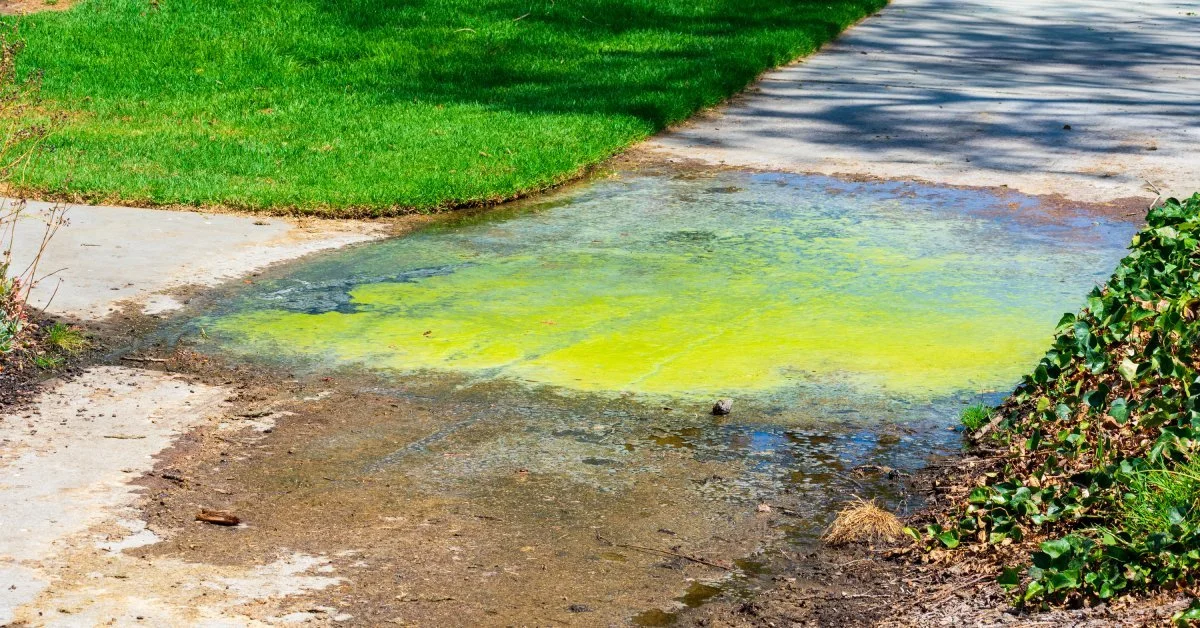
Water that collects or flows incorrectly on your concrete flatwork signals deeper issues with its structure. Properly installed concrete directs water away, protecting adjacent areas from damage. When this doesn’t happen, you face your flatwork, home, and landscaping risks.
Common Causes of Poor Drainage on Concrete
Poor installations typically result in slabs that lack adequate slope. Without enough incline to guide water to a safe drainage point, puddles form in depressions or flow toward structures. Similarly, soil erosion beneath the slab can shift its alignment over time, further disrupting drainage. Without help, these problems only worsen with repeated water exposure and seasonal freeze-thaw cycles.
Why Poor Drainage Spells Trouble
Uncontrolled water deteriorates both the soil and the concrete itself. Pooled water seeps into cracks, eroding the foundation or adjacent ground. Over time, this leaves weak points that are more vulnerable to weight or weather stress. Water pooling near your home’s foundation presents an even bigger risk, potentially causing leaks or foundational instability.
Replacement Is the Best Remedy
Replacing problem sections with properly graded flatwork resolves drainage issues at their source. Freshly installed concrete ensures the correct slope, guiding water safely away from your home and lawn. Professionals can also incorporate drainage channels or systems during installation, providing additional protection.
Edge Deterioration
Driveway edges endure constant wear from vehicles driving too close to the sides. Without reinforcement, these areas are vulnerable to breaking down under heavy loads or repeated stress. Beyond breaking down, crumbling edges make your property look unkempt and create safety risks, as pieces might loosen and spread across the lawn or driveway. Pouring fresh concrete with reinforced edges, such as curbing, can remedy the situation while creating a clean and polished look.
Tips for Preventing Edge Damage
After replacing your driveway’s concrete flatwork, follow these tips to prevent future damage:
Avoid driving heavy vehicles too close to the driveway edges.
Ensure proper drainage to prevent water accumulation.
Apply a high-quality driveway sealant to protect against the elements.
Add edging materials such as concrete curbs or pavers for extra support.

Discoloration That Won’t Go Away
Concrete shifts in color naturally as it ages, but persistent stains or deep discoloration reveal more serious concerns. These problems may point to moisture issues, underlying damage, or exposure to harmful chemicals. For example, dark streaks might appear under downspouts where water constantly flows, or rust-colored stains could develop if metal structures near the flatwork corrode and leach iron onto the surface.
You might spot these stains on garage floors where oil spills leave blotches that never seem to fully disappear, despite using heavy-duty cleaning products. Similarly, areas near flowerbeds may display discoloration from fertilizers or soil runoff. Even decorative concrete can lose its intended look when repeated exposure to materials such as deicing salts causes white residue (efflorescence) to form.
Power washing and surface treatments help clean some stains, but deeply embedded discoloration requires more than topical fixes. Moisture that seeps into concrete brings minerals to the surface, creating permanent blemishes. Situations like these show it’s time to replace the flatwork.
New installation resolves blemishes while allowing you to take preventive measures, such as applying moisture barriers, sealants, or finishes designed to resist chemical staining.
Spalling or Flaking
Spalling occurs when the concrete surface flakes, chips, or peels away because water penetrates the top layer and freezes. Over time, this repeated freeze-thaw process weakens the slab’s integrity, leaving it rough and uneven.
You might see spalling on sidewalks exposed to road salt in winter or on outdoor stairways. Though it may seem minor, spalling accelerates flatwork deterioration. New installations using additives or sealers designed to prevent moisture absorption offer better long-term performance. Additionally, regular maintenance, such as sealing and patching damaged areas, can prolong the life of concrete surfaces.
Fix Your Flatwork
If you are experiencing concrete flatwork issues, it is important to address the problem as soon as possible. After all, you don’t want to see further damage and more costly repairs in the future. At Corona Construction, our team of concrete flatwork contractors has the expertise to identify and fix any issues you may be facing.
Our team uses high-quality materials and proper installation techniques to ensure a long-lasting and visually appealing finished product. Don’t let damaged concrete affect the value and appearance of your home. Contact us today for professional help with your flatwork needs!